

Sam.B
No Comments
Is It Safe to Visit Rwanda’s Mountain Gorillas? Understanding Habituation and Why Your Presence Is Welcome
Visiting Rwanda’s mountain gorillas is a once-in-a-lifetime experience that attracts wildlife enthusiasts from all over the world. However, many potential visitors wonder about their safety during such a close encounter with these majestic creatures. In this blog, we’ll explore the concept of habituation and how it makes gorilla trekking safe and welcoming for both humans and gorillas.
Understanding the Basics: What Is Gorilla Habituation?
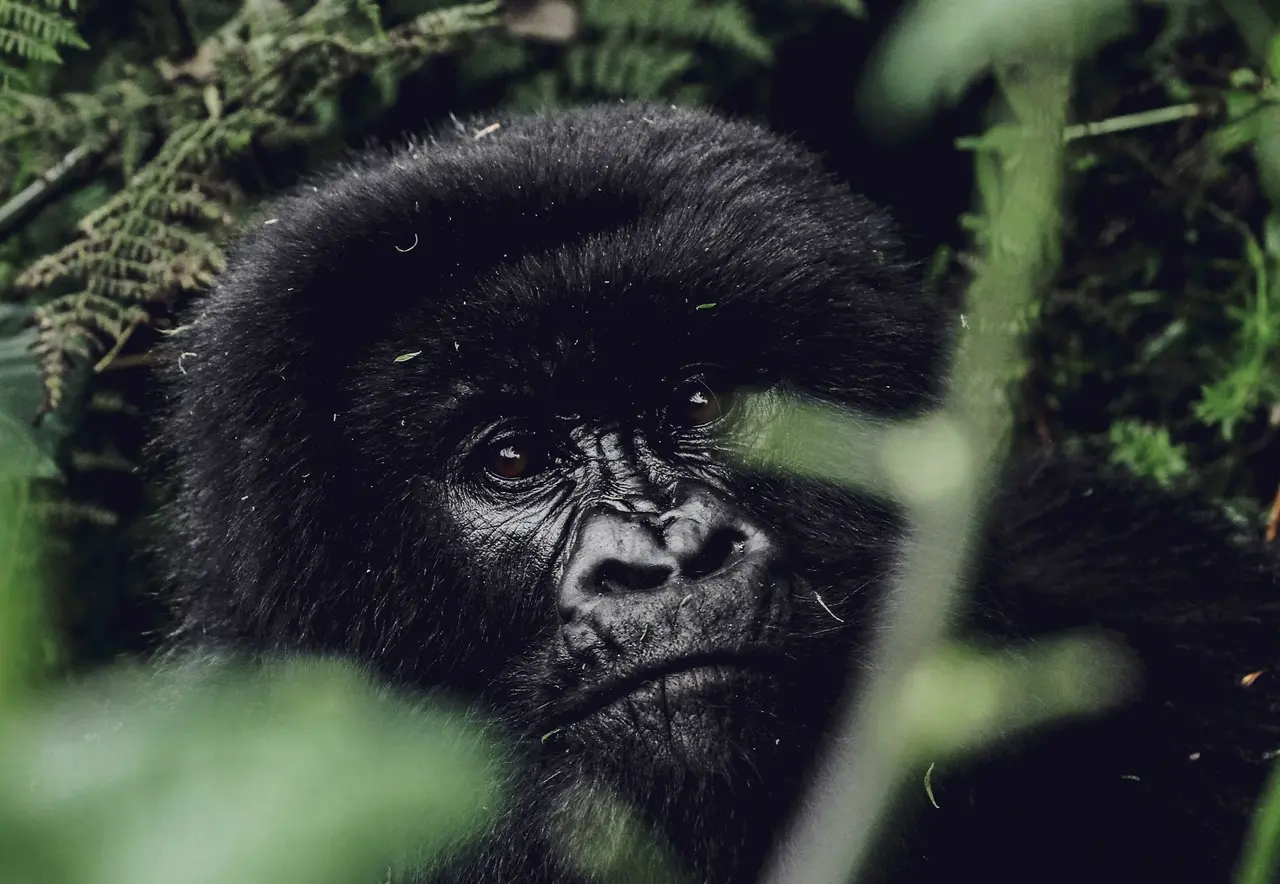
Gorilla habituation is a fascinating process that allows these magnificent creatures to coexist peacefully with humans. Imagine it as a journey of trust-building, where wild gorillas are gently and gradually made familiar with non-threatening human interactions. This process is nuanced and patient, emphasizing the importance of non-intrusion and respect. Initially, a small team of researchers and conservationists approach the gorillas at a safe distance, observing their reactions and behaviors. Over time, this distance is carefully reduced under the gorillas’ terms, ensuring they never feel threatened or stressed.
This approach of habituation was pioneered by the lauded primatologist Dr. Dian Fossey in the 1960s, with a clear vision that continues to guide conservation efforts today. According to the Dian Fossey Gorilla Fund – Habituation Practices, the aim is to create an environment where the presence of humans is as ordinary to the gorillas as the rustling of bamboo in the wind. This method allows visitors to experience encounters that are both intimate and non-disruptive, promoting a deeper understanding and appreciation of these gentle giants.
The Role of Conservation Efforts
Rwanda’s conservation efforts are a remarkable example of how well-managed tourism can coincide with the preservation of natural habitats. The financial aspects of gorilla trekking directly support extensive conservation programs. Nearly 10% of gorilla permit fees are reinvested into the local communities and conservation projects, which is detailed in the Rwanda Revenue Sharing Policy Overview. This reinvestment strategy is pivotal in enhancing the livelihoods of local populations, ensuring they have a vested interest in the well-being of the gorillas.
This inclusive model of conservation means that every visitor contributes to the overarching goal of sustainability and protection of these endangered species. This community-centered approach not only funds conservation but also fosters a culture of pride and commitment towards gorilla protection among local communities. The result is a thriving ecosystem where gorillas, humans, and the environment coexist symbiotically. As reported by the International Gorilla Conservation Programme, the impressive increase in gorilla numbers in recent years is a testament to these successful initiatives.
Gorilla Behavior: Why Habituated Gorillas Are Not Dangerous
Addressing the question, ‘Are gorillas dangerous?’ requires understanding their innate nature and the effects of habituation. Generally, gorillas are gentle creatures with strong familial bonds. Through the habituation process, their natural curiosities are not quelled but rather adapted to anticipate and accept human visitors. This is particularly evident when observing habituated families, where calmness prevails even with close human proximity, a concept thoroughly examined by Gorilla Doctors – Gorilla Health & Safety.
Rangers and guides play a crucial role in maintaining this tranquil environment. They are experts not just in wildlife tracking but in understanding gorilla behavior, ensuring that visits are conducted in a manner that minimizes disturbance. The structured encounters guaranteed by small groups and controlled interactions mean that any sign of stress in a gorilla family is meticulously managed, immediately concluding the visit if necessary. This level of oversight ensures that interactions are not only peaceful but enriching for both species.
What to Expect on Your Gorilla Trek
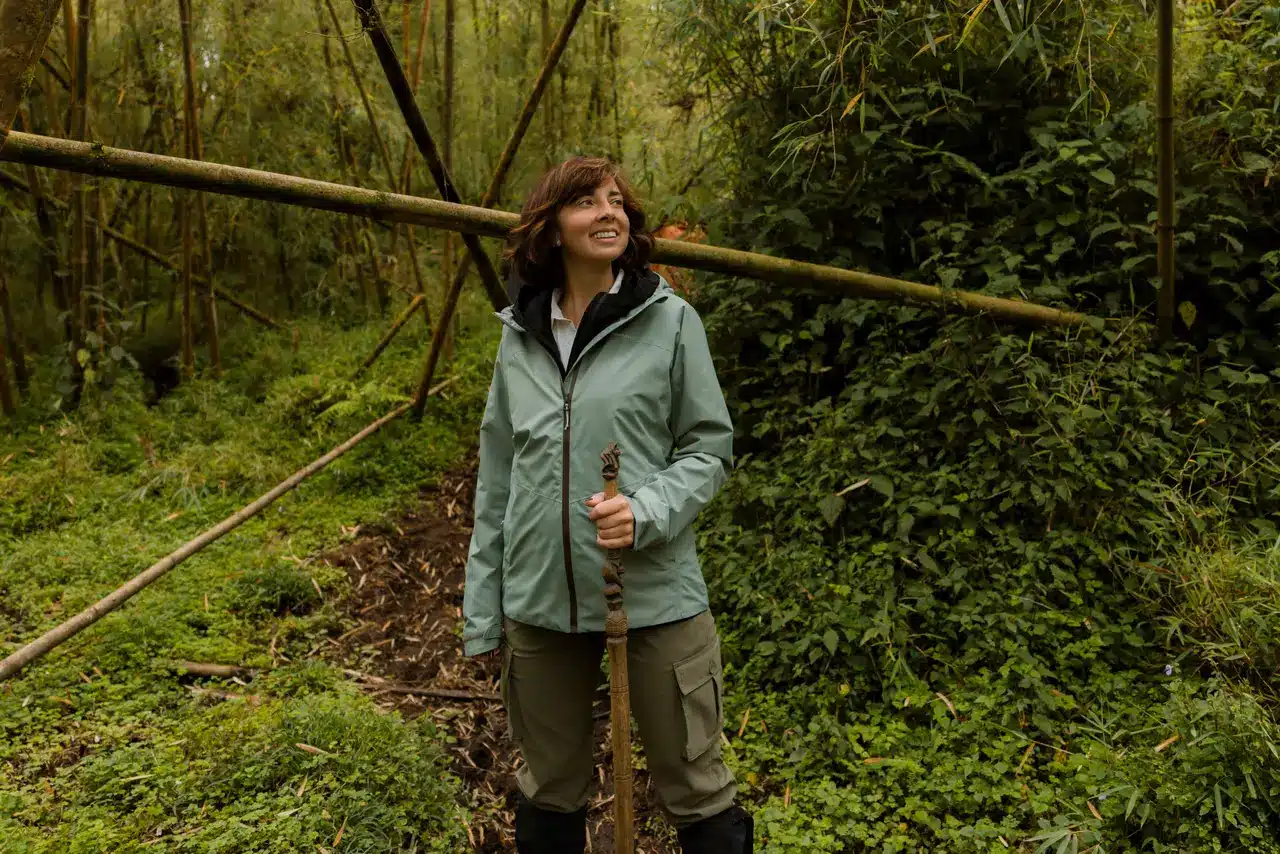
Preparing for a gorilla trek involves more than just physical readiness; it’s about aligning your expectations with the experience. Trekkers embark early in the morning, venturing into the lush and dense forests under the leadership of seasoned guides. The experience is akin to a peaceful pilgrimage, moving at a steady pace as you immerse yourself in the vibrant echoes of the Rwandan wilderness. The Rwanda Development Board’s website offers detailed insights into what prospective trekkers need to know.
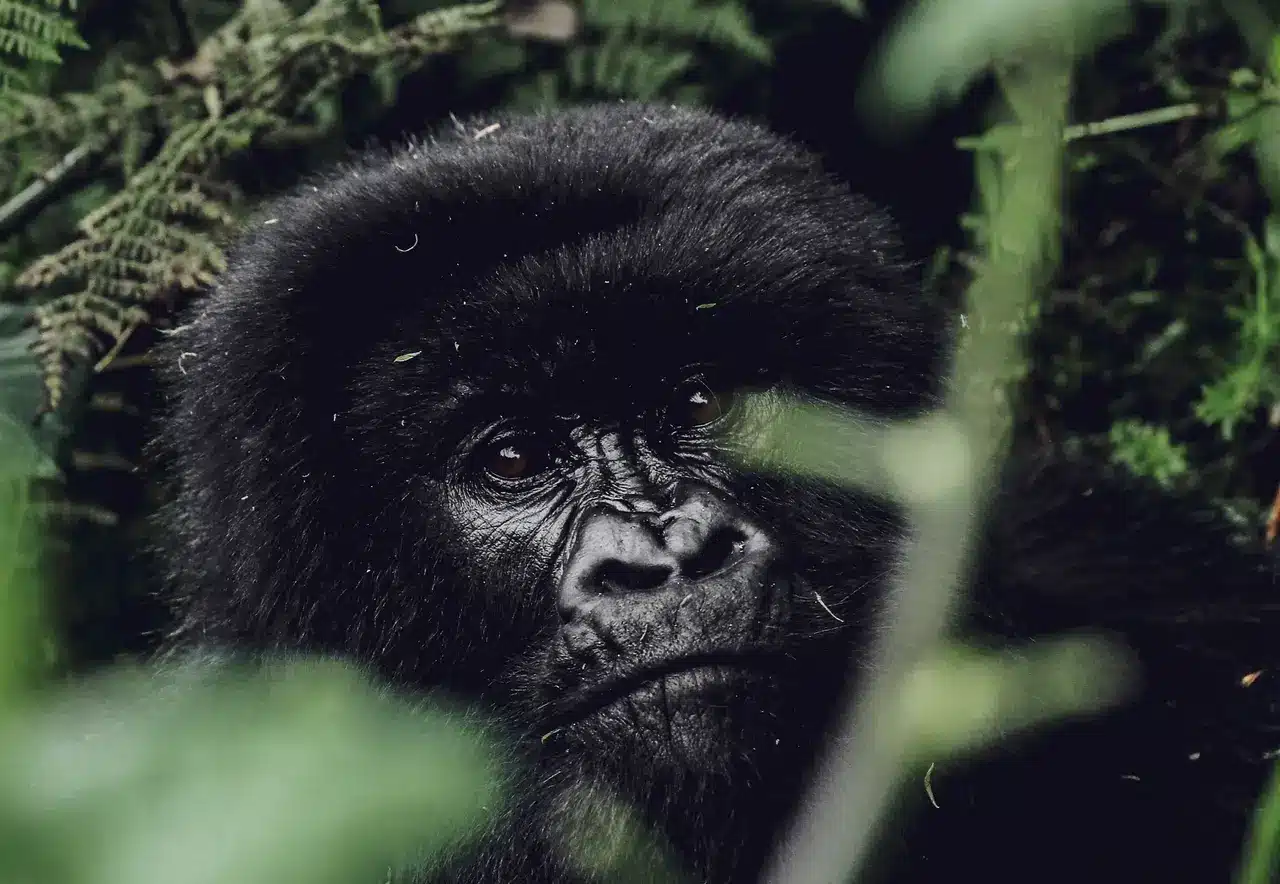
Once you reach the gorilla family, a profound sense of awe blankets the group. Observing a silverback regarding you with steady eyes, or watching young gorillas play under the protective gaze of their mothers, provides a humbling reminder of our shared place in the natural world. Visitors are encouraged to carry essential items like waterproof clothing and sturdy boots due to the unpredictable nature of mountain weather. Most importantly, a camera with a good zoom lens can capture these precious, magical moments forever.
Being well-informed and prepared enriches your journey, transforming it into an unparalleled experience filled with learning and engagement. Embracing the unexpectedly calm demeanor of the gorillas against the symphony of the jungle creates memories that last a lifetime. This trek isn’t just about witnessing wild animals; it’s about bearing witness to a beautiful effort of conservation, directly tied into the legacy of communities and experts working tirelessly to preserve the harmony of these ancient forests.
Your Visit: A Safe and Meaningful Adventure
In conclusion, visiting Rwanda’s mountain gorillas offers a unique opportunity to connect with nature in one of its most breathtaking forms. Thanks to the careful habituation process, not only is your visit safe, but it’s also an integral part of gorilla conservation efforts. Embrace this rare chance, knowing that your presence is both welcomed and essential. Plan your adventure today by visiting our homepage, and start your unforgettable journey.

More to explorer
-

Why Sambora Is the Best Choice for Honeymooners
Plan an unforgettable mountain gorillas honeymoon in Sambora with this guide to romantic lodges, trekking experiences, and why couples choose this destination for their post-wedding adventure.
-

Quiet Luxury & Inner Journeys (Less “Travel”, More “Being”)
Discover Rwanda’s serene luxury and embark on a transformative inner journey amidst breathtaking nature. Explore a bucketlist destination for wellbeing and mindfulness.
-

Nature as Relationship, Not Attraction
Explore the deep connection between gorillas, forests, and landscapes in Rwanda. Learn about the intricate relationships that shape these incredible ecosystems.
-

Wellness at Sambora: Spa, Relaxation & Post-Trek Recovery
Journey into the misty forests of Volcanoes National Park, then return to a place of calm, comfort, and restoration. After the powerful experience of encountering mountain gorillas in their natural habitat, Sambora invites you to slow down—allowing body and mind to recover through warmth, stillness, and thoughtful wellness, so the journey lingers long after you…



Leave a Reply