
Author: admin

  • Quiet Luxury & Inner Journeys (Less “Travel”, More “Being”)

    Quiet Luxury & Inner Journeys (Less “Travel”, More “Being”)

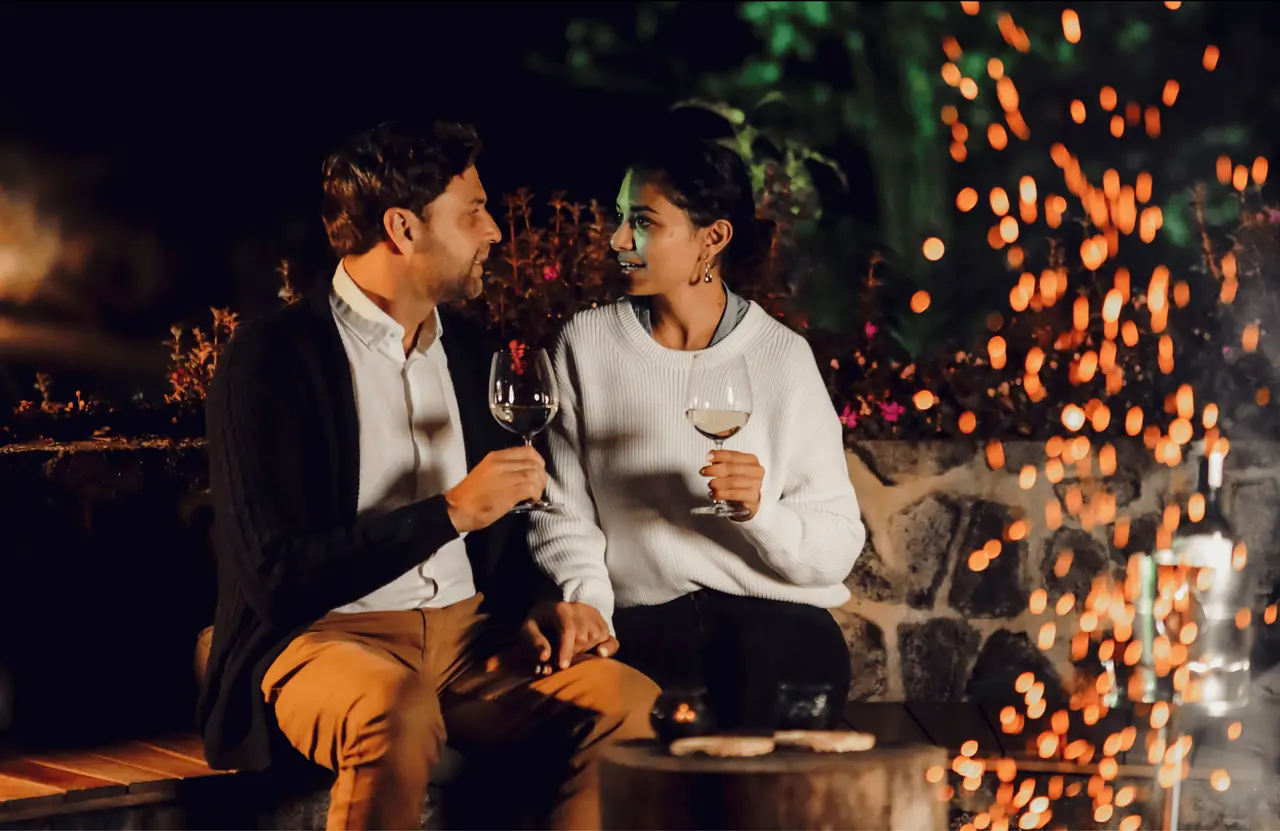
    In today’s fast-paced world, there’s a growing desire to redefine luxury not as an abundance of things, but as a state of being. ‘Quiet luxury’ revolves around embracing the simplicity and tranquility of one’s surroundings and connecting deeply with oneself. This shift from external travel to inner journeys opens a unique path to personal well-being.

    Redefining Luxury: From Material to Mindful

    Luxury has traditionally been associated with wealth and opulence. However, there’s a burgeoning trend towards valuing experiences that enrich the soul rather than just the senses. This section explores how quiet luxury signifies a shift towards mindfulness and presence. This shift can be understood not just as a reaction to consumerism but as an awakening to more sustainable and meaningful ways of living. In an age where distractions are abundant, quiet luxury encourages us to prioritize our well-being and mental health over accumulating material riches. Such an approach invites us to appreciate subtlety and minimalism, discovering joy in the purity of life’s simple moments.

    In our fast-evolving world, the concept of well-being has become central to luxury. People are seeking out destinations and experiences that offer a reprieve from the hustle and bustle of daily life, a break from constant connectivity, and a chance to reconnect with their inner selves. Luxury travel now includes destinations that facilitate personal growth and mindfulness, offering a sanctuary for reflection and the luxuries of time and space.

    Such mindful shifts in luxury can be seen in various trends worldwide. Individuals now prefer serene retreats over flashy resorts. More travelers are opting for experiences that foster reflection and relaxation. By choosing to embrace new definitions of luxury, we engage in experiences that promote tranquility and personal awareness.

    Discovering Peace in Nature’s Elegance

    Nature offers a unique form of luxury through its stillness and beauty. This section delves into how natural environments, like Rwanda’s lush landscapes, provide the perfect setting for reflection and rejuvenation, allowing us to reconnect with what truly matters. When enveloped by such natural elegance, the constant noise of urban life dissipates, and one is left with the gentle symphony of nature. The rustling leaves, flowing streams, and serene panoramas become our companions in the quest for peace.

    A few days immersed in nature can dramatically shift one’s perspective, reflecting the intrinsic value of peaceful environments. Engaging in activities like forest bathing or simply walking through nature trails in the Virunga foothills facilitates a connection with the earth. This connection provides a profound sense of grounding and clarity. The simplicity of nature serves as a backdrop for significant inner transformations, proving that luxury lies in experiences that foster serenity and self-awareness.

    Moreover, this section explores how many places, especially nature-rich environments, inherently possess a calming presence. They don’t demand entertainment; instead, they hold you, providing a platform for unwinding and accepting simple joys. In areas like Virunga, the unhurried pace of life encourages us to slow down and savor each moment without the typical rush.

    Inner Journey: The New Bucket List

    While many bucket lists focus on destinations and accomplishments, the modern traveler is turning inward. This section discusses how prioritizing personal growth, such as mindfulness practices and self-discovery, is becoming the new hallmark of a fulfilled life. Inviting more purpose into your travels or giving yourself the gift of time to explore your thoughts can be as enriching as visiting an iconic landmark.

    In our ever-connected world, taking an inner journey can be more of a luxury than crossing physical borders. In this era of quick shares and faster travel, finding time to retreat within oneself is precious. Travelers are increasingly recognizing self-reflection as an essential tool for holistic growth. These inner voyages reshape our definition of a bucket list, encouraging experiences that enhance emotional understanding and personal insight.

    The Role of Rwanda: A Haven for Luxury and Well-being

    Rwanda is emerging as a destination for those seeking both luxury and well-being. With its serene landscapes and commitment to sustainable tourism, Rwanda offers travelers the opportunity to experience both the outer and inner journeys seamlessly. Choosing Rwanda not only reflects a desire for tranquility but also a conscious choice towards responsible and fulfilling travel.

    In the heart of Rwanda, places like Sambora Kinigi exemplify this quiet luxury. Nestled in nature, these retreats are more than just accommodations. They serve as gateways to self-discovery and tranquility, a place where the true essence of an African escape can be experienced. They offer more than physical rest; they provide the space to reflect and rejuvenate spiritually.

    As Rwanda remains a beacon for those on a quest for luxe rejuvenation, the emphasis on sustainable practices ensures that its natural beauty is preserved for future generations. Here, luxury is not only comfort and service but also honoring the land and its culture. It’s about walking a path that respects the local environment and enriches the global community.

    Embracing Inner Journeys: A New Era of Quiet Luxury

    Embracing quiet luxury isn’t just about changing how we travel; it’s about transforming our approach to life. By valuing simplicity, connection with nature, and inner peace, we cultivate a sense of well-being that enriches our lives far beyond any destination. As we journey inward, we discover that the true luxury lies within.

  • Nature as Relationship, Not Attraction

    Nature as Relationship, Not Attraction

    In today’s fast-paced world, our connection with nature can often feel distant and transactional. However, nature is not just a fleeting attraction; it’s a deep, meaningful relationship that we share with the world around us. This blog explores the significance of viewing nature as a relationship, focusing on the majestic landscapes of Rwanda, the mesmerizing gorillas, and the lush forests they call home.

    Rwanda’s Breathtaking Landscapes

    Rwanda is home to some of the most stunning landscapes in the world. From the rolling hills to the expansive vistas, each vista invites us to engage and explore. These natural wonders are not just beautiful sights; they are living, breathing entities that offer us a chance to connect deeply with our surroundings.

    The country’s landscape is a mosaic of vibrant colors and textures, often described as the ‘Land of a Thousand Hills,’ this nation boasts unique geographical features that captivate both locals and tourists alike. From the striking peaks of the Virunga Mountains to the calming waters of Lake Kivu, Rwanda’s natural beauty is a testament to the power of nature.

    The Majestic Gorillas of Rwanda

    In the heart of Rwanda’s forests live the magnificent gorillas, creatures that symbolize strength, family, and connection. Observing gorillas in their natural habitat teaches us about the importance of family bonds and cooperation, encouraging us to reflect on our role within the greater natural world.

    Gorillas possess a gentle yet commanding presence that reminds us of our shared lineage and our responsibilities towards maintaining biodiversity. These critically endangered primates thrive in the verdant rainforests, moving gracefully and expressing an innate understanding of their environment that speaks volumes about balance and harmony.

    Forests as Vital Ecosystems

    Forests in Rwanda and elsewhere serve as the lungs of our planet, supporting diverse life forms. They are more than just resources; they represent a complex web of life, providing habitats for countless species and sustaining ecological balance. Understanding forests as vital ecosystems helps us appreciate their significance beyond material value.

    The tropical rainforests of Rwanda are exquisite tapestries teeming with life. They are home to a remarkable variety of flora and fauna, each interdependent and crucial for the ecosystem’s health. In these lush canopies, nature orchestrates a symphony of survival and resilience, underscoring the importance of conservation to ensure these treasures endure.

    Building Lasting Relationships with Nature

    To truly relate to nature, we must go beyond mere admiration and take actionable steps to protect and sustain it. This involves advocating for conservation, learning from indigenous practices, and fostering respect for the intricate relationships present in nature. By doing so, we not only safeguard these treasures for future generations but also enrich our lives with the wisdom nature offers.

    Understanding and integrating traditional knowledge can be vital in contemporary conservation efforts. Indigenous practices, which often embody sustainable living approaches passed down through generations, offer timeless insights into harmonious coexistence with our environment. By embracing such wisdom, we can spearhead initiatives that honor both the land and its original stewards.

    Embracing a Deeper Connection with Nature

    Embracing nature as a relationship rather than a mere attraction allows us to form a deeper bond with the world around us. By appreciating the delicate ecosystems in places like Rwanda and understanding the crucial roles they play, we can foster a connection that is sustainable and fulfilling. Let’s cherish the landscapes, forests, and wildlife, recognizing them as integral parts of our collective existence.

  • Wellness at Sambora: Spa, Relaxation & Post-Trek Recovery

    Wellness at Sambora: Spa, Relaxation & Post-Trek Recovery

    Gorilla trekking in Volcanoes National Park is one of the world’s most powerful wildlife experiences. It is also physically demanding, emotionally immersive, and often intense in ways that linger long after you leave the forest. At Sambora, wellness is not treated as a separate activity, but as an essential continuation of the journey—an invitation to rest, recover, and gently rebalance.

    Set against the cool air and quiet beauty of Rwanda’s northern highlands, Sambora offers a natural sense of calm the moment you return from the mountains. Boots are set aside, a fire is lit, and the pace of the day softens. This transition—from effort to ease—is where the Sambora wellness experience begins.

    A Thoughtful Approach to Post-Trek Recovery

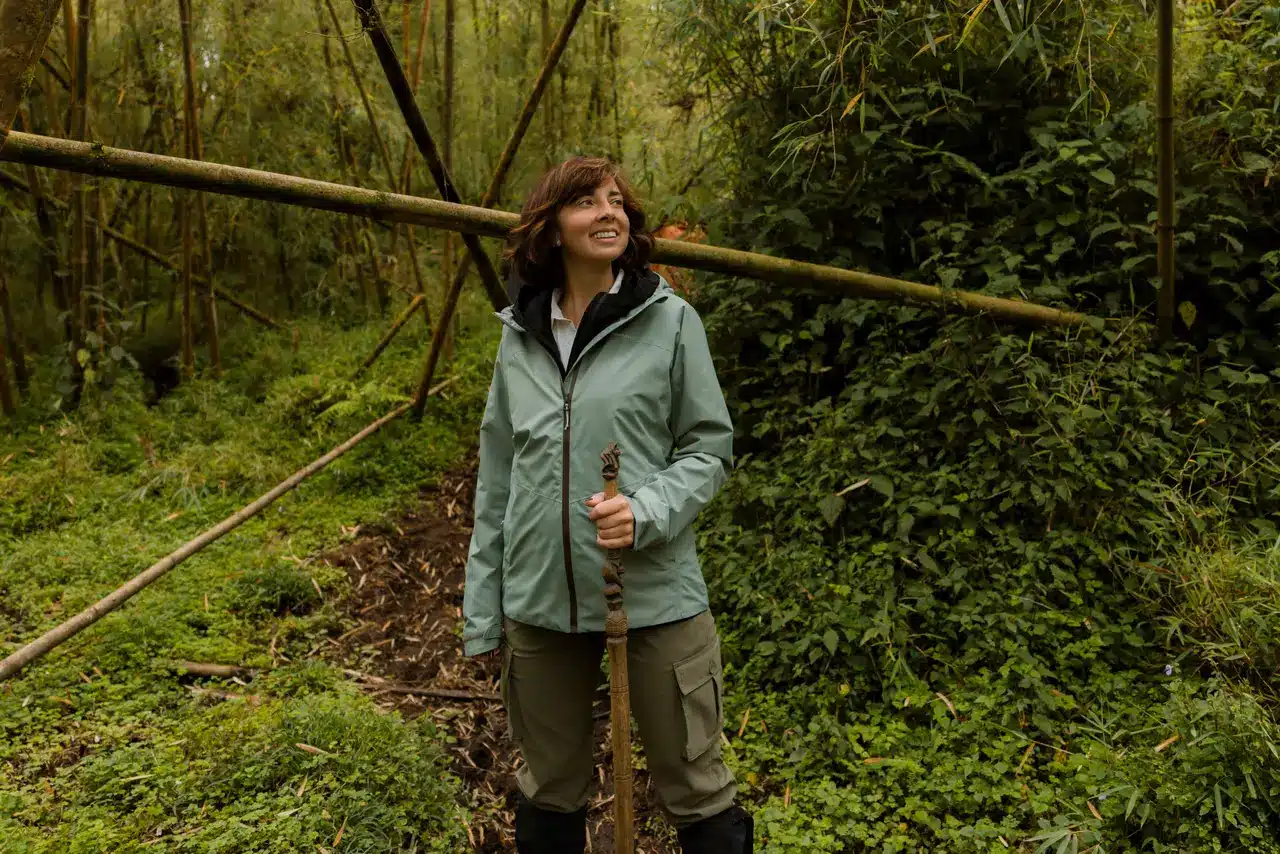
    After hours of hiking through bamboo forest and volcanic terrain, the body needs care. Muscles are tired, breathing slows, and the mind processes what it has just witnessed. Sambora’s approach to post-trek recovery is designed to support this moment, offering warmth, stillness, and unhurried attention.

    Rather than a clinical or high-energy spa model, recovery here is quiet and intuitive. Guests are encouraged to slow down, drink something warm, sit with the view, and allow the body to settle before any treatment begins. This gentle rhythm is what makes recovery at Sambora feel deeply restorative rather than routine.

    The Sambora Spa Experience

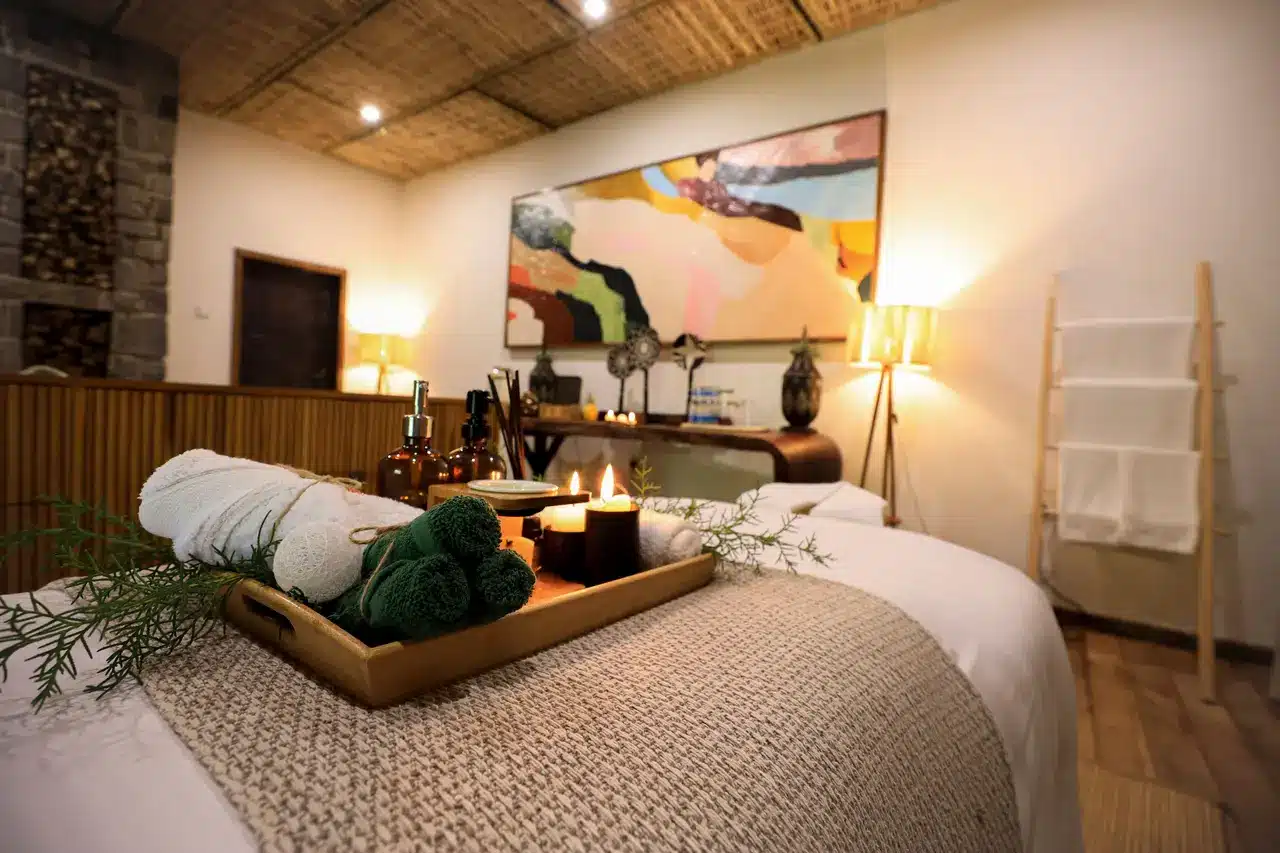
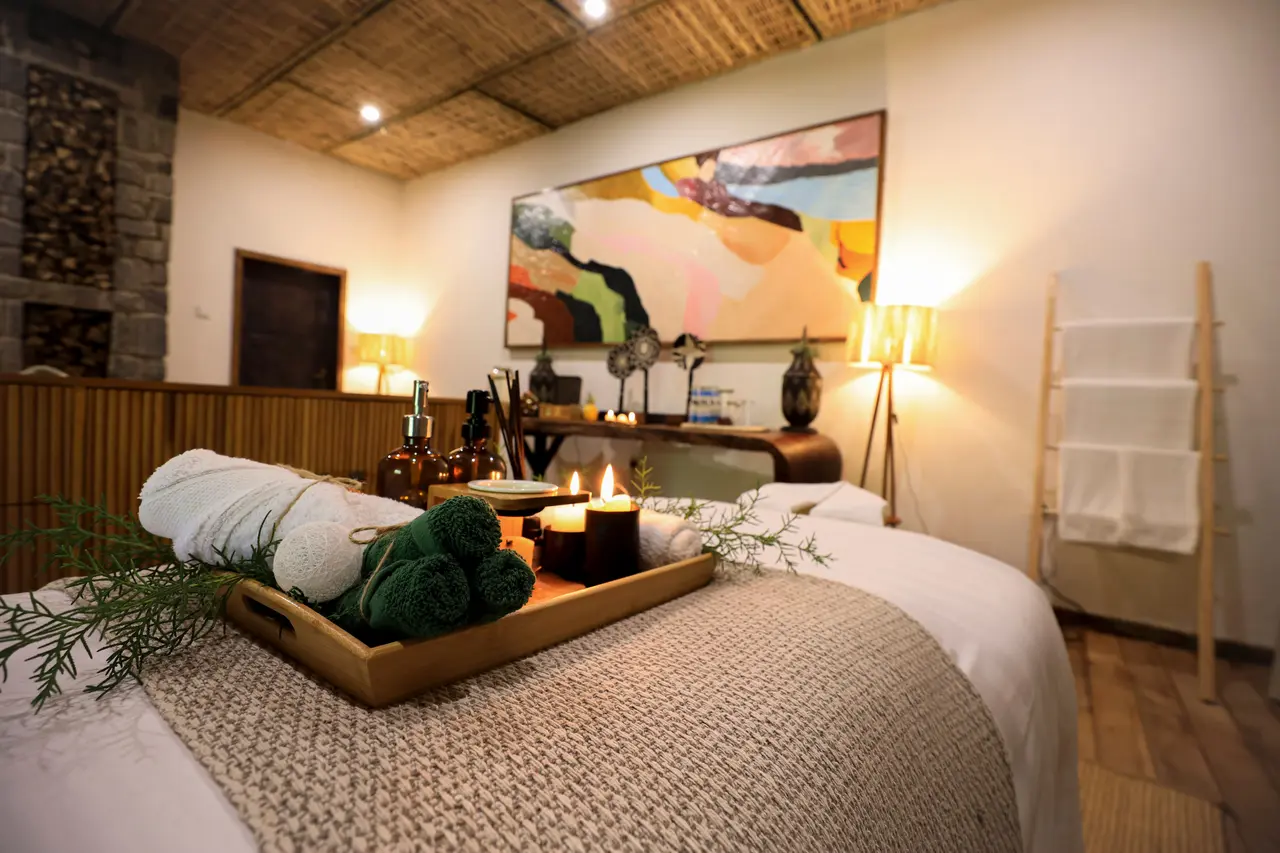
    The spa at Sambora is a sanctuary in the truest sense. Tucked into the landscape and surrounded by greenery, it feels removed from the outside world, yet entirely connected to its setting. Treatments are designed with trekkers in mind, focusing on easing tired legs, releasing tension in the lower back, and restoring balance after physical exertion.

    Massages are grounding rather than showy, using natural oils and steady techniques that encourage circulation and deep relaxation. Many guests choose their spa time in the afternoon, once they have showered, eaten lightly, and allowed the body to fully unwind. Others return the following morning, extending the sense of recovery into a second day of calm.

    Relaxation Woven Into the Lodge

    Wellness at Sambora does not begin or end in the treatment room. The lodge itself is designed to invite stillness. Private terraces open onto wide Virunga views, fire-lit lounges offer warmth on cool evenings, and quiet corners throughout the property allow guests to sit, read, or simply watch the mist move across the hills.

    There is no pressure to fill time with activities. In fact, many guests remark that some of their most memorable moments come from doing very little at all—listening to birds in the morning, sharing stories by the fire, or enjoying the rare luxury of silence.

    Nourishment That Supports Recovery

    Food plays an important role in the wellness experience at Sambora. After an early start and a demanding trek, meals are designed to be comforting, nourishing, and gently restorative. The emphasis is on balance rather than indulgence for its own sake, helping the body recover while still feeling deeply satisfying.

    Warm dishes, fresh ingredients, and thoughtful pacing create a sense of care that extends beyond the plate. Dining becomes another moment to slow down, reconnect, and reflect on the day.

    Wellness Rooted in Place

    What truly sets wellness at Sambora apart is its relationship with the surrounding landscape. The altitude, cooler climate, and proximity to Volcanoes National Park naturally encourage deeper sleep, clearer thinking, and a sense of grounded calm. The environment itself becomes part of the healing process.

    This is luxury shaped by context rather than excess—refined, intentional, and deeply connected to Rwanda’s natural rhythms.

    Completing the Gorilla Trekking Journey

    A stay at Sambora is about more than seeing mountain gorillas. It is about how you feel afterwards—how your body recovers, how your mind settles, and how the experience stays with you. By pairing adventure with meaningful rest, Sambora creates a more complete and considered way to experience gorilla trekking.

    Wellness at Sambora offers space to pause, to restore, and to leave feeling not only inspired, but genuinely renewed.

  • The Ultimate Guide to Gorilla Trekking in Rwanda (2026 Edition)

    The Ultimate Guide to Gorilla Trekking in Rwanda (2026 Edition)

    Embark on a thrilling adventure in the heart of Africa with our comprehensive guide to gorilla trekking in Rwanda. Whether you’re a seasoned traveler or planning your first safari, this guide will walk you through everything you need to know for an unforgettable experience.

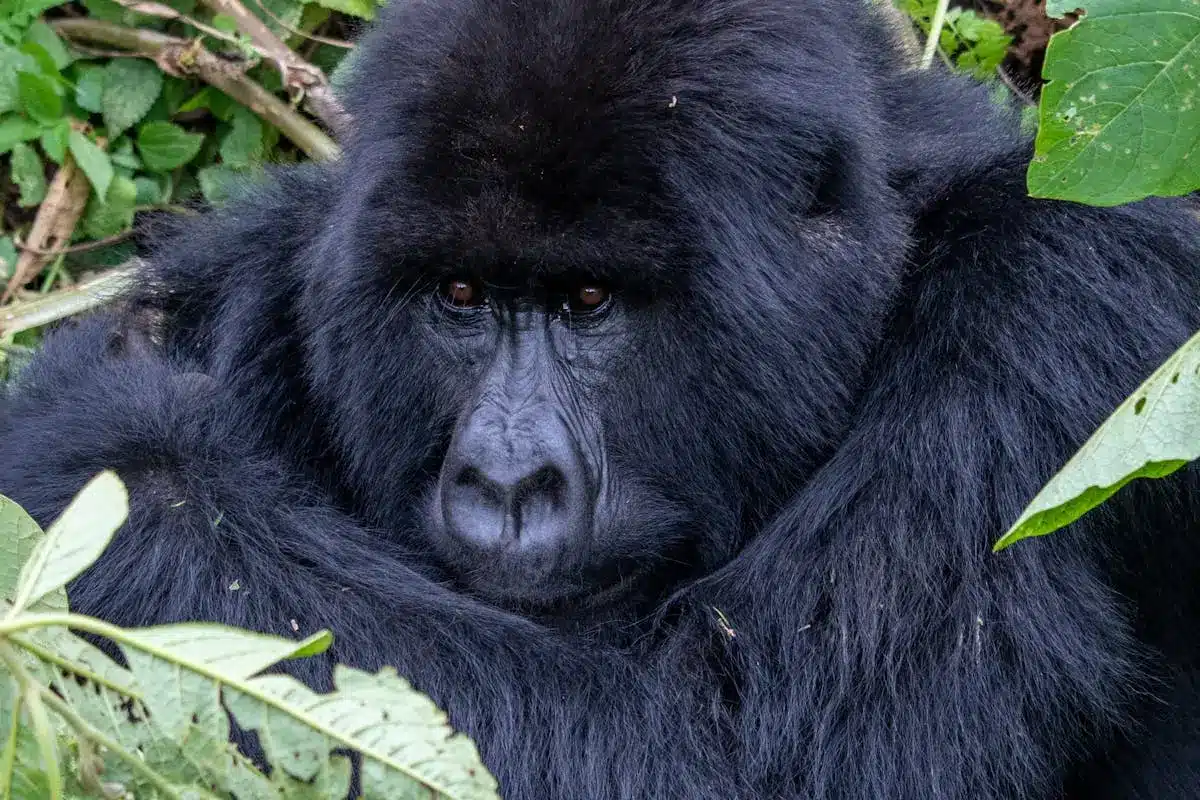
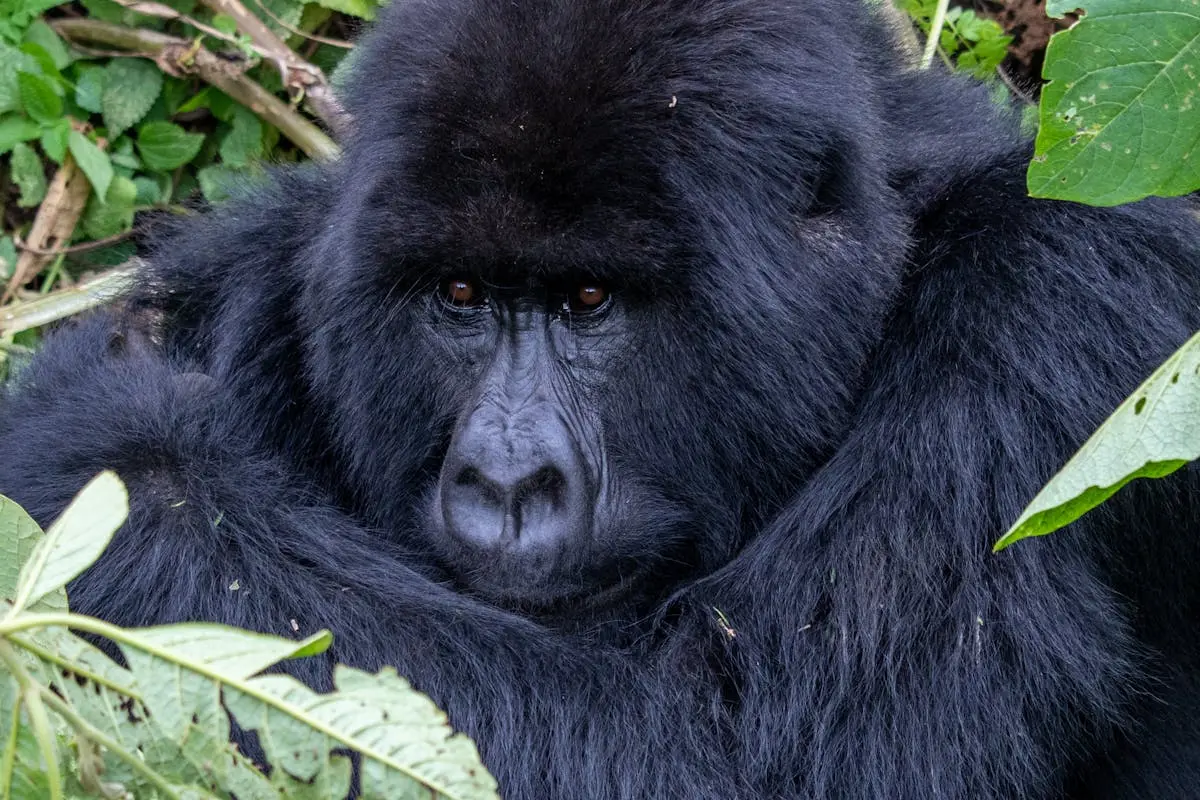
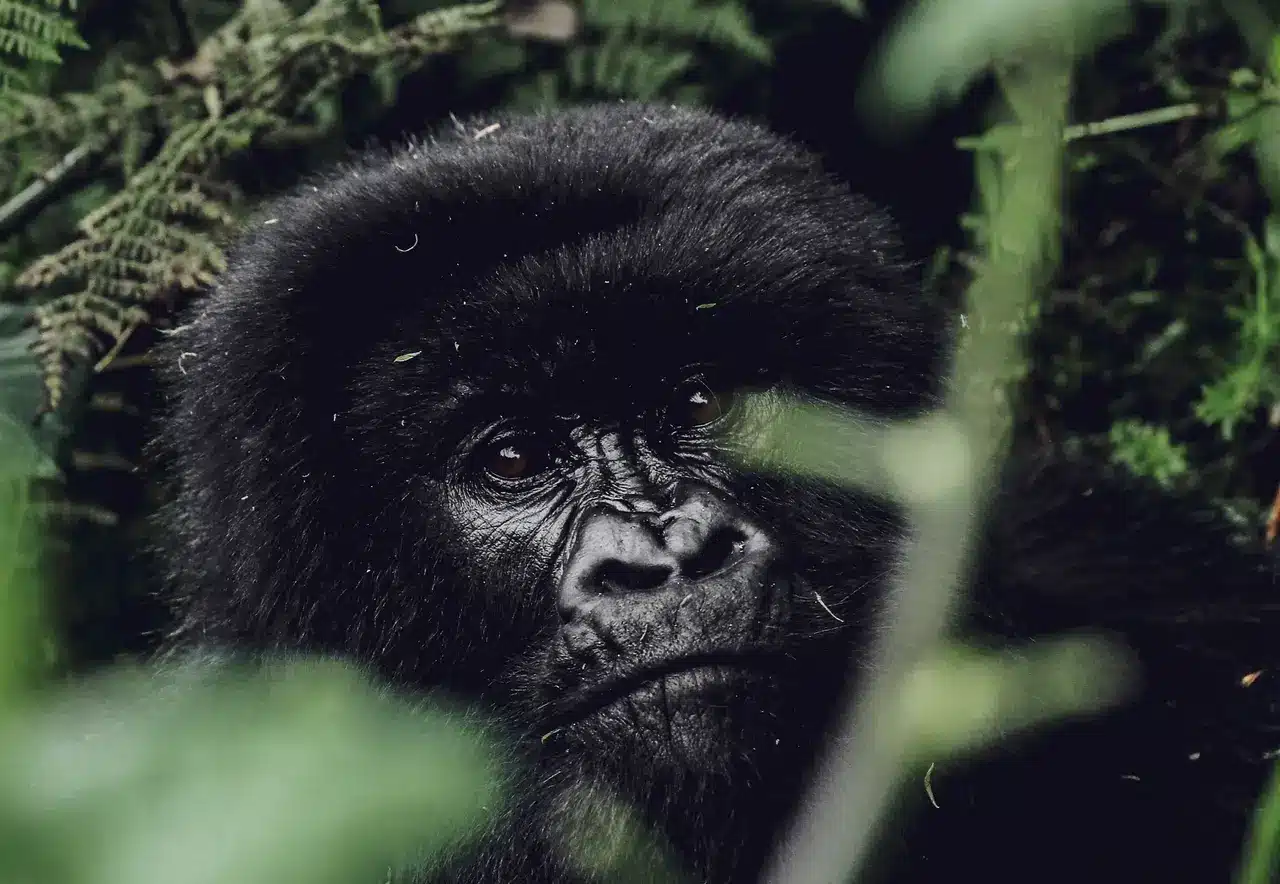
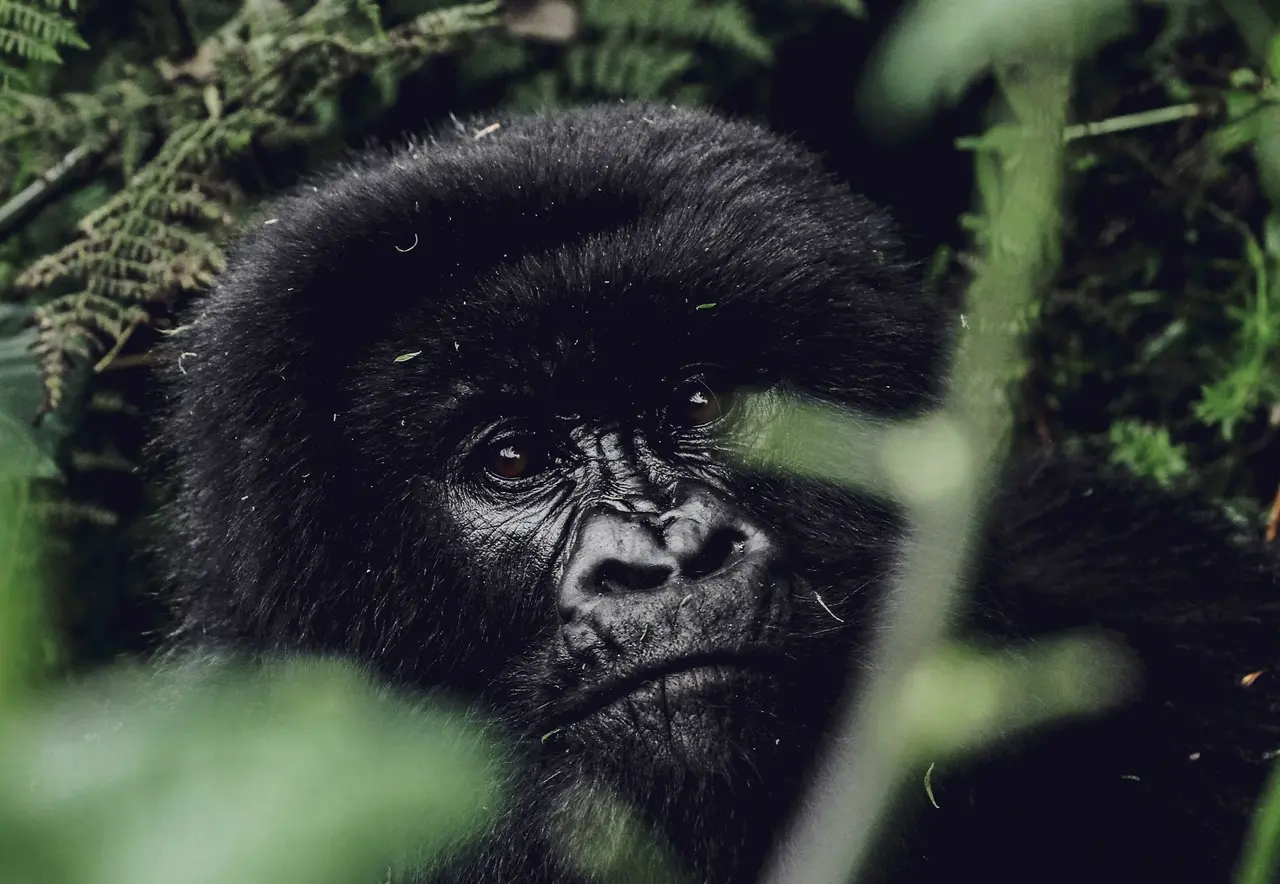
    Intimate portrait of a mountain gorilla resting among lush greenery.

    Understanding the Gorilla Trekking Experience

    Dive into the world of gorilla trekking and understand what makes this adventure truly unique. Learn about the majestic mountain gorillas and the lush landscapes of Rwanda’s Volcanoes National Park.

    Rwanda’s Volcanoes National Park is renowned for hosting a significant population of the remaining mountain gorillas in the world. The park, with its dense forests and misty landscapes, offers a sanctuary where these primates thrive. Imagine setting foot on a trail that winds through thick bamboo and rainforest vegetation, with the distant sound of a gorilla’s call echoing through the canopy. It’s an encounter that bridges the vast divide between humans and these gentle giants.

    What makes gorilla trekking an unparalleled adventure is the intimate experience it offers. Unlike a typical safari, where large distances separate tourists and wildlife, trekking puts you a few meters away from the gorillas. This proximity allows for a closer look into the gorillas’ lives, from their familial interactions to their instinctive behaviors. Each trek is a mesmerizing journey into the simultaneously simple and complex world of these endangered creatures.

    When to Go: Best Time for Gorilla Trekking

    Discover the ideal seasons for gorilla trekking in Rwanda, taking into account weather and gorilla behavior. Find out how the wet and dry seasons affect your experience and how to plan accordingly.

    The optimal time for gorilla trekking in Rwanda is during the dry seasons, which run from December to February and from June to September. During these months, the weather is more predictable, the trails are less muddy, and the gorillas are easier to track. However, each season offers its own unique benefits. For instance, the lush greenery during the wet months from March to May can provide stunning natural backdrops, perfect for photographers looking to capture the vibrant flora alongside these majestic creatures.

    Weather isn’t the only consideration when planning your visit. Gorilla behavior also varies throughout the year. During the dry seasons, gorillas often stay in higher elevations, making the trek joyful but challenging. In contrast, the rainy season might see gorillas moving to lower altitudes for food, sometimes making them easier to find, albeit through muddier terrains. Striking a balance between these factors ensures a more tailored and satisfying trekking experience.

    What to Pack: Essential Gear and Clothing

    Prepare for your trek by knowing what to pack. From clothing and footwear to equipment, this section covers all the essentials to ensure you’re ready for the adventure ahead.

    Packing smartly for your gorilla trek can significantly enhance your overall experience. Begin with sturdy hiking boots; the trails of Volcanoes National Park can be slippery and uneven, requiring reliable footwear for safe navigation. Lightweight long-sleeve shirts and trousers not only offer protection against nettles and insect bites but also ensure comfort during the hike. A waterproof jacket and pants are indispensable, as sudden rain showers can occur even during dry months.

    Complement your attire with essentials such as a hat and sunglasses for protection against the sun, and a pair of gloves for grasping onto branches during the hike. Pack a small daypack to carry water, snacks, and personal items. A camera with a good zoom lens will allow you to capture the essence of the gorillas without disturbing them. Regardless of your choice of gadgets, remember that the key lies in preparation and respect for the natural environment you’re visiting.

    Understand the permit system for gorilla trekking in Rwanda. Learn how to obtain your permits, the costs involved, and tips to secure a spot in advance.

    Acquiring a permit is the first and most crucial step in planning your gorilla trek. Rwanda issues a limited number of permits daily to ensure minimal disturbance to the gorillas’ natural environment. As demand is high, especially during peak seasons, it’s advisable to book your permit several months in advance. Permits can be secured through the Rwanda Development Board or authorized tour operators who often bundle permits with guided tours for a comprehensive experience.

    The cost of a permit in Rwanda currently stands at $1,500 per person. While this may seem steep, the revenue supports conservation efforts and community projects around the park. Additionally, tourists enjoy the advantage of personalized assistance from knowledgeable guides, enhancing the trekking experience. Those seeking affordable alternatives might consider trekking in Uganda or the Congo, where permit prices are different. However, the experience remains uniquely thrilling in Rwanda’s picturesque backdrop.

    A Day on the Trek: What to Expect

    Get a glimpse of what a day of gorilla trekking looks like. From the early morning start to the awe-inspiring encounters with gorillas, this section outlines the entire trekking experience.

    Your day of gorilla trekking begins bright and early. Trekkers convene at the park headquarters around 7 a.m. where they are briefed on safety protocols and the day’s itinerary. The excitement builds as small groups are assigned and guides lead the way into the mist-enshrouded forests. Hikes can range from two to six hours depending on the location of the gorilla families, adding an element of adventure to the journey.

    The apex of the trek occurs upon encountering the gorillas. Observing a massive silverback quietly commanding his territory or playful youngsters engaging in mock fights is an awe-inducing sight. These rare moments are governed by strict guidelines: visitors are allowed only an hour with the gorillas to minimize disturbance, while maintaining a safe distance. After such a profound encounter, trekkers often reflect on the gorillas’ close-knit family bonds, impressive strength, and surprisingly gentle nature.

    Eco-Friendly Trekking: Respecting the Gorillas’ Habitat

    Learn the importance of eco-friendly trekking practices and respecting the gorillas’ natural environment. Discover how you can minimize your impact while enjoying this unique adventure.

    Eco-friendly trekking is crucial for preserving the delicate ecosystem of Rwanda’s forests. To minimize your environmental footprint, it’s essential to adhere to the guidelines set by conservation authorities. Avoid creating noise that could disturb wildlife and stick to the designated paths to prevent habitat degradation. Carry out all trash, and refrain from using flash photography to protect the gorillas’ natural behavior and habitat. Such practices not only safeguard the environment but also enhance the natural experience.

    Responsible tourism also means investing in the local communities. Many organizations offer opportunities for travelers to contribute towards conservation and community development. By engaging with these programs, trekkers support education, healthcare, and sustainable livelihoods for locals, fostering a harmonious relationship between humans and wildlife. Ensuring that your trek leaves a positive impact on both the environment and community makes the adventure truly worthwhile.

    Prepare for Your Wild Encounter

    Gorilla trekking in Rwanda is a once-in-a-lifetime experience that offers breathtaking views and unforgettable moments. With proper preparation and respect for the natural habitat, you can ensure a safe and rewarding journey. Start planning today and get ready to meet these magnificent creatures in their own world.

  • Why Volcanoes National Park Rwanda Should Be Your Next Adventure Travel Destination

    Why Volcanoes National Park Rwanda Should Be Your Next Adventure Travel Destination

    Volcanoes National Park Rwanda is one of Africa’s most captivating adventure travel destinations—a place where misty volcanoes, ancient forests, and rare wildlife create an atmosphere of pure wonder. At the foot of these dramatic mountains, Sambora Kinigi Lodge offers a serene, luxurious base for exploring the park’s extraordinary landscapes and unforgettable wildlife encounters.

    Explore the Dramatic Landscapes of Volcanoes National Park

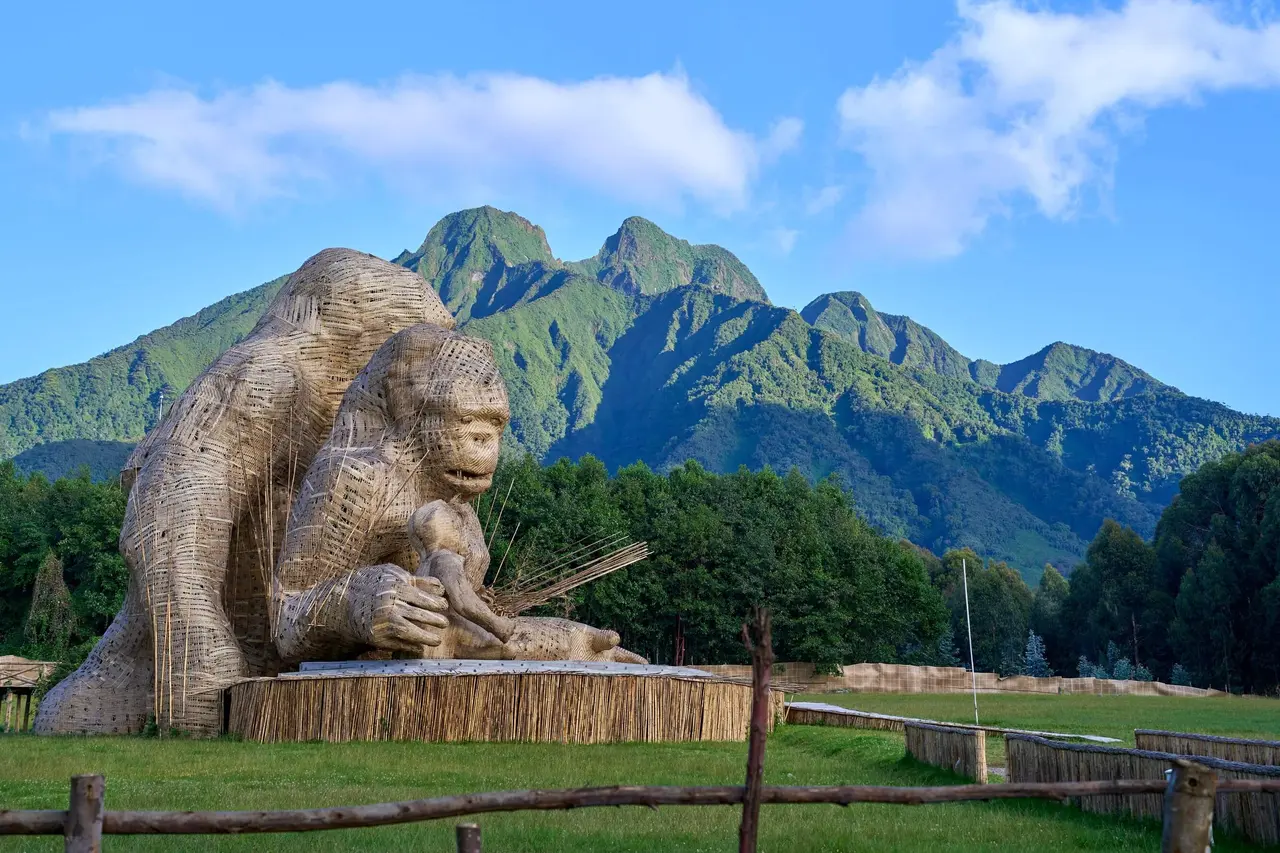
    Although Rwanda has no active lava flows today, the Virunga Massif—formed by ancient volcanic activity—remains one of the continent’s most iconic mountain ranges. Peaks such as Karisimbi, Bisoke, and Sabyinyo rise above rolling clouds, shaping a landscape that feels both peaceful and powerful.

    The park’s terrain shifts from lush bamboo forests to moss-covered lava formations and mist-filled valleys. Hiking here reveals a world sculpted by geological history: crater lakes, fertile volcanic soils, and sweeping ridges that provide breathtaking views across Rwanda, Uganda, and the DRC.

    At Sambora Kinigi Lodge, these landscapes become part of your daily rhythm. Mornings begin with golden light sweeping over the volcanoes, offering some of the most serene vistas in Rwanda.

    A Rich Blend of Culture, Conservation, and Community

    Volcanoes National Park is deeply rooted in Rwandan culture. Local communities have lived alongside these mountains for generations, developing traditions and stories that honour the land and its wildlife. The region is a model for community-led conservation, where local stewardship has helped mountain gorilla populations recover and flourish.

    A stay at Sambora Kinigi Lodge brings you closer to this cultural heritage. Thoughtful design, warm hospitality, and connections with local artisans allow guests to experience the meaning and spirit of the place beyond its natural beauty.

    Gorilla Trekking: Rwanda’s Most Iconic Adventure

    No journey to Volcanoes National Park Rwanda is complete without gorilla trekking—a once-in-a-lifetime experience that places you face-to-face with some of the world’s last remaining mountain gorillas.

    Your trek leads you through dense forests and gentle mountain slopes as guides trace the movements of a gorilla family. Encountering these gentle giants in their natural habitat is deeply moving, offering a rare glimpse into their social world and the conservation efforts that protect them.

    After a day in the forest, Sambora Kinigi Lodge welcomes you back with warmth and comfort, creating the perfect balance between adventure and relaxation.

    More Ways to Experience Adventure Travel in Rwanda

    Volcanoes National Park offers incredible outdoor experiences for travellers of every pace.

    Those seeking a challenge can summit Mount Bisoke, a rewarding hike culminating at a beautiful crater lake, or attempt the multi-day ascent of Karisimbi, Rwanda’s highest peak. For a gentler adventure, guided walks and cultural tours reveal the landscapes, plants, and stories that make this region so special.

    Every experience feels immersive, whether you’re trekking the bamboo forests, wandering through Afro-alpine meadows, or learning from local communities who share a deep connection with the land.

    Preparing for Your Adventure in Volcanoes National Park

    The high-altitude environment means occasional mist and cool mountain air, so layered clothing and reliable hiking shoes are essential. Sambora Kinigi Lodge assists guests with planning, offering guidance on permits, recommended gear, and daily park conditions. This thoughtful support ensures that your time in Volcanoes National Park is effortless, enriching, and aligned with sustainable tourism practices.

    Visitors are encouraged to follow Rwanda’s conservation guidelines, helping protect both wildlife and local communities while ensuring the park remains a sanctuary for future generations.

    Discover Volcanoes National Park With Sambora Kinigi Lodge

    Volcanoes National Park Rwanda is a destination that blends adventure, beauty, and tranquillity. Its dormant volcanoes, rich cultural heritage, and rare wildlife create an experience unlike any other in Africa. Paired with the refined comfort of Sambora Kinigi Lodge, your journey becomes a seamless blend of exploration and serenity.

    For travellers seeking meaningful adventure travel, unforgettable gorilla trekking, and a luxury lodge at the heart of nature, Volcanoes National Park is a place that will stay with you long after you depart.

  • 10 Must-Have Items on Your Rwanda Gorilla Trek Packing List

    10 Must-Have Items on Your Rwanda Gorilla Trek Packing List

    Packing for a gorilla trekking adventure in Rwanda can be both thrilling and daunting. While we often focus on the basic necessities, there are some items you might not expect to bring but will certainly be grateful for. This list is carefully curated to help you prepare for an unforgettable experience in the heart of Africa’s wilderness.

    1. Weatherproof Boots for Uneven Terrain

    Think beyond regular hiking boots. Having a pair of weatherproof boots with sturdy grip is vital to navigate the unpredictable Rwandan terrain, especially in wet conditions. The volcanic landscape and rich, loamy soil of Rwanda can become quite slippery after it rains, which is why your footwear needs to withstand mud and rough patches easily. Comfortable boots will also prevent blisters and ensure that you’re not distracted from the beauty around you.

    Moreover, investing in weatherproof boots is a step towards safeguarding your health, considering treks will lead you through dense, moist forests. Ensuring dryness and warmth is essential in preventing fungal infections and cold-related discomforts. You might want to visit our Shop for a selection of trekking-friendly footwear options.

    2. Lightweight Poncho for Unexpected Showers

    Rwanda’s weather can be mercurial. A lightweight poncho fits easily in your backpack and can save the day when a surprise downpour catches you off guard. Unlike traditional raincoats, ponchos offer more flexibility and can cover both you and your backpack entirely, ensuring that all your belongings stay dry.

    Furthermore, choosing a poncho made from breathable yet waterproof materials makes a significant difference in maintaining comfort levels. You’ll want one that’s easy to pull on in a hurry and that doesn’t restrict your movements, which could be crucial on those steep inclines. For more tips on navigating Rwanda’s climate, check out our Weather Tips.

    3. Collapsible Walking Pole for Balance

    A walking pole can provide stability on challenging trails. Opt for a collapsible version to save space when not in use. The terrain in Rwanda’s rainforests is incredibly varied, with elevations changing rapidly, and having a reliable walking pole can offer essential stability and support.

    Moreover, a collapsible walking pole can reduce pressure on your knees and joints, essential when you navigate through extended hikes. Its portability ensures you can easily carry it in your backpack, pulling it out only when necessary. For more about must-have trekking gear, explore our Trekking Accessories.

    4. High-Quality Binoculars for Wildlife Viewing

    To truly appreciate the diverse wildlife, a pair of high-quality binoculars will enhance your viewing experience, allowing you to see gorillas and other species up close. Gorilla trekking is about more than just the gorillas; the forest teems with magnificent birds, rare insects, and vibrant plant life worth observing in detail.

    Investing in binoculars with a clear zoom capability and excellent field of vision will help you spot elusive wildlife without venturing too close and possibly disturbing them. It is an enriching experience to view gorillas within their habitat, witnessing their interactions and behaviors. Find more wildlife viewing tips in our Wildlife Guide.

    5. Eco-Friendly Water Filtration System

    Water sources can be unpredictable, and an eco-friendly filtration system ensures you have safe drinking water without the need for single-use plastics. Opt for a compact system that can easily fit into your backpack.

    This method not only supports sustainable practices but also offers peace of mind regarding health hazards from untreated water. Combining this with a convenient reusable water bottle can make your treks both sustainable and refreshing. Learn more about our eco-friendly alternatives at our Eco Shop.

    6. Compact First Aid Kit for Emergencies

    Accidents can happen, so a compact first aid kit with essentials like bandages, antiseptics, and pain relievers is a must-have in your backpack. The remote locations might not provide immediate access to medical facilities, which makes having a well-stocked first aid kit incredibly important.

    Even small cuts or bites can escalate in the wild, so it’s essential to treat them promptly. An effective kit should also include insect bite treatment, sunburn remedies, and any personal medications you might need. Prepare adequately by consulting our Health Tips for trekking.

    7. Camera with Zoom Lens for Capturing Moments

    Capture the breathtaking moments of gorillas in their natural habitat. A camera with a zoom lens will help you take those memorable shots from a respectful distance. The lush landscapes and vibrant wildlife are a photographer’s dream, so ensuring you have the right equipment is key.

    Consider cameras with good image stabilization and the ability to withstand environmental challenges like humidity and rain. Documenting your journey allows you to share stories and images that speak volumes about this unique adventure. Maximize your photography skills with insights from our Photography Guide.

    8. Moisture-Wicking Clothing for Comfort

    The trek can get humid, so moisture-wicking clothing keeps you comfortable by drawing sweat away from your skin. Opt for lightweight, breathable fabrics that dry quickly to avoid the discomfort of damp clothing.

    Layering is essential in Rwanda’s variable climate, thus ensuring your body remains at a comfortable temperature throughout the day. By choosing clothing wisely, you prevent chafing and maintain comfort, which allows you to focus entirely on the captivating surroundings. For recommendations on the best clothing, consider visiting our Clothing Collection.

    9. Insect Repellent for Protection

    The rainforest is home to numerous insects. A good insect repellent is essential to keep bugs at bay and prevent bites. Whether it’s mosquitoes or other annoying insects, your comfort and health depend on effective protection.

    Natural repellents can provide a layer of protection without harsh chemicals, making them safe for your skin and the environment. Opt for a formulation that suits your skin type and activities for the day. You can find effective repellents at our Insect Protection Section.

    10. Rehydration Salts for Energy

    Stay hydrated and maintain energy levels with rehydration salts, which are especially useful during and after strenuous activities. Hiking in the higher altitudes of Rwanda can lead to dehydration without warning.

    These salts are easy to pack and can quickly dissolve in your water, making them convenient and efficient to use. They replenish essential electrolytes, preventing fatigue and muscle cramps. Prepare adequately by visiting our Rehydration Section for more tips.

  • Is It Safe to Visit Rwanda’s Mountain Gorillas? Understanding Habituation and Why Your Presence Is Welcome

    Is It Safe to Visit Rwanda’s Mountain Gorillas? Understanding Habituation and Why Your Presence Is Welcome

    Visiting Rwanda’s mountain gorillas is a once-in-a-lifetime experience that attracts wildlife enthusiasts from all over the world. However, many potential visitors wonder about their safety during such a close encounter with these majestic creatures. In this blog, we’ll explore the concept of habituation and how it makes gorilla trekking safe and welcoming for both humans and gorillas.

    Understanding the Basics: What Is Gorilla Habituation?

    Gorilla habituation is a fascinating process that allows these magnificent creatures to coexist peacefully with humans. Imagine it as a journey of trust-building, where wild gorillas are gently and gradually made familiar with non-threatening human interactions. This process is nuanced and patient, emphasizing the importance of non-intrusion and respect. Initially, a small team of researchers and conservationists approach the gorillas at a safe distance, observing their reactions and behaviors. Over time, this distance is carefully reduced under the gorillas’ terms, ensuring they never feel threatened or stressed.

    This approach of habituation was pioneered by the lauded primatologist Dr. Dian Fossey in the 1960s, with a clear vision that continues to guide conservation efforts today. According to the Dian Fossey Gorilla Fund – Habituation Practices, the aim is to create an environment where the presence of humans is as ordinary to the gorillas as the rustling of bamboo in the wind. This method allows visitors to experience encounters that are both intimate and non-disruptive, promoting a deeper understanding and appreciation of these gentle giants.

    The Role of Conservation Efforts

    Rwanda’s conservation efforts are a remarkable example of how well-managed tourism can coincide with the preservation of natural habitats. The financial aspects of gorilla trekking directly support extensive conservation programs. Nearly 10% of gorilla permit fees are reinvested into the local communities and conservation projects, which is detailed in the Rwanda Revenue Sharing Policy Overview. This reinvestment strategy is pivotal in enhancing the livelihoods of local populations, ensuring they have a vested interest in the well-being of the gorillas.

    This inclusive model of conservation means that every visitor contributes to the overarching goal of sustainability and protection of these endangered species. This community-centered approach not only funds conservation but also fosters a culture of pride and commitment towards gorilla protection among local communities. The result is a thriving ecosystem where gorillas, humans, and the environment coexist symbiotically. As reported by the International Gorilla Conservation Programme, the impressive increase in gorilla numbers in recent years is a testament to these successful initiatives.

    Gorilla Behavior: Why Habituated Gorillas Are Not Dangerous

    Addressing the question, ‘Are gorillas dangerous?’ requires understanding their innate nature and the effects of habituation. Generally, gorillas are gentle creatures with strong familial bonds. Through the habituation process, their natural curiosities are not quelled but rather adapted to anticipate and accept human visitors. This is particularly evident when observing habituated families, where calmness prevails even with close human proximity, a concept thoroughly examined by Gorilla Doctors – Gorilla Health & Safety.

    Rangers and guides play a crucial role in maintaining this tranquil environment. They are experts not just in wildlife tracking but in understanding gorilla behavior, ensuring that visits are conducted in a manner that minimizes disturbance. The structured encounters guaranteed by small groups and controlled interactions mean that any sign of stress in a gorilla family is meticulously managed, immediately concluding the visit if necessary. This level of oversight ensures that interactions are not only peaceful but enriching for both species.

    What to Expect on Your Gorilla Trek

    Preparing for a gorilla trek involves more than just physical readiness; it’s about aligning your expectations with the experience. Trekkers embark early in the morning, venturing into the lush and dense forests under the leadership of seasoned guides. The experience is akin to a peaceful pilgrimage, moving at a steady pace as you immerse yourself in the vibrant echoes of the Rwandan wilderness. The Rwanda Development Board’s website offers detailed insights into what prospective trekkers need to know.

    Once you reach the gorilla family, a profound sense of awe blankets the group. Observing a silverback regarding you with steady eyes, or watching young gorillas play under the protective gaze of their mothers, provides a humbling reminder of our shared place in the natural world. Visitors are encouraged to carry essential items like waterproof clothing and sturdy boots due to the unpredictable nature of mountain weather. Most importantly, a camera with a good zoom lens can capture these precious, magical moments forever.

    Being well-informed and prepared enriches your journey, transforming it into an unparalleled experience filled with learning and engagement. Embracing the unexpectedly calm demeanor of the gorillas against the symphony of the jungle creates memories that last a lifetime. This trek isn’t just about witnessing wild animals; it’s about bearing witness to a beautiful effort of conservation, directly tied into the legacy of communities and experts working tirelessly to preserve the harmony of these ancient forests.

    Your Visit: A Safe and Meaningful Adventure

    In conclusion, visiting Rwanda’s mountain gorillas offers a unique opportunity to connect with nature in one of its most breathtaking forms. Thanks to the careful habituation process, not only is your visit safe, but it’s also an integral part of gorilla conservation efforts. Embrace this rare chance, knowing that your presence is both welcomed and essential. Plan your adventure today by visiting our homepage, and start your unforgettable journey.

  • Sustainable Travel Tips for Your Africa Safari in Rwanda

    Sustainable Travel Tips for Your Africa Safari in Rwanda

    Embarking on an Africa safari in Rwanda is an exhilarating experience, brimming with breathtaking landscapes and incredible wildlife encounters. However, for those conscious of their environmental footprint, ensuring that their travel choices are sustainable is of utmost importance. This guide will walk you through some actionable tips to make your safari journey more environmentally friendly.
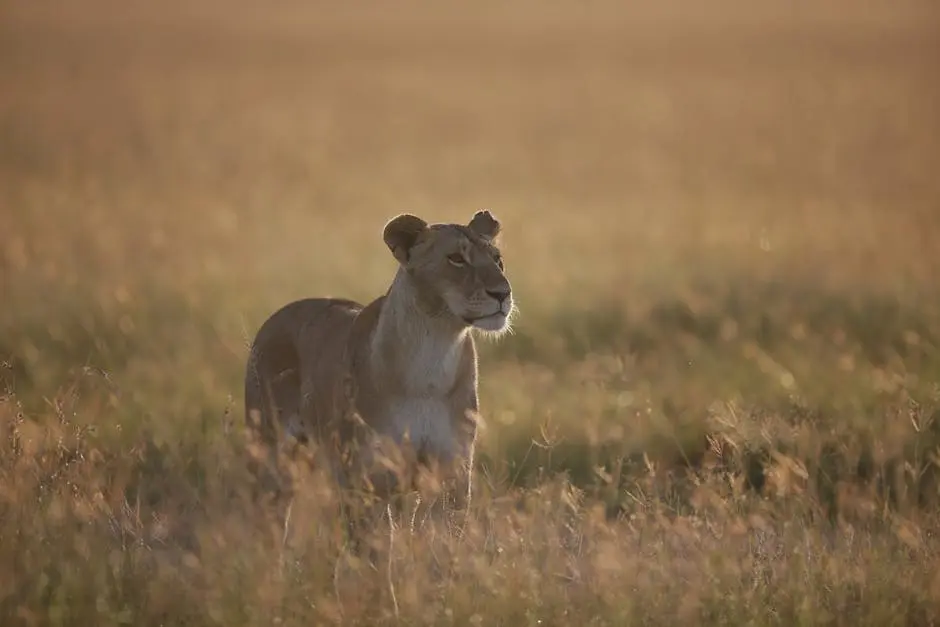
    A solitary lioness stands alert in the grasslands, illuminated by the warm sunrise, capturing a moment of wildlife vigilance.

    Choosing Eco-Friendly Lodging

    Selecting accommodations that prioritize sustainable practices is crucial. Look for lodges that use renewable energy, practice water conservation, and support local conservation projects. These establishments often also contribute to community development, which enriches both their surroundings and your travel experience.

    Eco-lodges in Rwanda offer a unique opportunity to stay close to nature without compromising comfort. These establishments are meticulously designed to minimize their environmental impact. For instance, some lodges utilize solar panels for electricity, while others have rainwater harvesting systems to ensure sustainable water use. Choosing such lodging options not only supports local ecosystems but also champions innovation in sustainable hospitality practices. When booking your stay, inquire about their sustainability policies and choose those that align with your values.

    Travel Light and Responsible

    Packing light not only makes for easier travel but also reduces your carbon footprint. Opt for reusable products, such as water bottles and shopping bags, to minimize waste during your journey. Additionally, carrying your waste with you until you find appropriate disposal options helps in maintaining the pristine conditions of Rwanda’s natural spaces.

    Being a mindful traveler involves careful preparation and selection of the items you bring with you. By minimizing single-use plastics and instead choosing sustainable alternatives, you contribute significantly to reducing environmental pollution. Consider investing in biodegradable soap and shampoos, which are gentler on the ecosystems you explore. Sustainable travel kits, which often include bamboo utensils and multi-purpose toiletries, are excellent choices for reducing waste during your trek through the Rwandan wilderness.

    Every piece of luggage you carry has an environmental impact, from the resources used for manufacturing to the fuel expended in transport. Prioritize bringing items that are multi-functional and essential. Even the clothing you bring can play a role in sustainable travel; opt for clothes made from organic and recycled materials, which are not only eco-friendly but also support ethical fashion initiatives. Packing thoughtfully is one small yet impactful way to leave a positive footprint behind.

    Support Local Communities

    Engaging with and supporting local communities ensures that the economic benefits of tourism reach those who reside in these areas. Consider purchasing souvenirs from local artisans, dining at locally-owned restaurants, and participating in community-led tours that give you authentic insights into Rwandan culture while fostering economic growth.

    Rwandan culture is rich and diverse, and connecting with local communities provides a deeper understanding of this incredible country. Visiting local markets is not only an opportunity to purchase unique handcrafted items but also to directly support local families. Participating in cultural experiences, such as traditional dances or local cooking classes, fosters cultural exchange and mutual understanding. These interactions enrich both your journey and the lives of those you meet, creating memories and friendships that last a lifetime.

    Beyond economic support, engaging with local communities cultivates respect and understanding. It’s important to approach such interactions with openness and a willingness to learn. Listening to local stories and customs can offer a perspective on the struggles and triumphs of Rwandan society, enlightening the traveler about global commonalities and diversities. By endorsing community-based tourism, you’re not just an observer but an active participant in the preservation and celebration of Rwanda’s heritage.

    Responsible Wildlife Viewing

    When on a safari, it’s essential to observe wildlife responsibly. Always maintain a respectful distance from the animals and refrain from making loud noises or feeding them. Following your guide’s instructions ensures that you minimize disturbance to the animals’ natural behaviors and contribute to the conservation efforts in the areas you visit.

    Rwanda is home to some of the most magnificent wildlife on earth, including the endangered mountain gorillas. Encountering such creatures in their natural habitat is a privilege that comes with a responsibility. Adhering to designated paths and not interfering with their natural behaviors respects the wildlife and helps maintain their habitats. By practicing responsible viewing protocols, tourists can ensure these beautiful creatures thrive for generations to come and that the biodiversity of the region remains intact.

    Photography enthusiasts often flock to Rwanda for its stunning opportunities to capture wildlife in action. It’s important to keep in mind ethical guidelines when photographing animals, such as avoiding the use of flash, which can startle or distress them. The goal is to witness these animals as naturally as possible, without intruding upon their space or safety. Respect for wildlife goes hand in hand with conservation, supporting ecosystems and the welfare of the inhabitants within them.

    Offset Your Carbon Footprint

    Consider offsetting your carbon emissions from travel by supporting environmental projects, such as tree planting or renewable energy initiatives. Many airlines and travel companies offer carbon offset programs that you can easily participate in, allowing you to compensate for the environmental impact of your journey.

    Carbon offsetting is a proactive step towards sustainable travel. By funding projects that reduce greenhouse gases, you’re directly contributing to the mitigation of climate change. Tree planting projects, for example, not only sequester carbon but also restore habitats and regulate local climates. Participating in these initiatives can be a simple and effective way to counterbalance the emissions produced during travel, promoting a more balanced global ecosystem.

    Supporting sustainable energy projects also plays a significant role in carbon offsetting. Renewable energy, such as solar or wind power, is a clean alternative to fossil fuels and helps reduce the carbon footprint of entire regions. Travelers can aim to select tours or accommodations that are committed to green energy practices, further extending the positive impact of their journey. Embracing carbon offsetting is an empowering way to travel while safeguarding the planet for the future.

    Safeguard Rwanda’s Beauty Through Responsible Travel

    Traveling sustainably in Rwanda ensures that the beauty of its landscapes and wildlife is preserved for future generations to enjoy. By making conscientious choices, you not only enrich your own travel experience but also contribute positively to the ecosystems and communities you visit. Consider making your next trip a sustainable one.

  • How to Prepare for Mountain Gorilla Trekking Adventures Before Travelling?

    How to Prepare for Mountain Gorilla Trekking Adventures Before Travelling?

    Embarking on a mountain gorilla trekking adventure is a once-in-a-lifetime experience that offers a unique glimpse into the lives of these majestic creatures. However, preparing effectively for this trek is crucial to ensure your journey is safe, enjoyable, and respectful to the gorillas and their habitat. Here’s a concise guide to help you get ready for your unforgettable encounter with mountain gorillas.

    Understand the Importance of Gorilla Conservation

    Before you embark on your trekking adventure, it’s crucial to understand the significance of gorilla conservation efforts. This knowledge will enhance your appreciation for the experience and the safeguards in place to protect these remarkable animals. Gorilla trekking not only offers a personal encounter with nature but also directly supports initiatives aimed at preserving gorilla habitats.

    By partaking in gorilla trekking, you contribute to anti-poaching efforts and habitat conservation. The fees collected from your trekking permits are reinvested in local communities and conservation projects, highlighting the symbiotic relationship between eco-tourism and wildlife protection. This understanding fosters a deeper connection to the environment and amplifies the significance of sustainable tourism practices.

    Innovative conservation events like the Kwita Izina Gorilla Naming Ceremony create public awareness, celebrating the birth of new gorillas while involving the global community in conservation efforts. Participating in or spreading the word about such initiatives can further enhance your trekking experience.

    Choose the Best Time for Your Trek

    The dry seasons, from June to September and December to February, are considered the best times for a gorilla trek. The trails are less muddy, making your trek more manageable and enjoyable.

    The lush rainforests of Rwanda present an enchanting backdrop for trekking during these dry months. Although weather conditions are more favorable during these periods, always be prepared for sudden rain showers which can add a thrilling aspect to your adventure.

    Plan Your Trip Logistics

    Deciding on your destination, arranging accommodations, and booking your gorilla trekking permits are essential steps. Countries like Uganda, Rwanda, and the Democratic Republic of the Congo offer this thrilling experience.

    Consider staying at our beautiful Sambora Kinigi Lodge, ideally located near the trekking sites. Our lodge offers comfortable accommodations with stunning views, ensuring that your stay is as memorable as your trekking adventure.

    In planning the logistics, also account for your entry and exit points. Depending on where you’re traveling from, consider the best routes, whether flying into Kigali for convenience or exploring alternative more scenic routes that offer a unique travel perspective.

    Acquire Necessary Permits and Follow Guidelines

    Gorilla trekking requires specific permits that can be limited and costly. Make sure to book your permits well in advance and educate yourself on the guidelines to ensure a respectful and safe encounter. We can assist in booking your permits through our sister tour company; Sambora Private Journeys.

    Each permit allows one hour with the mountain gorillas and an exhilarating hike, underscoring the importance of advance booking. Rely on reputable tour operators or local lodges to secure your permits seamlessly, and avoid last-minute hassles.

    Familiarizing yourself with the trekking rules ensures the safety and well-being of both humans and gorillas. Maintaining a minimum distance, avoiding flash photography, and following ranger advice are crucial for a harmonious interaction.

    Prepare Physically and Mentally

    The trek to witness mountain gorillas can be physically demanding. Engaging in regular cardiovascular exercise and practicing walking on varied terrain can help prepare your body. Mentally, familiarize yourself with the environment and potential challenges to anticipate during the trek.

    Increasing your stamina with activities like hiking or light jogging is beneficial. Simulating the trek’s conditions by walking on similar terrain near your home can acclimate your body to the experience. You can also review the tips on how to be fit for gorilla trekking.

    Being mentally prepared involves understanding the environmental context, learning about gorilla behavior, and embracing the trek’s unpredictability. Balance patience with excitement for a truly enriching experience.

    Pack the Right Gear and Essentials

    Proper gear, such as sturdy hiking boots, waterproof clothing, and insect repellent, is crucial. Additionally, pack light but include essentials like snacks, water, binoculars, and a camera for enhanced trekking experience.

    Layered clothing is advisable for temperature variations, and lightweight gloves can protect during hikes through dense vegetation. A small backpack for your essentials ensures you remain hands-free while trekking.

    Consider hiring a porter to assist with carrying equipment, allowing you to focus on the trek while supporting the local community. Engaging a local guide enhances cultural exchange and fosters ethical tourism practices.

    Final Thoughts on Preparing for Your Trek

    Preparing for a mountain gorilla trekking experience involves careful planning and consideration to ensure a respectful and enjoyable encounter. By choosing the right time to visit, planning the logistics, understanding the necessary permits and guidelines, and preparing physically and mentally, you can safeguard both your adventure and the well-being of the gorillas. So pack your essentials and get ready for a memorable journey into the heart of nature.

  • Why a Rwanda Safari Should Be on Every Nature Lover’s List

    Why a Rwanda Safari Should Be on Every Nature Lover’s List

    Embark on a captivating journey through Rwanda’s breathtaking landscapes, teeming with diverse wildlife and vibrant natural beauty. As a premier destination for nature enthusiasts, a Rwandan safari offers an unmatched experience that entwines adventure with conservation and rich cultural insights. Discover why this stunning African gem is a must-visit for every nature lover.
    Two zebras grazing peacefully in an expansive African savannah landscape.

    Encounter the Majestic Mountain Gorillas

    The Virunga Mountains in Rwanda provide a unique habitat for the critically endangered mountain gorillas. Trekking through lush forests to observe these gentle giants in their natural environment offers an unparalleled connection to wildlife, promoting conservation and sustainable tourism. As you venture into the Volcanoes National Park, prepare to be captivated by the wonder of sharing a habitat with these magnificent creatures. Observing the gorillas’ intricate social behavior is an awe-inspiring spectacle that only a few are privileged to witness in the wild. Guided by experienced trackers, visitors learn about the gorillas’ lifestyle and the efforts to protect their habitat. This intimate experience not only underscores the importance of conservation efforts but also highlights the role every traveler can play.

    The journey to find mountain gorillas typically begins at the break of dawn, where anticipation builds as you trek through the dense forest, guided by the distant beat of gorilla drums. As you come face-to-face with a silverback and its family, the sheer awe and respect for these creatures arise anew. This experience transcends a typical wildlife safari, becoming a profound testament to the power of ecotourism and the importance of maintaining and protecting diverse ecosystems, as highlighted in our blog ‘How Does a Rwanda Safari Support Conservation Efforts?’ Explore how a Rwanda safari contributes to conservation.

    Explore the Diverse Ecosystems of Akagera National Park

    Akagera National Park, nestled in the northeastern part of Rwanda, boasts a rich tapestry of ecosystems ranging from savannah plains to dense woodlands. Here, visitors can witness an array of wildlife, including elephants, lions, and a plethora of bird species, exemplifying the country’s ecological diversity. With safari experiences in Akagera, tourists explore its wetlands and lakes teeming with hippos and crocodiles, creating a perfect setting for adventure. Known as the only home to the ‘Big Five’ in Rwanda, Akagera attracts enthusiasts eager to see these iconic animals in the wild, all within a setting enriched by spectacular scenery and the shimmering beauty of Lake Ihema.

    The park’s establishment underscores Rwanda’s dedication to wildlife conservation, having undergone a significant transformation over the past few decades, from an overgrazed landscape to a vibrant refuge for animals. Through carefully managed reintroductions of species like lions and rhinos, Akagera has transformed into one of the most bio-diverse savannah reserves. Game drives through the park offer thrilling glimpses of zebras, giraffes, antelopes, and even elusive leopards. Visitors can witness the successful rewilding efforts that have made Akagera a symbol of hope and resilience in African conservation. As you journey through this diverse terrain, the interplay of varied landscapes—from grasslands to swamps—reveals nature’s complex artistry, offering not merely visual delights but profound insights into the ecosystem’s interrelations.

    Complementing the game driving experiences are guided boat safaris on Lake Ihema, where you can observe aquatic birds and animals in their natural environment. These wetland tours showcase the intricate dance of biodiversity where water meets land, underscoring the interconnectedness of life’s myriad forms. As the sun sets over the savannah and paints the sky in hues of orange and purple, the sounds of wildlife fill the air, amplifying the sense of awe and wonder. A visit to Akagera not only satisfies the adventurous spirit but deepens one’s appreciation for this ecological gem.

    Delve into the Verdant Wonder of Nyungwe Forest

    Home to one of Africa’s oldest rainforests, Nyungwe offers a fascinating escape into nature’s lush embrace. The canopy walk and extensive network of trails allow travelers to encounter its remarkable biodiversity, from playful chimpanzees to a wide variety of endemic plant species. Here, the magic lies in the details—vibrant orchids, chameleons with their kaleidoscopic color changes, and numerous species of butterflies that drift like living confetti through the air. For nature enthusiasts and bird watchers alike, Nyungwe is a paradise, with sightings of the Rwenzori turaco and other rare avian marvels that mark this forest as a top birding destination.

    Nyungwe’s extensive network of trails beckon to avid hikers, inviting them to explore the intricate layers of this multi-canopied wonderland. Trekking paths lead to majestic waterfalls and offer panoramic views of the forest that stretch as far as the eye can see, capturing the myriad shades of green that define this primeval Eden. The experience is not just about traveling through time to an ancient forest but also engaging with the local culture that worships this land. Local guides share stories of the forest’s past and its significance to Rwanda’s natural heritage, offering rich insights into the sustainable practices that have conserved these environments. For those enchanted by the untamed, Nyungwe provides a gateway to the untold narratives of nature’s splendor.

    Participate in Sustainable Tourism and Conservation Efforts

    Rwanda’s commitment to conservation is evident through various sustainable tourism initiatives. Visitors are encouraged to engage in eco-friendly practices that support local communities and preserve wildlife habitats, contributing positively to the region’s ecological and economic well-being. As highlighted in the initiative showcased by Sambora Kinigi, tourism in Rwanda is integrated into community development, where a portion of the proceeds from safaris supports local education and infrastructure projects. This model not only sustains the environment but nurtures human potential, demonstrating the far-reaching effects of mindful tourism on both people and planet.

    The emphasis on sustainable tourism in Rwanda means that each small part of your safari—from the lodges you stay in to the guides who lead your treks—reflects a commitment to preserving natural resources and cultural heritage. Many accommodations prioritize eco-friendly practices, such as sourcing food from local farmers and using renewable energy sources. By participating in this holistic approach to tourism, travelers contribute to initiatives that repair ecosystems and protect endangered species. The direct economic benefits accruing to local communities incentivize conservation efforts, fostering a culture of shared stewardship over the country’s natural and cultural assets. This creates a lasting bond between travelers and the land they explore, encouraging continued advocacy for thoughtful, responsible engagement with the wilderness.

    Moreover, Rwanda’s innovative policies, like the ban on single-use plastics and the monthly community clean-up day known as Umuganda, reflect a national ethos of environmental stewardship. These grassroots initiatives demonstrate how collective action can address global challenges such as pollution and climate change, providing valuable lessons for tourists to bring home. Participation in a Rwanda safari offers more than wildlife encounters; it involves witnessing firsthand the successful harmony between tourism, conservation, and community. This synergy creates an inspiring narrative of possibility—showcasing how integrated approaches can deliver profound impacts on both conservation and community upliftment.

    Embrace the Untamed Beauty of Rwanda

    A Rwanda safari is not just a journey through one of the most stunning landscapes in Africa but an opportunity to immerse oneself in nature’s wonderland. Whether encountering majestic gorillas, exploring verdant rainforests, or engaging in conservation efforts, the experiences you’ll gain are both enriching and transformative. Truly, Rwanda’s treasures deserve a spot on every nature lover’s list.