Author: admin

  • Why a Rwanda Safari Should Be on Every Nature Lover’s List

    Why a Rwanda Safari Should Be on Every Nature Lover’s List

    Embark on a captivating journey through Rwanda’s breathtaking landscapes, teeming with diverse wildlife and vibrant natural beauty. As a premier destination for nature enthusiasts, a Rwandan safari offers an unmatched experience that entwines adventure with conservation and rich cultural insights. Discover why this stunning African gem is a must-visit for every nature lover.
    Two zebras grazing peacefully in an expansive African savannah landscape.

    Encounter the Majestic Mountain Gorillas

    The Virunga Mountains in Rwanda provide a unique habitat for the critically endangered mountain gorillas. Trekking through lush forests to observe these gentle giants in their natural environment offers an unparalleled connection to wildlife, promoting conservation and sustainable tourism. As you venture into the Volcanoes National Park, prepare to be captivated by the wonder of sharing a habitat with these magnificent creatures. Observing the gorillas’ intricate social behavior is an awe-inspiring spectacle that only a few are privileged to witness in the wild. Guided by experienced trackers, visitors learn about the gorillas’ lifestyle and the efforts to protect their habitat. This intimate experience not only underscores the importance of conservation efforts but also highlights the role every traveler can play.

    The journey to find mountain gorillas typically begins at the break of dawn, where anticipation builds as you trek through the dense forest, guided by the distant beat of gorilla drums. As you come face-to-face with a silverback and its family, the sheer awe and respect for these creatures arise anew. This experience transcends a typical wildlife safari, becoming a profound testament to the power of ecotourism and the importance of maintaining and protecting diverse ecosystems, as highlighted in our blog ‘How Does a Rwanda Safari Support Conservation Efforts?’ Explore how a Rwanda safari contributes to conservation.

    Explore the Diverse Ecosystems of Akagera National Park

    Akagera National Park, nestled in the northeastern part of Rwanda, boasts a rich tapestry of ecosystems ranging from savannah plains to dense woodlands. Here, visitors can witness an array of wildlife, including elephants, lions, and a plethora of bird species, exemplifying the country’s ecological diversity. With safari experiences in Akagera, tourists explore its wetlands and lakes teeming with hippos and crocodiles, creating a perfect setting for adventure. Known as the only home to the ‘Big Five’ in Rwanda, Akagera attracts enthusiasts eager to see these iconic animals in the wild, all within a setting enriched by spectacular scenery and the shimmering beauty of Lake Ihema.

    The park’s establishment underscores Rwanda’s dedication to wildlife conservation, having undergone a significant transformation over the past few decades, from an overgrazed landscape to a vibrant refuge for animals. Through carefully managed reintroductions of species like lions and rhinos, Akagera has transformed into one of the most bio-diverse savannah reserves. Game drives through the park offer thrilling glimpses of zebras, giraffes, antelopes, and even elusive leopards. Visitors can witness the successful rewilding efforts that have made Akagera a symbol of hope and resilience in African conservation. As you journey through this diverse terrain, the interplay of varied landscapes—from grasslands to swamps—reveals nature’s complex artistry, offering not merely visual delights but profound insights into the ecosystem’s interrelations.

    Complementing the game driving experiences are guided boat safaris on Lake Ihema, where you can observe aquatic birds and animals in their natural environment. These wetland tours showcase the intricate dance of biodiversity where water meets land, underscoring the interconnectedness of life’s myriad forms. As the sun sets over the savannah and paints the sky in hues of orange and purple, the sounds of wildlife fill the air, amplifying the sense of awe and wonder. A visit to Akagera not only satisfies the adventurous spirit but deepens one’s appreciation for this ecological gem.

    Delve into the Verdant Wonder of Nyungwe Forest

    Home to one of Africa’s oldest rainforests, Nyungwe offers a fascinating escape into nature’s lush embrace. The canopy walk and extensive network of trails allow travelers to encounter its remarkable biodiversity, from playful chimpanzees to a wide variety of endemic plant species. Here, the magic lies in the details—vibrant orchids, chameleons with their kaleidoscopic color changes, and numerous species of butterflies that drift like living confetti through the air. For nature enthusiasts and bird watchers alike, Nyungwe is a paradise, with sightings of the Rwenzori turaco and other rare avian marvels that mark this forest as a top birding destination.

    Nyungwe’s extensive network of trails beckon to avid hikers, inviting them to explore the intricate layers of this multi-canopied wonderland. Trekking paths lead to majestic waterfalls and offer panoramic views of the forest that stretch as far as the eye can see, capturing the myriad shades of green that define this primeval Eden. The experience is not just about traveling through time to an ancient forest but also engaging with the local culture that worships this land. Local guides share stories of the forest’s past and its significance to Rwanda’s natural heritage, offering rich insights into the sustainable practices that have conserved these environments. For those enchanted by the untamed, Nyungwe provides a gateway to the untold narratives of nature’s splendor.

    Participate in Sustainable Tourism and Conservation Efforts

    Rwanda’s commitment to conservation is evident through various sustainable tourism initiatives. Visitors are encouraged to engage in eco-friendly practices that support local communities and preserve wildlife habitats, contributing positively to the region’s ecological and economic well-being. As highlighted in the initiative showcased by Sambora Kinigi, tourism in Rwanda is integrated into community development, where a portion of the proceeds from safaris supports local education and infrastructure projects. This model not only sustains the environment but nurtures human potential, demonstrating the far-reaching effects of mindful tourism on both people and planet.

    The emphasis on sustainable tourism in Rwanda means that each small part of your safari—from the lodges you stay in to the guides who lead your treks—reflects a commitment to preserving natural resources and cultural heritage. Many accommodations prioritize eco-friendly practices, such as sourcing food from local farmers and using renewable energy sources. By participating in this holistic approach to tourism, travelers contribute to initiatives that repair ecosystems and protect endangered species. The direct economic benefits accruing to local communities incentivize conservation efforts, fostering a culture of shared stewardship over the country’s natural and cultural assets. This creates a lasting bond between travelers and the land they explore, encouraging continued advocacy for thoughtful, responsible engagement with the wilderness.

    Moreover, Rwanda’s innovative policies, like the ban on single-use plastics and the monthly community clean-up day known as Umuganda, reflect a national ethos of environmental stewardship. These grassroots initiatives demonstrate how collective action can address global challenges such as pollution and climate change, providing valuable lessons for tourists to bring home. Participation in a Rwanda safari offers more than wildlife encounters; it involves witnessing firsthand the successful harmony between tourism, conservation, and community. This synergy creates an inspiring narrative of possibility—showcasing how integrated approaches can deliver profound impacts on both conservation and community upliftment.

    Embrace the Untamed Beauty of Rwanda

    A Rwanda safari is not just a journey through one of the most stunning landscapes in Africa but an opportunity to immerse oneself in nature’s wonderland. Whether encountering majestic gorillas, exploring verdant rainforests, or engaging in conservation efforts, the experiences you’ll gain are both enriching and transformative. Truly, Rwanda’s treasures deserve a spot on every nature lover’s list.

  • Unforgettable Encounters with Mountain Gorillas in Volcanoes National Park

    Unforgettable Encounters with Mountain Gorillas in Volcanoes National Park

    Exploring the majesty of mountain gorillas in Volcanoes National Park is an adventure like no other. This blog will take you on a journey into the heart of Rwanda, where trekking through lush forests offers the chance to see these incredible creatures up close. From their playful behaviors to the enduring conservation efforts that protect them, encounters with mountain gorillas are truly unforgettable.

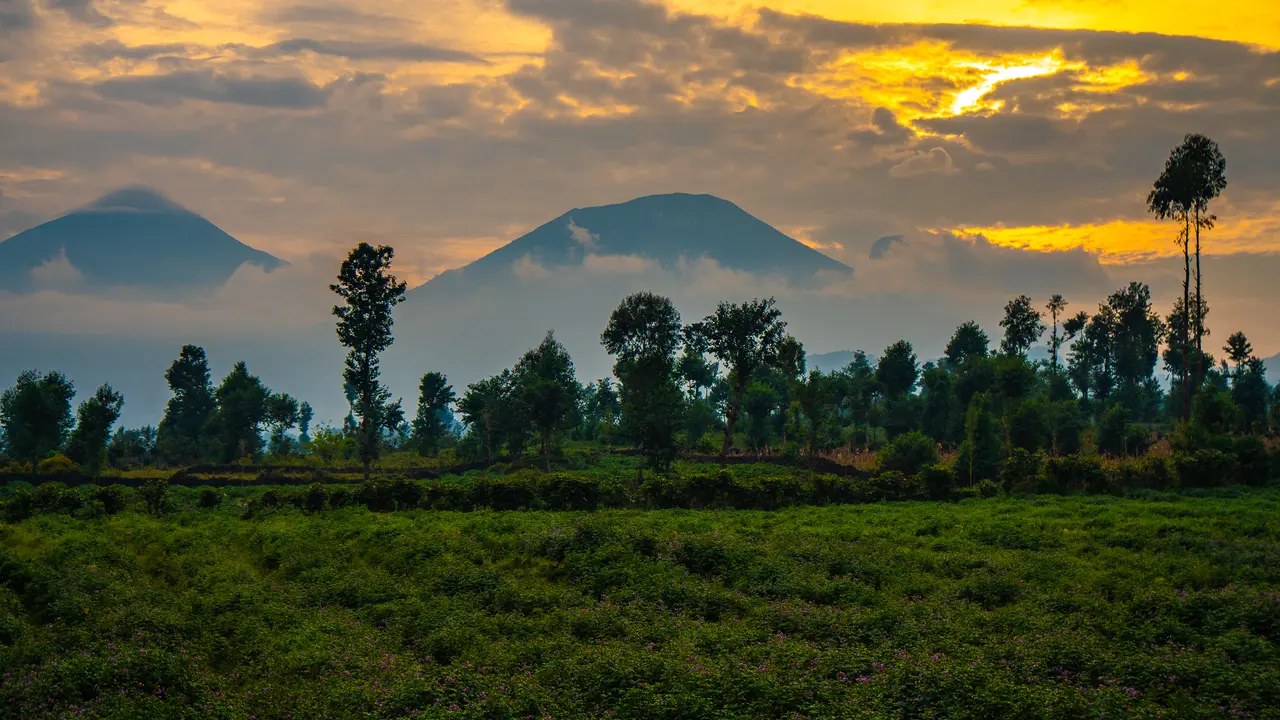
    Landscape with a Mountain, Lake, and Clouds

    Understanding Mountain Gorillas and Their Habitat

    Mountain gorillas are a remarkable species, unique to the volcanic mountain ranges of East Africa. Their thick fur, large size, and human-like features make them an intriguing sight for wildlife enthusiasts. These gentle giants are primarily found in the Virunga Mountains, shared by Rwanda, Uganda, and the Democratic Republic of the Congo. The dense forests and bamboo groves create a perfect sanctuary for them, providing not only shelter but also a rich source of food.

    In terms of social structure, mountain gorillas live in groups called troops, usually led by a dominant silverback male. This hierarchical organization ensures stability within the troop, as the silverback is responsible for the protection and cohesion of the group. Notably, the interactions among troop members, especially the playful antics of the young gorillas, are captivating to observe. These behaviors not only highlight their intelligence but also exemplify the emotional bonds they share.

    Understanding the habitat of mountain gorillas helps us grasp the challenges they face. Deforestation, poaching, and habitat encroachment are significant threats to their survival. Due to these pressures, their population has dwindled, making the remaining groups all the more precious. Witnessing these majestic beings in their natural environment serves as a poignant reminder of the importance of conservation efforts. Ensuring their survival is a shared responsibility that begins with awareness and education.

    Planning Your Gorilla Trek in Volcanoes National Park

    Planning a trek to see mountain gorillas in Volcanoes National Park is an exciting endeavor, but it requires careful consideration. First and foremost, securing a trekking permit is essential, as only a limited number of visitors are allowed each day. This not only protects the gorillas but also provides an intimate experience with these incredible animals. The permits can be booked well in advance, particularly during the peak tourist seasons.

    Choosing the right time to visit is another key aspect of planning your adventure. The dry seasons from December to February and June to September are often regarded as the best times for trekking. During these months, the trails are less muddy, making it easier to hike through the dense forest. However, a visit during the rainy season can also be rewarding, with fewer tourists and a lush, vibrant landscape.

    Physical preparation is equally important when planning your trek. The hikes can be strenuous, sometimes lasting several hours as you navigate through steep terrains. Taking the time to train and build endurance beforehand will enhance your experience significantly. Additionally, packing essential items like a sturdy pair of hiking boots, rain gear, and plenty of water will ensure you are well-equipped for the adventure ahead.

    Once on the ground, it’s best to engage with local guides who have an in-depth understanding of the gorillas and the terrain. Their knowledge not only enriches your experience but also ensures that you hike safely and respectfully. Always remember, the goal is to observe the gorillas without disturbing their natural behavior. Following guidelines and maintaining a respectful distance will help you witness their majesty while contributing to their conservation.

    What to Expect During Your Encounter

    The anticipation builds as you make your way deep into the forests of Volcanoes National Park, each step bringing you closer to an encounter with mountain gorillas. As you trek, the sounds of the forest envelope you: the rustling leaves, calls of various bird species, and even the distant hum of other wildlife create an enchanting backdrop. It’s a unique feeling when you realize you’re walking in the same habitat as these magnificent creatures.

    When you finally catch sight of a mountain gorilla, emotions can be overwhelming. The first glimpse often reveals a majestic silverback, showcasing his formidable presence as he watches over his family. Observing them in their natural behavior, from foraging to grooming, provides insights into their social dynamics. It’s an incredible experience that deepens your appreciation for these gentle giants.

    The guidelines set forth by the park are crucial during your encounter. You’re allowed to spend only one hour with the gorillas, which may seem brief, but it’s a carefully curated timeframe designed to minimize stress on the animals. This time constraint encourages you to fully immerse yourself in the moment, capturing the beauty of each interaction. It’s a delicate balance that allows for memorable experiences without compromising the gorillas’ well-being.

    As you observe, it’s fascinating to see the mother gorillas nurturing their young. The tenderness displayed in these moments can be heartwarming. Watching a juvenile gorilla playfully tumble and explore is a reminder of the innocence of youth. These interactions can evoke emotions that resonate long after the trek concludes, establishing an unforgettable connection between you and these remarkable beings.

    The Impact of Gorilla Tourism on Conservation

    Gorilla tourism is pivotal not only for the economy of the regions surrounding Volcanoes National Park but also for the conservation of mountain gorillas. The revenue generated from trekking permits directly contributes to the protection of these endangered species. This financial support enables the park authorities to fund anti-poaching patrols and habitat preservation initiatives. It’s a win-win situation, where wildlife conservation and community development go hand in hand.

    Moreover, the growing interest in seeing mountain gorillas has raised awareness about their plight. Tourists leave with stories that resonate, spreading knowledge about the importance of preserving wildlife. Such awareness fosters a collective responsibility toward conservation efforts, encouraging local communities to take an active role in protecting their environment. This symbiotic relationship is crucial for the sustainability of wildlife tourism.

    However, it must be noted that while tourism has its benefits, it also comes with challenges. The influx of visitors can place stress on natural resources and habitats, potentially leading to negative impacts if not managed correctly. Therefore, responsible tourism practices are vital. Tourists should always abide by park regulations, ensuring that their presence doesn’t disrupt the natural behaviors of the gorillas. By being mindful, we can ensure that these magnificent creatures will thrive for generations to come.

    Personal Stories: Life-Changing Gorilla Encounters

    Every encounter with mountain gorillas can be transformative, often leaving a lasting imprint on visitors. One traveller, Sarah, shared her profound experience upon witnessing a silverback protecting his young. She recounted how the sheer strength and nurturing nature of the male gorilla resonated with her own life lessons. This encounter shifted her perspective on wildlife and solidified her commitment to support conservation efforts.

    Similarly, John, an avid photographer, captured a candid moment of a baby gorilla curiously exploring its surroundings. His images not only showcased the beauty of these animals but also depicted their vulnerability. This sparked a desire to advocate for their protection, leading him to organize awareness campaigns upon returning home. Such stories highlight how personal experiences can ignite change and emphasize the importance of these encounters.

    Another riveting account comes from Lisa, who travelled with her family. Their shared experience of observing a mountain gorilla mother caring for her offspring created bonds beyond words. They left the park with a renewed appreciation for family and nature. This served as a profound reminder of our interconnectedness with the animal kingdom, encouraging them to support various conservation initiatives in their community.

    How to Prepare for Your Visit: Tips and Guidelines

    Preparation is key to ensuring that your visit to the mountain gorillas is an enjoyable and memorable experience. One of the first steps is to assess your physical fitness, as the trekking can be quite demanding. Incorporating regular exercise into your routine leading up to the trip will help build the necessary stamina. A mixture of cardio and strength training will equip you with the endurance needed for the climbs.

    Another practical tip is to invest in quality gear. A good pair of hiking boots with ankle support can make a significant difference on uneven terrains. Additionally, wearing breathable and moisture-wicking clothing will enhance comfort while trekking. Given the unpredictable weather in the region, layering is also advisable. A waterproof jacket and pants are essential for those sudden rain showers.

    Moreover, packing a small backpack with essentials like snacks, water, a camera for capturing memories, and binoculars for wildlife observation is a smart move. A pair of binoculars can allow you to enjoy the beauty of other wildlife in the park while maintaining the recommended distance from the gorillas. Do not forget sunscreen and insect repellent; these will greatly enhance your overall experience in the lush terrain.

    Finally, embracing a mindset of patience and respect while observing the gorillas is paramount. Remember that these creatures are not in a zoo; they are in their natural habitat. Approaching them quietly and respecting their space ensures that the encounter is rewarding for both you and the gorillas. Following these tips will help you create cherished memories and deep connections on your journey.

    Cherishing the Mountain Gorilla Experience

    Visiting the mountain gorillas in Volcanoes National Park is more than just a travel experience; it’s a chance to connect with nature and contribute to the conservation of an endangered species. The memories made during these encounters will stay with you long after your journey ends.

  • 7 Unforgettable Experiences on a Rwanda Safari in Volcanoes National Park

    7 Unforgettable Experiences on a Rwanda Safari in Volcanoes National Park

    Rwanda’s Volcanoes National Park is a treasure trove of adventure and wonder. Whether you’re a wildlife enthusiast, nature lover, or an avid explorer, this park offers experiences that you’ll cherish forever. Let’s dive into some of the most unforgettable moments you can have on a Rwanda safari in this spectacular destination.

    1. Gorilla Trekking Adventure

    One of the most sought-after experiences in Volcanoes National Park is gorilla trekking. This thrilling activity allows you to get up close and personal with mountain gorillas in their natural habitat. Guided by knowledgeable trackers, you’ll navigate through dense forests and experience the magic of observing these majestic creatures. In Rwanda, mountain gorillas are protected within the Volcanoes National Park, which is part of the Virunga Mountains that straddle the borders of Rwanda, Uganda, and the Democratic Republic of Congo. This park is home to nearly half of the world’s endangered mountain gorilla population, offering you a truly profound experience.

    To trek mountain gorillas in Rwanda, visitors must purchase a gorilla permit. The cost may seem high, but many trekkers agree that the exceptional experience is worth the investment. The revenue generated from permit sales supports crucial conservation projects, anti-poaching patrols, and community development initiatives, ensuring the continued survival of mountain gorillas for generations to come.

    Gorilla trekking in Rwanda is a year-round activity, but the best experiences are typically had during the dry months of June to September and December to February. During these periods, the terrain is less slippery, and gorillas tend to move more freely within their groups, making them easier to observe. Each gorilla group is visited by a maximum of eight trekkers per day, allowing for intimate and less intrusive encounters.

    Before embarking on your trek, there are important preparations to consider. Pack sturdy hiking boots, long trousers, a long-sleeved shirt, gloves, and a rain jacket. Don’t forget to bring a good camera to capture unforgettable moments with the gorillas. Porters are available at the park to assist trekkers who may need help along the way, ensuring a smooth and enjoyable journey.

    2. Golden Monkey Tracking

    Golden monkey tracking is another must-do activity in the park. These playful primates are a joy to watch as they leap through bamboo forests. Led by expert guides, you’ll learn fascinating facts about their behavior and habitat, making for an enriching experience.

    The golden monkeys in Volcanoes National Park are a key attraction, sharing the forest with the more famous mountain gorillas. These monkeys are known for their striking golden-orange patches on their fur, which set them apart from other primate species. Watching them interact in their family groups and forage for food is both entertaining and educational.

    Golden monkey tracking begins early in the morning, starting from the Kinigi tourism office. The trek through bamboo forests and dense vegetation may be challenging, but it is well worth the effort. The guide will provide insights into the monkeys’ diet, social structure, and their habitat, making the experience not just visually appealing but intellectually stimulating as well.

    3. Hiking the Mount Bisoke Crater

    For adventure seekers, hiking to the summit of Mount Bisoke is a thrilling endeavor. The journey takes you through diverse landscapes, culminating in a breathtaking view of a crater lake at the top. It’s a challenging yet rewarding experience that showcases the park’s incredible natural beauty.

    Mount Bisoke, standing at 3,711 meters, is an inactive volcano with a stunning crater lake at its summit. The hike is a full-day adventure starting at the park’s headquarters. The trail will take you through beautiful terrains, including lush rainforests and alpine meadows.

    Hiking Mount Bisoke offers more than just scenic beauty; it’s a journey through varied ecosystems. As you ascend, the flora changes from dense forests to bamboo zones to the picturesque crater lake. Be prepared for unpredictable weather and slippery trails. However, the effort is well rewarded with panoramic views and the serene crater lake surrounded by mist.

    4. Discovering the Dian Fossey Tomb and Research Center

    A visit to the Dian Fossey Tomb and Research Center offers a poignant glimpse into the life and work of the renowned primatologist. This hike not only provides historical insights but also pays tribute to Fossey’s conservation efforts, fostering a deeper appreciation for the mountain gorillas.

    The hike to the tomb is moderately challenging, taking about three to four hours through the mountainous terrain of the park. Along the way, guides share stories of Dian Fossey’s significant contributions to wildlife conservation and her efforts to combat poaching.

    At the research center, you’ll see the remains of the Karisoke Research Camp founded by Fossey in 1967. It was here that she conducted her groundbreaking research and fought tirelessly for the protection of gorillas. The center remains a testament to her enduring legacy and ongoing conservation work.

    5. Exploring the Musanze Caves

    The Musanze Caves are a fascinating geological marvel that warrants exploration. Formed by volcanic activity, these caves offer an intriguing subterranean adventure. Guided tours provide a safe and informative way to explore the vast network of tunnels, complete with rich historical narratives.

    The caves stretch for about 2 kilometers, and walking through them is like stepping back in time. Lava flows from the nearby volcanoes created these underground passages, which have served various purposes over the centuries, including as hideouts during conflicts.

    Guides will take you through the main chambers and tunnels, explaining the volcanic activities that led to their formation. The caves are also home to an array of bats and exotic plant species inside. The blend of natural history and geology makes it an enriching experience for all visitors.

    6. Bird Watching in Twin Lakes

    The serene Twin Lakes of Burera and Ruhondo near the park are a paradise for bird watchers. The area is home to numerous bird species, making it ideal for a day of birding. Whether you’re a seasoned bird watcher or a curious novice, you’re bound to spot some avian wonders.

    Both lakes are surrounded by stunning scenery, with views of the Virunga Mountains providing a beautiful backdrop. The lakes are rich in biodiversity, with over 200 bird species recorded in the area. Some of the notable birds you can spot include the endemic Rwenzori batis, the Handsome francolin, and the Grauer’s rush warbler.

    A bird-watching tour typically starts early in the morning, when birds are most active. Equipped with binoculars and guided by an expert, you’ll navigate around the lakes and through adjacent wetlands, capturing sightings of rare and vibrant species. These tours also offer an opportunity to explore local communities and understand their relationship with the natural environment.

    7. Cultural Visit to Iby’Iwacu Cultural Village

    A visit to the Iby’Iwacu Cultural Village provides a unique opportunity to immerse yourself in local Rwandan culture. Through interactive experiences, you’ll learn about traditional practices, crafts, and dances, enriching your safari with cultural insights and connections.

    The village is a living museum where former poachers have turned into conservationists, and it serves as an educational platform for tourists. Participate in traditional dances, try your hand at local crafts, or even take part in a typical Rwandan wedding ceremony. These activities not only entertain but also educate visitors on the importance of cultural heritage and conservation.

    Visitors to Iby’Iwacu often leave with a newfound appreciation for the local community’s role in conservation. The cultural activities are not just about observation but active participation, creating an enriching and memorable experience. From storytelling sessions around a fire to learning how to prepare local dishes, every activity offers a deep dive into the Rwandan way of life and its symbiotic relationship with nature.

  • Why a Rwanda Safari is a Must-Do for Nature Lovers

    Why a Rwanda Safari is a Must-Do for Nature Lovers

    Discover why a Rwanda safari is the ultimate experience for nature enthusiasts. From encountering majestic wildlife to exploring breathtaking landscapes, Rwanda offers unforgettable adventures that should be on every nature lover’s bucket list.

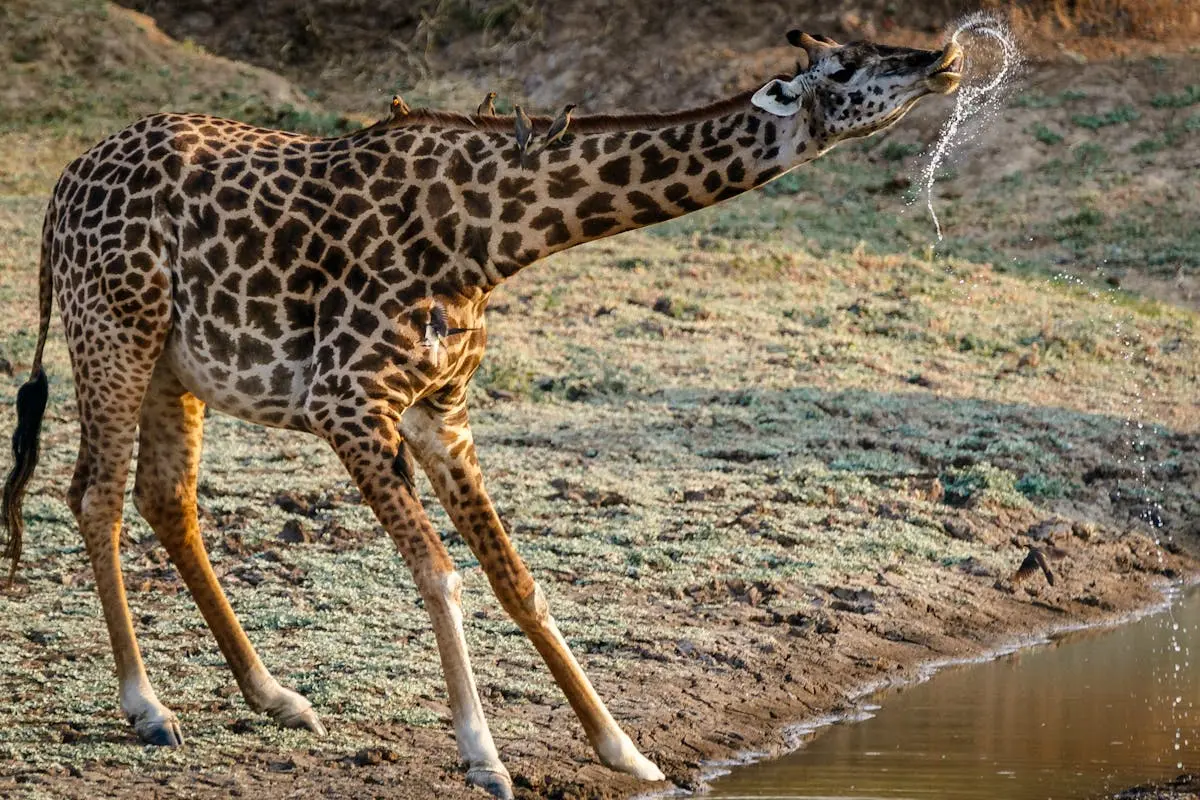
    Giraffe Drinking Water

    Encounter Rwanda’s Unique Wildlife

    Rwanda is home to some of the world’s most incredible and endangered species. On a safari, you have the chance to see mountain gorillas, golden monkeys, and a variety of other wildlife that roam the lush forests and savannahs. The country’s star attraction is undoubtedly the mountain gorillas. These gentle giants can be found in Volcanoes National Park, and encountering them is a unique experience that will leave you with memories to last a lifetime. Expert guides lead you through dense, misty forests, providing insights into the habits and social structures of these magnificent creatures as you journey to observe them in their natural habitat.

    Rwanda’s commitment to conservation is evident in the thriving populations of its many species. For instance, the golden monkeys, which can also be spotted in Volcanoes National Park, are another highlight. These playful primates leap through bamboo forests and interact with their environment in a way that is delightful to observe. In addition to primates, Akagera National Park is where you can spot the Big Five: lions, leopards, rhinoceroses, elephants, and buffalos. The park’s diverse habitats, from savannah plains to wetlands, create the perfect settings for rich biodiversity to flourish.

    For bird watchers, Rwanda is a paradise with over 700 bird species. From the iconic shoebill to the vibrant sunbirds, each park visit promises sightings of unique and rare birds. Nyungwe Forest National Park, in particular, is noted for its avian diversity and offers an excellent opportunity for enthusiasts to add to their bird-watching lists. This park is not only a haven for birds but also supports hundreds of other species, making it an integral part of Rwanda’s rich natural tapestry.

    Explore the Beautiful National Parks

    Rwanda’s national parks, such as Volcanoes National Park and Akagera National Park, offer diverse habitats and stunning scenery. Each park presents unique opportunities to experience the natural beauty and wildlife of Rwanda. For instance, Volcanoes National Park is renowned for its mountainous terrain and mist-covered forests that serve as the habitat for the mountain gorillas. The park also hosts the annual Kwita Izina Gorilla Naming Ceremony, an event that underscores the importance of gorilla conservation efforts Discover more.

    Akagera National Park, on the other hand, provides a different yet equally mesmerizing experience. Comprising savannah, swamps, lakes, and the Akagera River, the park has undergone significant restoration and now boasts a thriving ecosystem that supports a wide array of wildlife. Visitors can enjoy traditional safari drives, boat safaris, and guided nature walks, all offering different perspectives and chances to witness the park’s incredible inhabitants Explore more activities.

    Equally enchanting is Nyungwe Forest National Park, home to one of Africa’s oldest montane forests. Nyungwe offers exceptional hiking trails that wind through dense foliage, stunning waterfalls, and scenic viewpoints. One of the highlights here is the canopy walkway, a suspended bridge high among the treetops that offers breathtaking views of the forest below and opportunities to spot various bird and primate species Learn about the joys of exploring Rwanda.

    Each of these parks not only showcases Rwanda’s natural beauty but also its commitment to sustainable tourism. Efforts to protect and conserve these areas ensure that both wildlife and local communities benefit, creating a model for eco-friendly tourism that other countries can follow.

    Experience the Rich Biodiversity

    With its variety of ecosystems, Rwanda is a haven for biodiversity. From rainforests teeming with life to sweeping savannahs, the country’s landscapes are as diverse as the species they support. For instance, the Akagera Wetlands are vital to numerous bird species and mammals. These landscapes are ever-changing and offer new surprises with each visit. The interconnectedness of these ecosystems means that safeguarding one area effectively protects many species, highlighting the importance of conservation efforts in protected areas like these Understand the significance.

    Volcanoes National Park’s cloud forests are another example of Rwanda’s rich biodiversity. Besides mountain gorillas, you can find golden monkeys, elands, duikers, and a multitude of bird species that thrive in these cooler, higher-elevation habitats. This range of ecosystems within a relatively small area means you can experience a broad spectrum of wildlife during your safari visit.

    The diversity of flora is equally impressive. Rwanda’s parks are home to many endemic plant species, providing essential habitats and sustenance for the country’s rich array of fauna. These biodiverse environments are celebrated not only for their ecological importance but also for their role in cultural heritage and tourism.

    Such biodiversity also plays a critical role in the local communities’ way of life, providing resources and opportunities for eco-tourism. Integrating conservation with community benefits has become a hallmark of Rwanda’s approach, fostering a symbiotic relationship between humans and nature.

    Immerse Yourself in Rwanda’s Culture and History

    Beyond the natural beauty, Rwanda offers a profound cultural experience. Visiting local communities and learning about the country’s history enriches your safari, making it not just a wildlife adventure, but a cultural journey as well. While trekking, you can often visit nearby villages where you’ll be welcomed by locals eager to share their stories and traditions. Interacting with the welcoming Rwandan people provides authentic insight into their daily lives, crafts, and customs. These cultural exchanges deepen the safari experience, offering visitors a broader understanding of the intricate connections between Rwanda’s people and its natural environments.

    Furthermore, Rwanda’s history is palpable, with poignant sites such as the Kigali Genocide Memorial providing sobering yet essential context for the country’s progress and resilience. Understanding this history enriches the safari experience, adding depth to what you see and learn during your visit. Seeing the country’s vibrant culture and dynamic community life juxtaposed with its conservation efforts underscores the comprehensive approach Rwanda takes in preserving its heritage.

    You’ll also find numerous opportunities to explore Rwanda’s culinary heritage. The country’s cuisine reflects its rich agricultural regions, offering fresh and flavorful dishes that bring unique Rwandan traditions to your table. From enjoying local delicacies to taking part in traditional cooking classes, your palate will be as engaged as your other senses Delight in the culinary experience.

    Enjoy Eco-Friendly and Sustainable Tourism

    Rwanda’s commitment to sustainable tourism ensures that your safari is environmentally responsible and supports conservation efforts. By choosing Rwanda, you contribute to the preservation of its incredible wildlife and natural habitats. The country has enacted numerous eco-friendly policies, such as banning plastic bags and implementing monthly community clean-ups known as Umuganda, which keep the environment pristine and sustainable Read more about Rwanda’s green practices.

    Many lodges and tour operators, like Sambora Kinigi, prioritize sustainability by supporting local communities and reducing their environmental footprint. These initiatives ensure that tourism development aligns with conservation goals, making sure every visitor leaves a positive impact and helps sustain Rwanda’s natural and cultural treasures.

    Eco-lodges such as Sambora Kinigi offer an excellent example of how luxury and eco-consciousness can go hand-in-hand. These accommodations not only provide comfort and indulgence but also incorporate sustainable practices such as using renewable energy sources, sourcing food locally, and minimizing waste. This approach allows you to enjoy the beauty and luxury of Rwanda without compromising on your environmental principles.

    Capture Unforgettable Memories

    A Rwanda safari offers countless opportunities to capture breathtaking photographs and create lasting memories. Whether you’re a seasoned photographer or simply enjoy taking photos, you’ll find no shortage of picturesque moments. From the majestic scenery of Volcanoes National Park to the intimate encounters with wildlife, every step provides a new opportunity to capture the essence of Rwanda’s natural beauty.

    Photographing the gorillas up close, with their expressive faces and human-like interactions, is an unparalleled experience. Other captivating subjects include the golden monkeys, vibrant bird species, and stunning landscapes that form the backdrop of your adventure Explore photography tips for capturing wildlife and landscapes.

    Additionally, the memories made during cultural interactions are just as valuable. Capturing the joyful expressions of local children, the rich textures of traditional crafts, and the vibrant colors of Rwandan attire will enrich your photo album and give you a deeper appreciation of the Rwandan way of life. Each photograph serves as a reminder of your journey, encapsulating moments of awe, wonder, and connection.

    Embark on Your Unforgettable Rwanda Safari Adventure

    In conclusion, a Rwanda safari promises an unparalleled experience for nature lovers looking to immerse themselves in the beauty and diversity of the wild. With its rich biodiversity, stunning landscapes, and profound cultural immersion, Rwanda provides a unique adventure that will leave a lasting impression on your heart and soul.

  • Embrace Tranquility: The Comfort of Luxury Cottages in Volcanoes National Park

    Embrace Tranquility: The Comfort of Luxury Cottages in Volcanoes National Park

    Volcanoes National Park is not just a breath-taking natural wonder; it is also home to some of the most serene and luxurious cottages that invite you to unwind amidst nature’s splendor. In this blog, we will explore the unique comforts offered by these luxury cottages, showcasing why they are the perfect retreat for anyone looking to escape the hustle and bustle of everyday life. From stunning views to exceptional amenities, luxury cottages provide an experience like no other.

    The Allure of Volcanoes National Park

    Nestled in the heart of towering mountains and lush greenery, Volcanoes National Park captures the imagination of all who visit. The park boasts dramatic landscapes formed by volcanic activity, offering a unique perspective on the natural world. With its rich biodiversity, diverse ecosystems, and awe-inspiring vistas, it’s no wonder that travelers from around the globe flock here to connect with nature.

    The allure of Volcanoes National Park lies in its ability to transport visitors into a realm of untouched beauty. Think of logging miles of hiking trails that run through the park, where each step unveils a new breathtaking view. The fresh mountain air, filled with the scent of pine and wildflowers, invigorates the senses, providing a refreshing escape from daily life. Whether you are an avid adventurer or someone seeking solitude, this park caters to all preferences.

    Moreover, the cultural significance of the park cannot be overlooked. This land is imbued with the history and traditions of the communities who have called it home. The connections between the land and the people create a rich tapestry of experiences that visitors can feel. Witnessing the ancient volcanic formations alongside experiencing the vibrant wildlife adds depth to your journey through this captivating locale.

    What to Expect from Luxury Cottages

    When you think of luxury cottages, envision spaces that seamlessly blend elegance with the comforts of home. These charming lodgings offer an inviting retreat where every detail has been thoughtfully considered for a delightful stay. From the moment you step inside, you’ll be enveloped in a cozy ambiance, enhanced by warm lighting and tasteful decor that reflects the natural surroundings.

    Expect well-appointed living areas equipped with plush furnishings and amenities that make you feel pampered. Picture a crackling fireplace, large windows showcasing stunning views of the majestic landscapes, and outdoor patios that invite you to relax with a cup of coffee while soaking in the serene environment. The experience of staying in luxury cottages transcends mere accommodation; it’s an immersion into comfort where every element is designed for your pleasure.

    Additionally, these cottages prioritize privacy, allowing you to escape the noise of everyday life. With only a handful of units nestled throughout the property, you can indulge in tranquility without the disruption of large crowds. The serene setting, combined with luxurious touches such as high-quality linens and gourmet kitchens, ensures that your stay is both relaxing and restorative. It’s an experience that invites you to unwind and detach from the fast pace of modern living.

    Embracing Nature: Stunning Views and Secluded Locations

    One of the defining features of luxury cottages in Volcanoes National Park is their breathtaking locations. Set against the backdrop of expansive forests, rolling hills, and sweeping vistas, these cottages allow for uninterrupted interaction with nature. Each morning offers the chance to awaken to the sight of mist rolling over the mountains or witness the vibrant colors of the sunset light up the sky in the evening.

    The seclusion afforded by these luxury cottages enhances the experience of immersing oneself in the natural splendor of the park. Many cottages are situated far from the trails and roads, providing an intimate retreat where you can hear the whispers of the forest and the melodies of birdsong. This level of tranquility creates a sanctuary that invites reflection and connection with your surroundings.

    Moreover, with extensive outdoor spaces, guests are encouraged to explore their natural surroundings. Whether it’s enjoying a morning yoga session on the deck, embarking on a leisurely hike through nearby trails, or simply gazing at the stars from the porch at night, these luxury cottages foster a deeper appreciation of the environment. The beauty of each season transforms the landscape, providing unforgettable views and opportunities to engage with the natural world.

    Amenities That Make a Difference

    In the realm of luxury cottages, thoughtful amenities elevate the overall experience. Imagine returning from a day of adventure to find a private hot tub bubbling away under a canopy of stars. Many cottages also feature stunning outdoor fire pits, which create the perfect setting for cozy evenings filled with laughter and storytelling.

    Inside, fully-equipped kitchens allow you to prepare your favorite meals with fresh, local ingredients sourced from nearby markets. Enjoy dining al fresco, with nature’s beauty serving as your backdrop. For those who wish to indulge, many luxury cottages offer the option of having personal chefs prepare gourmet meals for a truly pampered experience.

    Furthermore, modern conveniences such as high-speed internet, entertainment systems, and luxurious bathroom amenities resonate well with those seeking a balance of adventure and comfort. It’s this unique mix of excitement and relaxation that sets luxury cottages apart, ensuring you can enjoy a splendid retreat without missing out on the pleasures of life.

    The Local Culture and Activities to Enjoy

    The beauty of Volcanoes National Park extends beyond its landscapes; it is also rich in culture and community. Engaging with local traditions can enhance your experience, making your stay even more memorable. Many luxury cottages can give you access to local artisans and cultural events that celebrate the heritage of the area, providing an opportunity to connect with the community.

    Activities abound for both adventure seekers and those looking for a relaxed experience. Guided tours can lead you through the park’s impressive trails, where you can learn about the flora, fauna, and geological formations. For the more adventurous, options such as hiking, wildlife watching, and exploring lava tubes offer thrilling ways to engage with the landscape.

    On the other hand, if you prefer a slower pace, consider immersing yourself in local wellness workshops or joining art and cooking classes offered by nearby locals. These activities provide a creative outlet and a chance to meet new friends while you relish the tranquility of your surroundings. The blend of nature and culture creates a truly enriching experience that lingers long after your stay.

    Planning Your Stay: Tips for the Perfect Getaway

    When considering a getaway to Volcanoes National Park, planning is key to maximizing your experience. Begin by deciding on the ideal time to visit; each season presents unique opportunities to admire the beauty of nature. Spring brings vibrant blooms, while summer is perfect for longer hikes. Fall’s foliage adds a burst of color, and winter can transform the landscape into a serene wonderland.

    It’s wise to research the luxury cottages available, comparing not just amenities but also their proximity to attractions you wish to explore. Consider whether you prefer a cottage with a mountain view, one that offers seclusion, or perhaps one closer to the entrance of the park. Making informed decisions based on your personal preferences ensures you find the perfect home away from home.

    Lastly, packing thoughtfully can enhance your stay. Bring comfortable clothing suitable for both outdoor activities and cozy evenings by the fireplace. Don’t forget the essentials like hiking boots and layered clothing, as mountain weather can be unpredictable. With your plans in place, all that’s left is to embrace the magic of Volcanoes National Park and the luxury cottages that beckon you to unwind and recharge.

    Final Thoughts on Your Tranquil Retreat

    In conclusion, the luxury cottages in Volcanoes National Park present an unparalleled opportunity to connect with nature while indulging in modern comforts. They offer an escape that allows you to breathe deeply, relax, and savor the beauty surrounding you. Whether you’re on a romantic getaway or a family vacation, these cottages are designed to enhance your experience and create cherished memories.

  • How Does a Rwanda Safari Support Conservation Efforts?

    How Does a Rwanda Safari Support Conservation Efforts?

    Exploring the natural beauty of Rwanda through a safari not only provides unforgettable experiences but also plays a vital role in conservation efforts. This guide delves into how engaging in a Rwanda safari can benefit both wildlife and local communities.

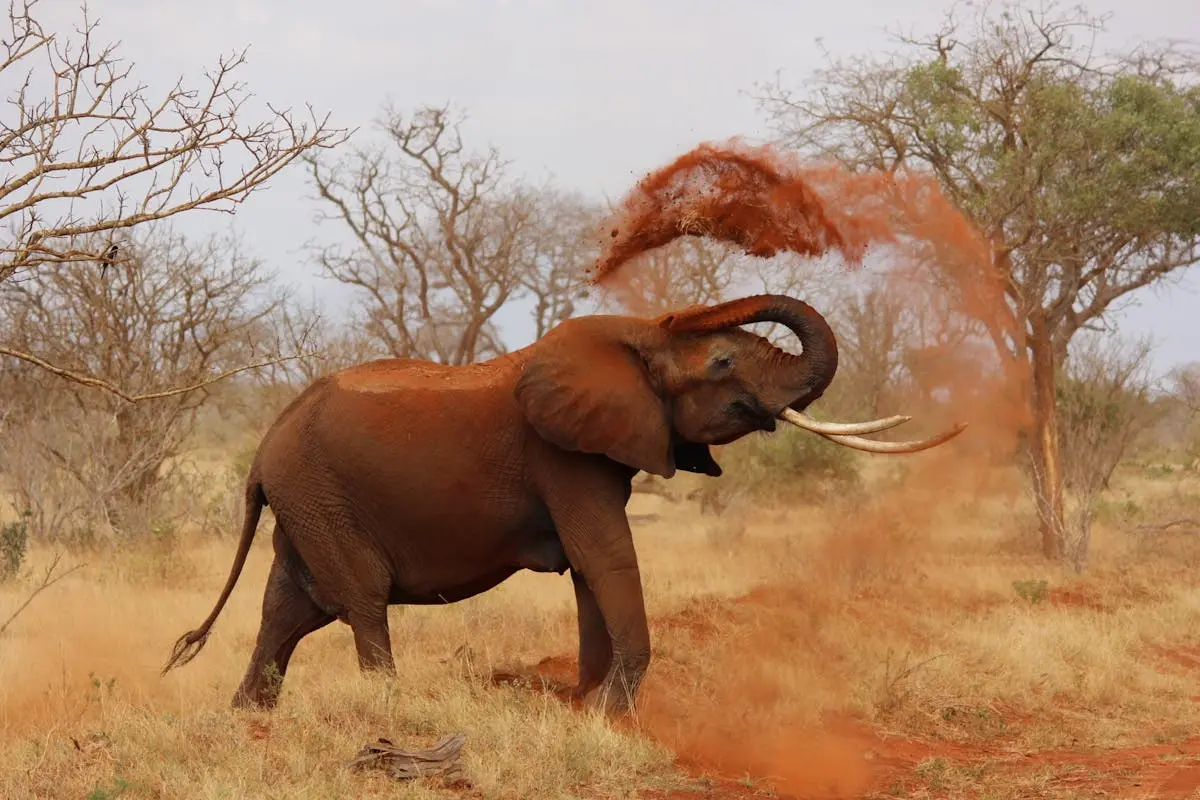
    Grey Elephant Throwing Sand With Trunk Near Green Trees

    Understanding the Role of Ecotourism

    Ecotourism is a cornerstone of sustainable travel, and Rwanda is a shining example of what it can achieve. By choosing a Rwanda safari, you’re not just observing wildlife; you’re actively participating in its preservation. This connection is essential for the protection of the unique ecosystems that exist within the country’s borders.

    One of the most significant benefits of ecotourism is its ability to raise awareness about environmental issues. When tourists visit Rwanda, they learn about the delicate balance of the ecosystems they explore and the threats to them. This knowledge empowers visitors to become advocates for conservation, even after they return home.

    Additionally, the funds generated from ecotourism directly contribute to conservation initiatives. These initiatives often include anti-poaching measures and habitat restoration projects, which are crucial for the survival of iconic species such as the mountain gorilla.

    How Safaris Help Fund Conservation Projects

    The revenues from Rwanda safaris play a critical role in funding conservation projects. Safari companies are required to allocate a portion of their profits to wildlife conservation, ensuring that the benefits of tourism extend beyond just the experience of the traveler.

    For instance, national parks like Volcanoes National Park rely heavily on entrance fees from tourists to support their operations. This funding aids in park management, anti-poaching patrols, and biodiversity monitoring, all vital for the health of the park’s ecosystem. Without these funds, many of these projects would struggle to survive.

    Moreover, the preservation efforts supported by these safaris can create a ripple effect. When wildlife thrives, it attracts more visitors, which in turn generates more funds for conservation. This cyclical nature of ecotourism demonstrates how participating in a Rwanda safari goes hand-in-hand with environmental stewardship.

    Supporting Local Communities through Tourism

    Rwanda safaris go beyond wildlife conservation; they also embrace community support. Many safari companies partner with local communities to ensure that a portion of the profits is reinvested into these areas. This provides employment opportunities and creates a sense of ownership among locals.

    When communities benefit from tourism, they are more likely to engage in protecting their natural heritage. For example, through community-based tourism initiatives, locals are trained to become guides or develop sustainable crafts that showcase Rwandan culture. This not only enhances their livelihoods but fosters a collective effort toward conservation.

    Empowering communities through tourism creates a win-win situation. Locals gain economically, while tourists enjoy authentic and enriching experiences. This closeness to the local culture adds immense value to a Rwanda safari, making every visit uniquely rewarding for both visitors and residents.

    Promoting Wildlife Awareness

    A Rwanda safari is an eye-opener for many who embark on the journey. Witnessing wildlife in its natural habitat fosters a deep appreciation for these magnificent creatures. This firsthand experience is transformative, igniting a passion for conservation among travelers.

    Guided tours often incorporate education about the species being observed and the challenges they face, such as habitat loss and poaching. This knowledge not only enhances the safari experience but also encourages visitors to share their newfound insights with friends and family, spreading awareness far beyond Rwanda.

    Furthermore, stories of success in conservation projects, like the recovery of the mountain gorilla population, inspire hope. These narratives remind us that collective efforts can lead to remarkable change. Being part of that narrative by participating in a Rwanda safari is both impactful and rewarding.

    Choosing Responsible Safari Operators

    Choosing the right safari operator can significantly amplify the positive impact of your experience. Responsible operators adhere to ethical practices that prioritize wildlife conservation and community engagement. It’s essential to research and select those who align with sustainable tourism principles.

    Look for companies that emphasize eco-friendly practices, such as minimizing waste, utilizing renewable resources, and contributing to conservation projects. Many reputable operators offer transparent insights into how they allocate funds for environmental initiatives, ensuring guests know their contributions make a difference.

    By supporting responsible safari operators, you are not only enriching your travel experience but also championing conservation efforts. Your choice matters, and it can lead to lasting benefits for both the wildlife you adore and the communities you visit during your Rwanda safari.

    The Impact of Your Safari Experience

    Participating in a Rwanda safari is more than just an adventure; it’s a powerful way to contribute to conservation efforts. The tourism industry directly supports wildlife protection and community development, ensuring a sustainable future for Rwanda’s rich biodiversity.

  • 10 Fascinating Facts About Mountain Gorillas You Didn’t Know

    10 Fascinating Facts About Mountain Gorillas You Didn’t Know

    Mountain gorillas are among the most majestic and mysterious creatures roaming our planet. Despite their prominence in research and conservation efforts, there’s still so much to learn about these gentle giants. Diving into the world of mountain gorillas reveals tales of strength, family bonds, and survival against the odds. In this blog, we’ll uncover some of the most fascinating facts about these incredible animals that you probably didn’t know.

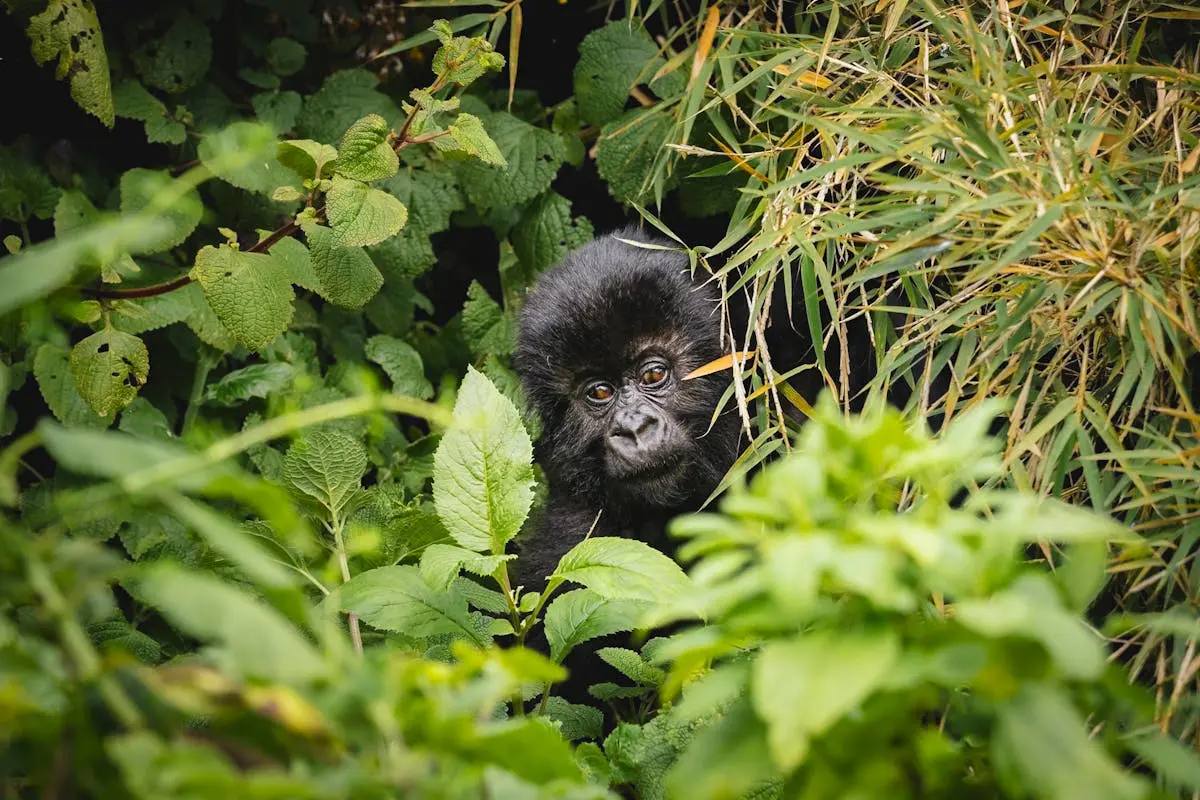
    Monkey Head among Plants in Forest

    1. Unique Fingerprints

    Much like humans, mountain gorillas have unique fingerprints. No two gorillas have the same pattern, making it an invaluable tool for researchers to identify individuals in the wild. This trait further emphasizes the closeness of our specie, showcasing a form of individuality among these majestic creatures.

    2. Kings of Their Habitat

    Mountain gorillas are adapted to life in various altitudes, yet they have a special affinity for the dense, montane and bamboo forests. They are spread across the Democratic Republic of Congo (DRC), Rwanda, and Uganda, living in sanctuaries like the Bwindi Impenetrable National Park and the Virunga Massif. These areas are crucial not only for the survival of the gorillas but also support a rich biodiversity that includes countless other species.

    3. A Vegetarian Diet

    Despite their imposing size, mountain gorillas primarily consume a vegetarian diet consisting of roots, shoots, fruit, wild celery, and tree bark. An adult male can eat up to 34 kilograms of vegetation each day to sustain their massive bodies. This diet is crucial for their health, providing necessary nutrients and hydration, since they rarely drink water directly, opting instead to absorb moisture from their leafy meals.

    4. Complex Social Structures

    Mountain gorilla society is deeply intricate, centered around family groups known as troops or bands. Led by a dominant silverback, these groups include multiple females, juveniles, and babies. Apart from offering protection, silverbacks maintain peace within the group, mediate conflicts, and decide on the daily movements in search for food. This social cohesion plays a crucial role in their survival, offering a glimpse into the complexity of their emotional and intellectual world.

    5. Communicating Through Sounds

    Communication among mountain gorillas is sophisticated, consisting of at least 25 different vocalizations. These range from soft grumbles, indicating contentment, to powerful roars and screams, used in situations of distress or to ward off intruders. The ability to convey messages through sounds is vital for maintaining group cohesion and ensuring the well-being of each member.

    6. Playtime is Important

    For mountain gorillas, play is not just about fun; it’s an essential part of their development and social interaction. Juvenile gorillas are often seen tumbling, wrestling, and swinging through trees, much like human children. These activities help them to develop strength, learn social cues, and establish their place within the troop. It’s a beautiful sight that underscores the joys found in the natural world.

    7. Long Lives

    In the wild, mountain gorillas can live to be over 40 years old, a testament to their resilience and the conservation efforts to protect them. This longevity is remarkable considering the threats they face, from habitat loss to poaching. Each birthday is a victory, celebrating the triumph of life over the numerous challenges they encounter in their daily existence.

    8. The Role of Silverbacks

    The silverback is the undisputed leader of the mountain gorilla troop, responsible not only for the group’s safety but also for making decisions about daily activities, such as foraging and nesting. His leadership is a blend of gentle patience and formidable strength, a balance that ensures the stability and prosperity of the group. These males earn their distinguished silver coloring as they mature, a badge of their wisdom and status within the group.

    9. Endangered Beauties

    Despite ongoing conservation efforts, mountain gorillas remain critically endangered. Threats such as habitat destruction, human encroachment, and disease threaten their existence. Celebrated initiatives like Rwanda’s annual Kwita Izina gorilla naming ceremony highlight the importance of community involvement in conservation efforts, a beacon of hope for these magnificent animals.

    10. Conservation Through Tourism

    Eco-tourism plays a pivotal role in mountain gorilla conservation, providing the funds necessary to protect and study these animals. Controlled and respectful tourism helps to fund national parks and conservation programs, ensuring that mountain gorillas can thrum in their natural habitat for future generations to admire and learn from.

  • Explore the Magic of Volcanoes National Park, Rwanda: The Perfect Romantic Getaway

    Explore the Magic of Volcanoes National Park, Rwanda: The Perfect Romantic Getaway

    If you and your partner are seeking a unique and captivating destination for your next romantic getaway, look no further than Volcanoes National Park in Rwanda. Nestled in the heart of the Virunga Mountains, this stunning national park offers breathtaking landscapes, diverse wildlife, and an array of adventurous activities that make it an unforgettable experience for couples. From intimate hikes through lush forests to encounters with majestic gorillas, Volcanoes National Park is a dream come true for lovers of nature and adventure alike.

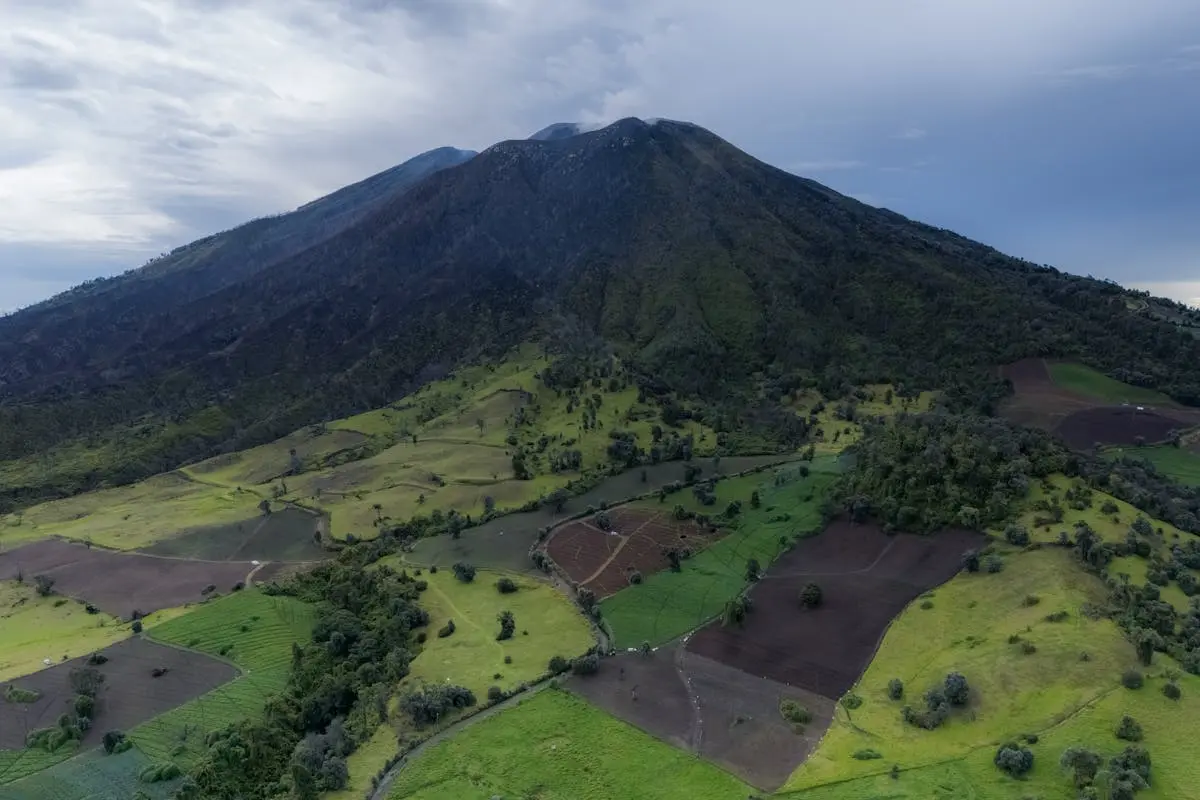
    An aerial view of a volcano with green grass

    Why Choose Volcanoes National Park for Your Romantic Getaway?

    Choosing Volcanoes National Park for our 30th wedding anniversary was an easy decision. The allure of its breathtaking beauty and the promise of adventure made it an ideal backdrop for rekindling our romance. Surrounded by dramatic landscapes, lush forests, and the unique opportunity to see mountain gorillas in their natural habitat, we felt that the park had a magical quality that drew us in. Moreover, the tranquil atmosphere and vibrant culture offered everything we needed for a perfect romantic getaway.

    Not to mention, the charm of Rwandan hospitality left us feeling welcomed and cherished. Our stay at Sambora Kinigi was just the icing on the cake. The cozy ambiance of the lodge, combined with the stunning views of the nearby volcanoes, made our experience truly unforgettable. Every moment spent here contributed to the atmosphere of intimacy, allowing us to celebrate our milestone in a place that felt both serene and incredibly alive.

    Romantic Activities to Enjoy Together

    From sunrise hikes to evening strolls under the stars, the activities available in Volcanoes National Park catered perfectly to our romantic inclinations. We embraced the thrill of exploring the park hand in hand. Each adventure felt like another brushstroke on the canvas of our love story. The variety of activities ranged from guided nature walks to thrilling wildlife encounters, all of which allowed us to bond over shared experiences.

    One of the highlights was a memorable afternoon spent birdwatching. As we wandered the trails, we enjoyed the vibrant colors and melodious calls of the local bird species. It was a serene moment that provided us with the perfect opportunity to reconnect with each other amid the beauty of nature. Additionally, joining a local cultural performance filled our hearts with joy as we participated in traditional dances, forging a deeper connection with Rwanda’s heritage.

    Nature Walks: Explore the Lush Surroundings Hand in Hand

    Strolling through the lush surroundings of Volcanoes National Park felt like a page ripped from a romantic novel. The trails, adorned with rich greenery and chirping birds, beckoned us to let nature embrace us in its tranquil grip. Walking side by side, we shared stories and dreams, each step deepening our bond and rekindling that spark of love. The fresh scent of the earth, mingling with the gentle rustling of leaves, created an enchanting symphony that we would carry in our hearts long after our visit.

    On one of our nature walks, we stumbled upon a quiet nook where the world faded away. The sunlight filtered through the canopy above, casting a dappled effect that felt almost magical. We took a moment to indulge in the beauty around us, letting ourselves be fully present in that perfect little oasis. It’s moments like these that remind you why you chose to spend a lifetime with someone—those shared experiences that knit your hearts closer. The park’s beauty had a way of weaving itself into our story.

    Gorilla Trekking: An Unforgettable Adventure

    Among the myriad adventures, nothing compares to the magic of gorilla trekking. This experience brought us face-to-face with these gentle giants in their natural habitat. Our hearts raced with excitement and awe as we set off, a sense of anticipation hanging in the air. The trek required effort, but each step brought us closer to the thrill of witnessing one of nature’s wonders, an adventure that felt like something straight out of a fairy tale.

    When we finally encountered the gorillas, the sight was simply breathtaking. A mother cradling her baby, a silverback observing us with gentle curiosity–it was a moment I will remember for a lifetime. In that instant, time seemed to stand still as we shared a connection that transcended words. This encounter deepened our appreciation for nature, and witnessing it together was a reminder of how vital it is to cherish these moments in life. Trekking for gorillas not only recharged our spirits but strengthened our bond in ways we never expected.

    Cultural Experiences: Connect with Rwanda’s Heritage

    In addition to the natural wonders, immersing ourselves in Rwanda’s rich culture deepened our experience. We visited local villages where the vibrant traditions and warm smiles of the people welcomed us. Interacting with the locals gave us insight into their daily lives and customs, allowing us to form genuine connections. The stories they shared were woven with history and resilience, shedding light on Rwanda’s incredible transformation over the years.

    We even participated in a cooking class, which was both a delightful and informative way to experience Rwandan cuisine. Learning to make traditional dishes together added a new layer to our culinary repertoire and provided laughs along the way. As we savored our creations, it was a testament to how food can unite people and tell a story. Engaging with the local culture made our romantic getaway truly unique, and sharing these experiences together made them all the more special.

    Where to Stay: Romantic Accommodations in the Park

    Sambora Kinigi was the perfect romantic retreat for our anniversary. The lodge’s charms made it a haven of relaxation and intimacy. From the moment we arrived, we were enveloped in the warm hospitality that Rwandans are known for. Our room offered stunning views of the volcanoes, which created a picturesque backdrop for our stay. Each morning, we woke to the sound of birds singing and the sun rising over the mountains—a truly magical way to start our days.

    In the evenings, we gathered around the lodge’s cozy fireplace, sharing stories with fellow travelers as the stars twinkled overhead. The ambience was nothing short of enchanting. Romantic dinners featuring locally sourced dishes brought us closer together, and each bite of food felt like a flavor of Rwanda on our palettes. We took every opportunity to savor both the incredible cuisine and the stunning views. The combination of luxury and nature at Sambora Kinigi made our getaway not just pleasant, but extraordinary.

    Planning Your Trip: Essential Tips for Couples

    Planning your romantic getaway to Volcanoes National Park requires careful thought to ensure a seamless experience. Start by booking your accommodations well in advance, especially if you’re traveling during peak season. This gives you the opportunity to choose from several romantic lodging options, including boutique lodges and eco-friendly lodges. Last-minute bookings can lead to disappointment, so early planning can help secure the perfect setting for your special trip.

    Additionally, it’s essential to consider your itinerary. Mix adventurous activities with relaxing moments to find the right balance for your trip. Be sure to allocate enough time for gorilla trekking, as it’s a once-in-a-lifetime experience that deserves your full attention. Don’t forget to set aside some leisure time to bond over a slow breakfast or cozy evenings reflecting on the memories you’re creating together. With planning and intention, you can make the most of your time in this breathtaking paradise.

    Create Lasting Memories in a Romantic Paradise

    Volcanoes National Park is truly a magical destination that caters to all kinds of romance, whether you’re seeking quiet moments in nature or thrilling adventures together. With its rich biodiversity, stunning scenery, and a range of activities designed for couples, it’s no surprise that this park has become a top choice for romantic getaways. So pack your bags, bring your sense of adventure, and get ready to create lasting memories in this enchanting corner of Rwanda.

  • Key Facts About Gorillas In The Wild

    Key Facts About Gorillas In The Wild

    Gorillas, the majestic giants of the jungle, have fascinated humans for centuries. In this blog, we’ll delve into the key aspects of their lives in the wild, shedding light on common myths and providing insights into their behavior, diet, and societal structures. Join us on an engaging journey into the world of gorillas.

    What Are Gorillas?

    Gorillas are a cornerstone of the African rainforest, the largest of all primates and our very close genetic relatives, sharing 98% of their DNA with humans. These remarkable beings are divided into two species: the eastern and western gorillas, and then further into several subspecies, the most famous being the mountain gorilla. Recognized for their powerful build and yet gentle demeanor, gorillas play a crucial role in maintaining the biodiversity of their habitats.

    Despite their size and strength, gorillas primarily lead a peaceful existence. They are predominantly herbivores, spending a significant portion of their day foraging for food across the dense vegetation of the forests in central Africa. Their social life is intricately structured around family units known as troops or bands, led by a dominant male known as the silverback.

    Where Do Gorillas Live?

    Gorillas inhabit the dense rainforests and montane forests across central Africa. These majestic creatures are primarily found in countries like Rwanda, Uganda, the Democratic Republic of Congo, Gabon, and Nigeria. Each species and subspecies of gorilla prefers slightly different habitats, from lowland swamps to mountainous bamboo forests, with mountain gorillas living at elevations up to 4,000 meters.

    Understanding Gorilla Behavior

    Gorillas are fascinating creatures with complex behaviors and social structures. Their day is spent foraging, resting, and interacting within their troop. Communication among gorillas includes an array of vocalizations, facial expressions, and postures. Silverbacks, the leaders of the troop, play a critical role in decision-making and maintaining order, often demonstrated through displays of strength rather than actual aggression.

    Diet of a Gorilla

    Contrary to their intimidating appearance, gorillas maintain a largely vegetarian diet, consisting of leaves, stems, fruits, and occasionally insects. Some gorilla troops, depending on their habitat, may also consume small amounts of bark or roots. The diet is high in fiber and requires the gorillas to spend a significant part of their day eating to meet their energy needs.

    Are Gorillas Aggressive?

    The common portrayal of gorillas as fierce and aggressive creatures is a widespread misconception. In reality, gorillas are quite gentle and shy; they only become aggressive when they feel threatened. The famous ‘chest-beating’ by male gorillas is more about communication within the troop and deterrence rather than aggression towards others. It’s crucial to respect their space and observe them from a distance, allowing for a peaceful coexistence between humans and gorillas in the wild (Are Gorillas Dangerous? The King Kong Myth…).

    The Social Structure of Gorilla Families

    The social life of gorillas is incredibly intricate and revolves around the family group or troop. Led by a silverback, the troop includes multiple females, their offspring, and occasionally some younger males known as ‘blackbacks.’ The silverback makes all the decisions, from feeding to movement and even mediating conflicts within the group. The bond within a gorilla family is strong, with females often staying in a group for life and males leaving only to establish their own troop.

    The Importance of Conservation

    Gorilla populations are under threat from habitat destruction, poaching, and disease. Conservation efforts are critical to ensure their survival, involving habitat preservation, anti-poaching patrols, and public education about the importance of gorillas to the ecosystem. The Kwita Izina Gorilla Naming Ceremony is a significant event in Rwanda that celebrates life, unity, and conservation efforts towards protecting mountain gorillas and their habitat, emphasizing the bond between humans and gorillas.

    Sustaining gorilla populations not only benefits the environment but also local communities through eco-tourism, which provides a source of income and an incentive to protect these magnificent creatures. Supporting responsible tourism and conservation organizations can have a profound impact on the future of gorillas in the wild.

    A Closer Bond with Our Gentle Giants

    Understanding gorillas in their natural habitat allows us to appreciate the complexity and beauty of these magnificent creatures. By dispelling myths, such as unwarranted fears about aggression, and highlighting their social structures and roles in the ecosystem, we can foster a deeper respect and commitment to their conservation. Let’s carry forward the message of coexistence and protection for these incredible beings. Visit our homepage to learn how you can contribute to gorilla conservation efforts.

  • Conservation Efforts and Rwanda Wildlife: What You Need to Know

    Conservation Efforts and Rwanda Wildlife: What You Need to Know

    Rwanda, often referred to as the ‘land of a thousand hills’, is not just known for its breathtaking landscapes but also for its diverse and vibrant wildlife. From the famous mountain gorillas to the elusive leopards, Rwanda is a haven for wildlife enthusiasts. However, the journey towards conservation has not been easy. This blog delves into the heart of Rwanda’s wildlife conservation efforts, exploring the triumphs, challenges, and what the future holds for this beautiful country’s fauna.

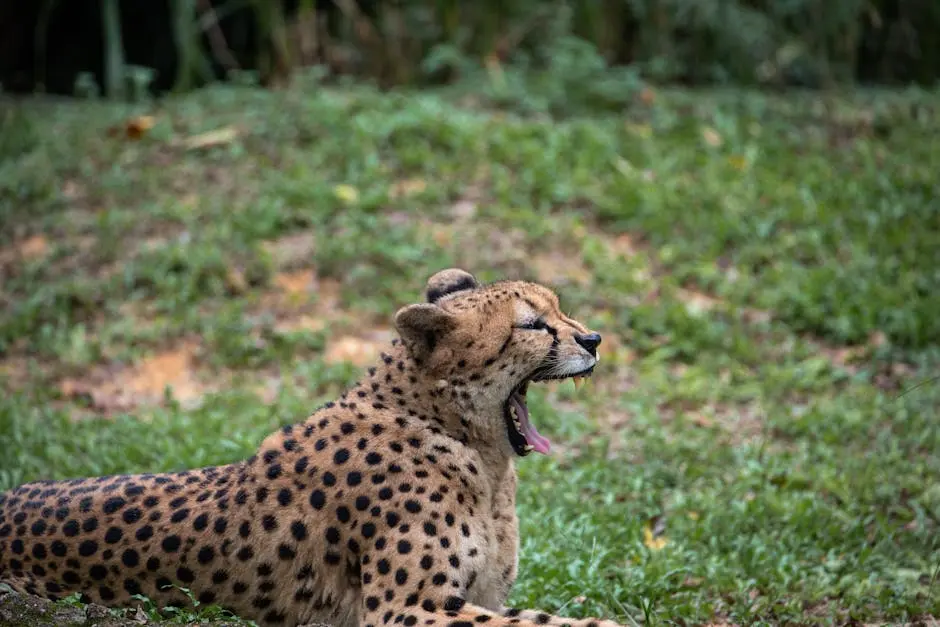
    A cheetah is laying down in the grass

    The Landscape of Rwanda: A Natural Haven for Wildlife

    Rwanda’s unique topography creates a mosaic of ecosystems, each fostering a distinct array of biodiversity. From the montane rainforests of the Virunga Volcanoes to the ancient afro-montane forests of Nyungwe, the natural beauty of Rwanda is unparalleled. The Volcanoes National Park, a part of the Virunga Massif, not only provides a sanctuary for the critically endangered mountain gorillas but is also a testament to Rwanda’s commitment to preserving its natural heritage. This diverse landscape supports a myriad of species, making Rwanda a key player in the global biodiversity conservation arena.

    Rwanda’s wildlife conservation journey is a tale of resilience and innovation. The country’s progressive approach has seen the transformation of Akagera National Park from a once poaching-devastated land to a thriving savannah, home to lions, rhinos, and elephants. This revival story, documented in Rwanda’s Akagera National Park: A Success Story Of Conservation And Community Development, highlights the positive impact of effective management and community involvement. Rwanda’s success in Akagera offers hope and a model for conservation efforts globally.

    The Plight of Rwanda’s Wildlife: A Historical Overview

    Historically, Rwanda’s wildlife faced numerous threats, from habitat loss to poaching, pushing some species to the brink of extinction. The country’s darkest hour came after the 1994 genocide against the Tutsi, which not only devastated the human population but also left its natural resources exploited. The recovery of places like Akagera National Park from such turmoil is nothing short of miraculous. Initiatives such as the reintroduction of lions and rhinos, animals that had completely disappeared from the landscape, underscore the immense challenges and achievements in Rwanda’s conservation history.

    The plight of Rwanda’s wildlife has been deeply intertwined with the nation’s socio-economic dynamics. Poaching, often driven by poverty, has been a persistent issue. However, as outlined in the Contribution of Former Poachers for Wildlife Conservation in Rwanda Volcanoes National Park, strategies to engage former poachers in conservation efforts have yielded positive results. By addressing the root causes and offering alternative livelihoods, Rwanda is creating a sustainable model of conservation that benefits both wildlife and local communities.

    Majestic Mountain Gorillas: A Conservation Success Story

    At the heart of Rwanda’s conservation success is the story of the mountain gorillas, a species that has captured the world’s attention. Through concerted conservation efforts, including stringent anti-poaching patrols and veterinary interventions, the mountain gorilla population is one of the few to have seen an increase in numbers. The annual Kwita Izina gorilla naming ceremony not only celebrates new births but also symbolizes the collective responsibility of conservation. Rwanda’s proactive measures, documented in global narratives like Rwanda rising: A commitment to conservation, have made the country a beacon of hope for wildlife conservation.

    The relationship between Rwanda’s communities and its mountain gorillas is a powerful example of coexistence and mutual benefit. Through the Gorilla Guardians Village, former poachers have become protectors, showcasing the transformative power of community-based conservation. This shift not only secures a future for the gorillas but also supports local livelihoods, proving that sustainable tourism can be a driving force for good. The story of the mountain gorillas in Rwanda is a testament to what can be achieved with dedication, collaboration, and respect for nature.

    Innovative Conservation Tactics: Rwanda’s Approach

    Rwanda’s strategy in wildlife conservation is marked by innovative tactics that include the integration of technology, community engagement, and sustainable tourism. The use of drones for monitoring, the implementation of a sophisticated tracking system for wildlife, and the establishment of the Iby’Iwacu Cultural Village to promote eco-tourism serves as excellent examples. Further, the collaboration between the government, NGOs, and local communities in conservation programs exemplifies Rwanda’s comprehensive approach. This multifaceted strategy has not only helped in preserving biodiversity but also in ensuring the benefits of conservation reach the local communities, thereby incentivizing their participation.

    Rwanda’s embrace of responsible travel practices, as highlighted in Immerse Yourself in Rwanda’s Conservation Efforts and Wildlife while Gorilla Trekking, reflects a broader commitment to conservation that prioritizes both environmental integrity and visitor experience. This balance is crucial for the sustainability of Rwanda’s wildlife habitats and has positioned the country as a leading destination for conservation-minded travelers.

    Community Involvement: The Heart of Rwanda’s Conservation Efforts

    The involvement of local communities is arguably the most impactful aspect of Rwanda’s conservation strategy. Recognizing that the sustainable future of wildlife is interlinked with the well-being of the surrounding communities, Rwanda has implemented various community-focused initiatives. The Revenue Sharing Program, where a portion of the park’s tourism income is directly invested back into the community, has been particularly effective. It addresses the socio-economic incentives to conserve and provides a tangible benefit from the wildlife to the people. Projects funded through this program range from infrastructure to education and healthcare, directly linking the success of Rwanda’s wildlife conservation with the prosperity of its people.

    Engagement initiatives like the Volcanoes National Park’s ‘Visit the Gorillas’ campaign not only generate revenue for conservation but also foster a sense of pride and ownership among the Rwandans. Educational programs aimed at conservation awareness further solidify the relationship between the communities and their environment. By empowering local communities and making them stewards of their natural heritage, Rwanda is ensuring that conservation becomes a shared responsibility and passion.

    Rwanda’s Wildlife Today: Triumphs and Challenges

    Today, Rwanda stands as a success story in conservation, with thriving national parks and a growing wildlife population. However, challenges remain, including the need to balance development and conservation, manage human-wildlife conflict, and combat the effects of climate change. The ongoing efforts in Akagera National Park, with its significant rebound of wildlife populations, and the sustained increase of the gorilla population in the Volcanoes National Park serve as bright spots in Rwanda’s conservation landscape. Nevertheless, the journey is far from over. Rwanda’s continued dedication to innovative conservation methods and community involvement is essential for the future of its wildlife and natural habitats.

    The path forward for Rwanda’s wildlife conservation is paved with both opportunities and obstacles. Climate change presents a formidable challenge, affecting habitats and biodiversity. Moreover, as Rwanda’s human population grows, managing the delicate balance between conservation and development becomes increasingly complex. Addressing these challenges requires continued innovation, collaboration, and commitment. The lessons learned from Rwanda’s approach to conservation, focusing on community benefits, technological advancement, and international collaboration, could provide valuable insights for global conservation efforts.

    How You Can Support Conservation Efforts in Rwanda

    Supporting Rwanda’s conservation efforts can take many forms, from responsible tourism to direct support for conservation projects. Engaging with and visiting Rwanda’s national parks not only provides financial support for conservation but also offers an opportunity to witness the country’s stunning biodiversity first-hand. Additionally, contributions to organizations and projects that work directly with local communities and wildlife conservation in Rwanda are vital. With each visit, donation, or act of support, you become part of Rwanda’s remarkable conservation story, contributing to the preservation of its natural heritage for future generations.

    Advocacy and raising awareness are also crucial in supporting conservation efforts in Rwanda. Sharing stories of Rwanda’s conservation success, like the resurgence of Akagera National Park or the thriving population of mountain gorillas, can inspire others to act. Educating oneself and others about the importance of biodiversity and the intricacies of conservation efforts helps sustain a global community committed to protecting our planet’s natural beauty and diversity. Every action, big or small, can make a significant difference in the ongoing battle for wildlife conservation. Explore how you can contribute by visiting Travel opportunities with Sambora Kinigi Lodge, where you can immerse yourself in the heart of conservation.

    The Future of Conservation in Rwanda: A Beacon of Hope

    Understanding the conservation efforts in Rwanda offers us a glimpse into the commitment and hard work required to protect endangered species and their habitats. It’s a testament to the resilience of nature and the human spirit’s capacity to bring about positive change. As we look to the future, the story of Rwanda’s wildlife serves as both an inspiration and a call to action for conservationists worldwide. Let’s take this knowledge and use it to champion for the environment and wildlife, in Rwanda and beyond. Discover more and how you can support from the comfort of your home by visiting samborakinigi.com.