Category: Trekking Key Tips

  • 10 Must-Have Items on Your Rwanda Gorilla Trek Packing List

    10 Must-Have Items on Your Rwanda Gorilla Trek Packing List

    Packing for a gorilla trekking adventure in Rwanda can be both thrilling and daunting. While we often focus on the basic necessities, there are some items you might not expect to bring but will certainly be grateful for. This list is carefully curated to help you prepare for an unforgettable experience in the heart of Africa’s wilderness.
    1. Weatherproof Boots for Uneven Terrain

    Think beyond regular hiking boots. Having a pair of weatherproof boots with sturdy grip is vital to navigate the unpredictable Rwandan terrain, especially in wet conditions. The volcanic landscape and rich, loamy soil of Rwanda can become quite slippery after it rains, which is why your footwear needs to withstand mud and rough patches easily. Comfortable boots will also prevent blisters and ensure that you’re not distracted from the beauty around you.

    Moreover, investing in weatherproof boots is a step towards safeguarding your health, considering treks will lead you through dense, moist forests. Ensuring dryness and warmth is essential in preventing fungal infections and cold-related discomforts. You might want to visit our Shop for a selection of trekking-friendly footwear options.

    2. Lightweight Poncho for Unexpected Showers

    Rwanda’s weather can be mercurial. A lightweight poncho fits easily in your backpack and can save the day when a surprise downpour catches you off guard. Unlike traditional raincoats, ponchos offer more flexibility and can cover both you and your backpack entirely, ensuring that all your belongings stay dry.

    Furthermore, choosing a poncho made from breathable yet waterproof materials makes a significant difference in maintaining comfort levels. You’ll want one that’s easy to pull on in a hurry and that doesn’t restrict your movements, which could be crucial on those steep inclines. For more tips on navigating Rwanda’s climate, check out our Weather Tips.

    3. Collapsible Walking Pole for Balance

    A walking pole can provide stability on challenging trails. Opt for a collapsible version to save space when not in use. The terrain in Rwanda’s rainforests is incredibly varied, with elevations changing rapidly, and having a reliable walking pole can offer essential stability and support.

    Moreover, a collapsible walking pole can reduce pressure on your knees and joints, essential when you navigate through extended hikes. Its portability ensures you can easily carry it in your backpack, pulling it out only when necessary. For more about must-have trekking gear, explore our Trekking Accessories.

    4. High-Quality Binoculars for Wildlife Viewing

    To truly appreciate the diverse wildlife, a pair of high-quality binoculars will enhance your viewing experience, allowing you to see gorillas and other species up close. Gorilla trekking is about more than just the gorillas; the forest teems with magnificent birds, rare insects, and vibrant plant life worth observing in detail.

    Investing in binoculars with a clear zoom capability and excellent field of vision will help you spot elusive wildlife without venturing too close and possibly disturbing them. It is an enriching experience to view gorillas within their habitat, witnessing their interactions and behaviors. Find more wildlife viewing tips in our Wildlife Guide.

    5. Eco-Friendly Water Filtration System

    Water sources can be unpredictable, and an eco-friendly filtration system ensures you have safe drinking water without the need for single-use plastics. Opt for a compact system that can easily fit into your backpack.

    This method not only supports sustainable practices but also offers peace of mind regarding health hazards from untreated water. Combining this with a convenient reusable water bottle can make your treks both sustainable and refreshing. Learn more about our eco-friendly alternatives at our Eco Shop.

    6. Compact First Aid Kit for Emergencies

    Accidents can happen, so a compact first aid kit with essentials like bandages, antiseptics, and pain relievers is a must-have in your backpack. The remote locations might not provide immediate access to medical facilities, which makes having a well-stocked first aid kit incredibly important.

    Even small cuts or bites can escalate in the wild, so it’s essential to treat them promptly. An effective kit should also include insect bite treatment, sunburn remedies, and any personal medications you might need. Prepare adequately by consulting our Health Tips for trekking.

    7. Camera with Zoom Lens for Capturing Moments

    Capture the breathtaking moments of gorillas in their natural habitat. A camera with a zoom lens will help you take those memorable shots from a respectful distance. The lush landscapes and vibrant wildlife are a photographer’s dream, so ensuring you have the right equipment is key.

    Consider cameras with good image stabilization and the ability to withstand environmental challenges like humidity and rain. Documenting your journey allows you to share stories and images that speak volumes about this unique adventure. Maximize your photography skills with insights from our Photography Guide.

    8. Moisture-Wicking Clothing for Comfort

    The trek can get humid, so moisture-wicking clothing keeps you comfortable by drawing sweat away from your skin. Opt for lightweight, breathable fabrics that dry quickly to avoid the discomfort of damp clothing.

    Layering is essential in Rwanda’s variable climate, thus ensuring your body remains at a comfortable temperature throughout the day. By choosing clothing wisely, you prevent chafing and maintain comfort, which allows you to focus entirely on the captivating surroundings. For recommendations on the best clothing, consider visiting our Clothing Collection.

    9. Insect Repellent for Protection

    The rainforest is home to numerous insects. A good insect repellent is essential to keep bugs at bay and prevent bites. Whether it’s mosquitoes or other annoying insects, your comfort and health depend on effective protection.

    Natural repellents can provide a layer of protection without harsh chemicals, making them safe for your skin and the environment. Opt for a formulation that suits your skin type and activities for the day. You can find effective repellents at our Insect Protection Section.

    10. Rehydration Salts for Energy

    Stay hydrated and maintain energy levels with rehydration salts, which are especially useful during and after strenuous activities. Hiking in the higher altitudes of Rwanda can lead to dehydration without warning.

    These salts are easy to pack and can quickly dissolve in your water, making them convenient and efficient to use. They replenish essential electrolytes, preventing fatigue and muscle cramps. Prepare adequately by visiting our Rehydration Section for more tips.
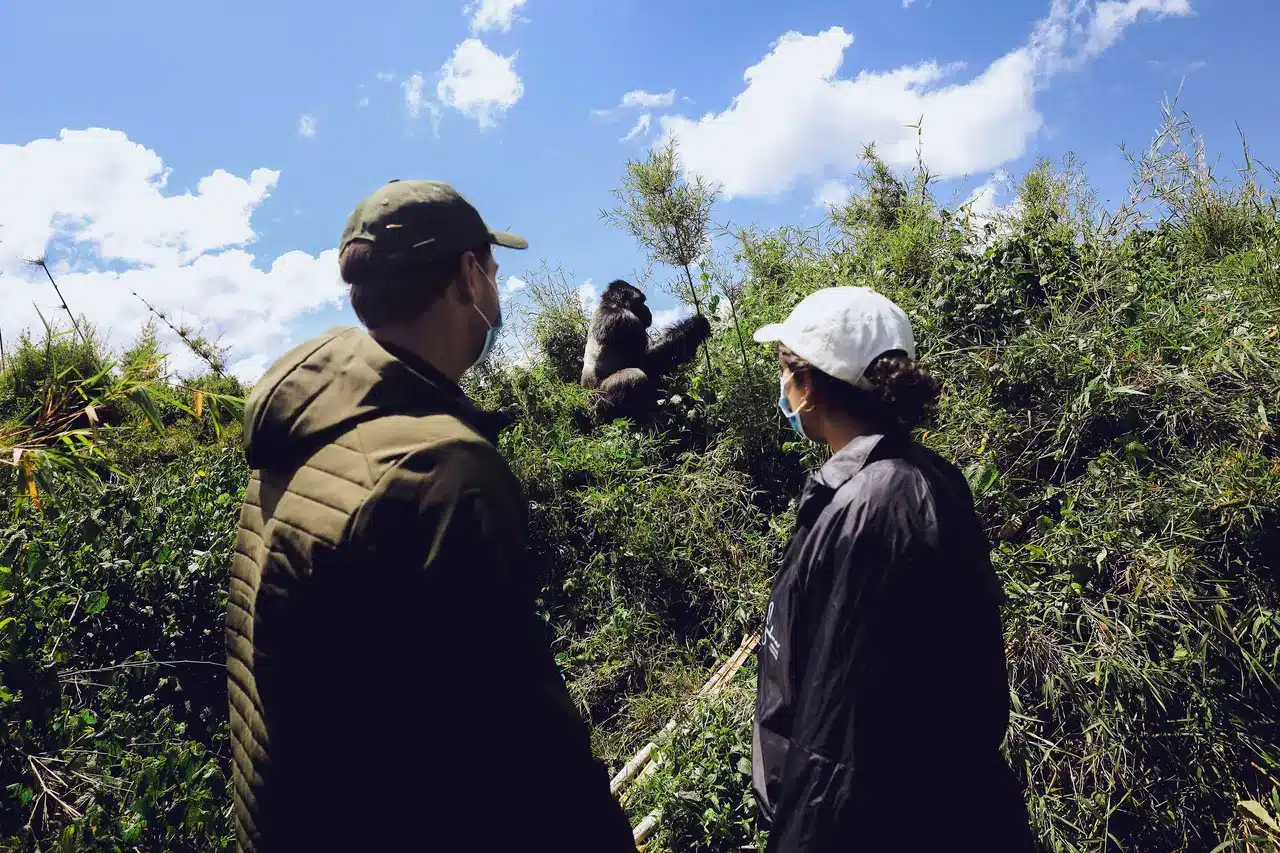
  • How to Prepare for Mountain Gorilla Trekking Adventures Before Travelling?

    How to Prepare for Mountain Gorilla Trekking Adventures Before Travelling?

    Embarking on a mountain gorilla trekking adventure is a once-in-a-lifetime experience that offers a unique glimpse into the lives of these majestic creatures. However, preparing effectively for this trek is crucial to ensure your journey is safe, enjoyable, and respectful to the gorillas and their habitat. Here’s a concise guide to help you get ready for your unforgettable encounter with mountain gorillas.

    Understand the Importance of Gorilla Conservation

    Before you embark on your trekking adventure, it’s crucial to understand the significance of gorilla conservation efforts. This knowledge will enhance your appreciation for the experience and the safeguards in place to protect these remarkable animals. Gorilla trekking not only offers a personal encounter with nature but also directly supports initiatives aimed at preserving gorilla habitats.

    By partaking in gorilla trekking, you contribute to anti-poaching efforts and habitat conservation. The fees collected from your trekking permits are reinvested in local communities and conservation projects, highlighting the symbiotic relationship between eco-tourism and wildlife protection. This understanding fosters a deeper connection to the environment and amplifies the significance of sustainable tourism practices.

    Innovative conservation events like the Kwita Izina Gorilla Naming Ceremony create public awareness, celebrating the birth of new gorillas while involving the global community in conservation efforts. Participating in or spreading the word about such initiatives can further enhance your trekking experience.

    Choose the Best Time for Your Trek

    The dry seasons, from June to September and December to February, are considered the best times for a gorilla trek. The trails are less muddy, making your trek more manageable and enjoyable.

    The lush rainforests of Rwanda present an enchanting backdrop for trekking during these dry months. Although weather conditions are more favorable during these periods, always be prepared for sudden rain showers which can add a thrilling aspect to your adventure.

    Plan Your Trip Logistics

    Deciding on your destination, arranging accommodations, and booking your gorilla trekking permits are essential steps. Countries like Uganda, Rwanda, and the Democratic Republic of the Congo offer this thrilling experience.

    Consider staying at our beautiful Sambora Kinigi Lodge, ideally located near the trekking sites. Our lodge offers comfortable accommodations with stunning views, ensuring that your stay is as memorable as your trekking adventure.

    In planning the logistics, also account for your entry and exit points. Depending on where you’re traveling from, consider the best routes, whether flying into Kigali for convenience or exploring alternative more scenic routes that offer a unique travel perspective.

    Acquire Necessary Permits and Follow Guidelines

    Gorilla trekking requires specific permits that can be limited and costly. Make sure to book your permits well in advance and educate yourself on the guidelines to ensure a respectful and safe encounter. We can assist in booking your permits through our sister tour company; Sambora Private Journeys.

    Each permit allows one hour with the mountain gorillas and an exhilarating hike, underscoring the importance of advance booking. Rely on reputable tour operators or local lodges to secure your permits seamlessly, and avoid last-minute hassles.

    Familiarizing yourself with the trekking rules ensures the safety and well-being of both humans and gorillas. Maintaining a minimum distance, avoiding flash photography, and following ranger advice are crucial for a harmonious interaction.

    Prepare Physically and Mentally

    The trek to witness mountain gorillas can be physically demanding. Engaging in regular cardiovascular exercise and practicing walking on varied terrain can help prepare your body. Mentally, familiarize yourself with the environment and potential challenges to anticipate during the trek.

    Increasing your stamina with activities like hiking or light jogging is beneficial. Simulating the trek’s conditions by walking on similar terrain near your home can acclimate your body to the experience. You can also review the tips on how to be fit for gorilla trekking.

    Being mentally prepared involves understanding the environmental context, learning about gorilla behavior, and embracing the trek’s unpredictability. Balance patience with excitement for a truly enriching experience.

    Pack the Right Gear and Essentials

    Proper gear, such as sturdy hiking boots, waterproof clothing, and insect repellent, is crucial. Additionally, pack light but include essentials like snacks, water, binoculars, and a camera for enhanced trekking experience.

    Layered clothing is advisable for temperature variations, and lightweight gloves can protect during hikes through dense vegetation. A small backpack for your essentials ensures you remain hands-free while trekking.

    Consider hiring a porter to assist with carrying equipment, allowing you to focus on the trek while supporting the local community. Engaging a local guide enhances cultural exchange and fosters ethical tourism practices.

    Final Thoughts on Preparing for Your Trek

    Preparing for a mountain gorilla trekking experience involves careful planning and consideration to ensure a respectful and enjoyable encounter. By choosing the right time to visit, planning the logistics, understanding the necessary permits and guidelines, and preparing physically and mentally, you can safeguard both your adventure and the well-being of the gorillas. So pack your essentials and get ready for a memorable journey into the heart of nature.

  • Unforgettable Encounters with Mountain Gorillas in Volcanoes National Park

    Unforgettable Encounters with Mountain Gorillas in Volcanoes National Park

    Exploring the majesty of mountain gorillas in Volcanoes National Park is an adventure like no other. This blog will take you on a journey into the heart of Rwanda, where trekking through lush forests offers the chance to see these incredible creatures up close. From their playful behaviors to the enduring conservation efforts that protect them, encounters with mountain gorillas are truly unforgettable.

    Landscape with a Mountain, Lake, and Clouds

    Understanding Mountain Gorillas and Their Habitat

    Mountain gorillas are a remarkable species, unique to the volcanic mountain ranges of East Africa. Their thick fur, large size, and human-like features make them an intriguing sight for wildlife enthusiasts. These gentle giants are primarily found in the Virunga Mountains, shared by Rwanda, Uganda, and the Democratic Republic of the Congo. The dense forests and bamboo groves create a perfect sanctuary for them, providing not only shelter but also a rich source of food.

    In terms of social structure, mountain gorillas live in groups called troops, usually led by a dominant silverback male. This hierarchical organization ensures stability within the troop, as the silverback is responsible for the protection and cohesion of the group. Notably, the interactions among troop members, especially the playful antics of the young gorillas, are captivating to observe. These behaviors not only highlight their intelligence but also exemplify the emotional bonds they share.

    Understanding the habitat of mountain gorillas helps us grasp the challenges they face. Deforestation, poaching, and habitat encroachment are significant threats to their survival. Due to these pressures, their population has dwindled, making the remaining groups all the more precious. Witnessing these majestic beings in their natural environment serves as a poignant reminder of the importance of conservation efforts. Ensuring their survival is a shared responsibility that begins with awareness and education.

    Planning Your Gorilla Trek in Volcanoes National Park

    Planning a trek to see mountain gorillas in Volcanoes National Park is an exciting endeavor, but it requires careful consideration. First and foremost, securing a trekking permit is essential, as only a limited number of visitors are allowed each day. This not only protects the gorillas but also provides an intimate experience with these incredible animals. The permits can be booked well in advance, particularly during the peak tourist seasons.

    Choosing the right time to visit is another key aspect of planning your adventure. The dry seasons from December to February and June to September are often regarded as the best times for trekking. During these months, the trails are less muddy, making it easier to hike through the dense forest. However, a visit during the rainy season can also be rewarding, with fewer tourists and a lush, vibrant landscape.

    Physical preparation is equally important when planning your trek. The hikes can be strenuous, sometimes lasting several hours as you navigate through steep terrains. Taking the time to train and build endurance beforehand will enhance your experience significantly. Additionally, packing essential items like a sturdy pair of hiking boots, rain gear, and plenty of water will ensure you are well-equipped for the adventure ahead.

    Once on the ground, it’s best to engage with local guides who have an in-depth understanding of the gorillas and the terrain. Their knowledge not only enriches your experience but also ensures that you hike safely and respectfully. Always remember, the goal is to observe the gorillas without disturbing their natural behavior. Following guidelines and maintaining a respectful distance will help you witness their majesty while contributing to their conservation.

    What to Expect During Your Encounter

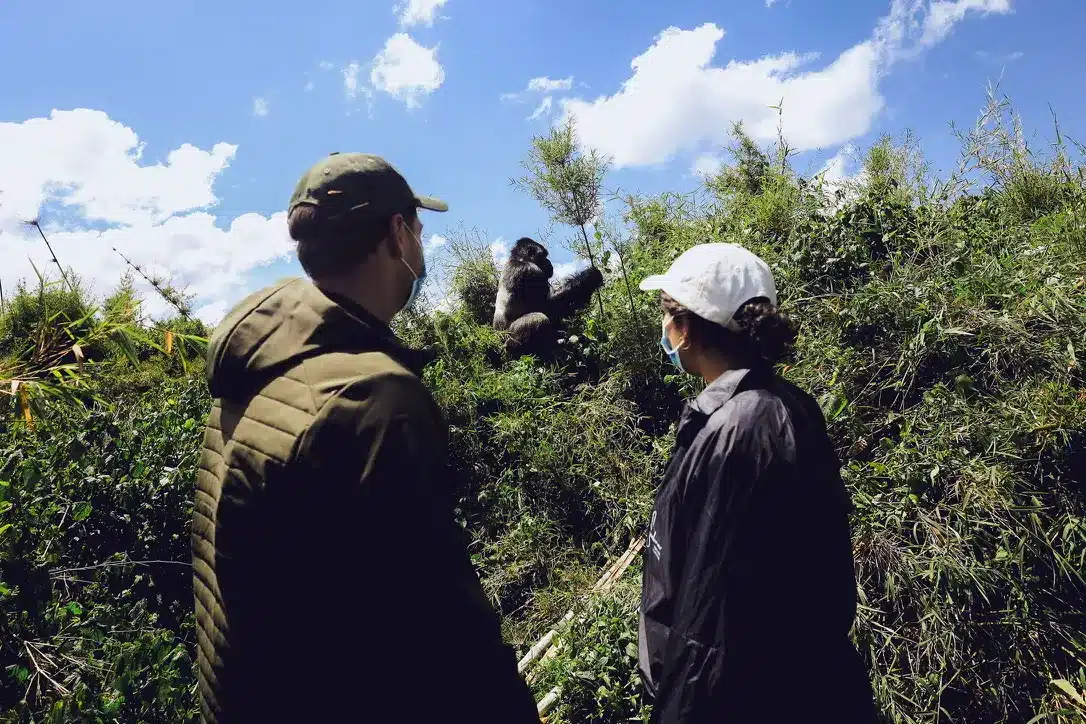
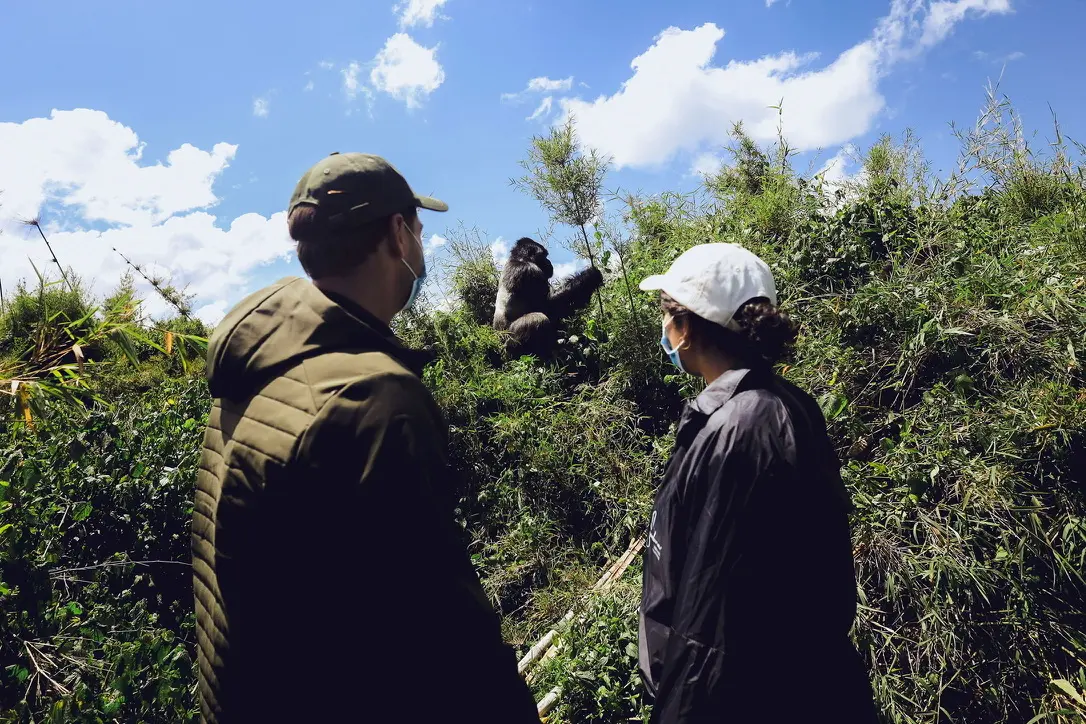
    The anticipation builds as you make your way deep into the forests of Volcanoes National Park, each step bringing you closer to an encounter with mountain gorillas. As you trek, the sounds of the forest envelope you: the rustling leaves, calls of various bird species, and even the distant hum of other wildlife create an enchanting backdrop. It’s a unique feeling when you realize you’re walking in the same habitat as these magnificent creatures.

    When you finally catch sight of a mountain gorilla, emotions can be overwhelming. The first glimpse often reveals a majestic silverback, showcasing his formidable presence as he watches over his family. Observing them in their natural behavior, from foraging to grooming, provides insights into their social dynamics. It’s an incredible experience that deepens your appreciation for these gentle giants.

    The guidelines set forth by the park are crucial during your encounter. You’re allowed to spend only one hour with the gorillas, which may seem brief, but it’s a carefully curated timeframe designed to minimize stress on the animals. This time constraint encourages you to fully immerse yourself in the moment, capturing the beauty of each interaction. It’s a delicate balance that allows for memorable experiences without compromising the gorillas’ well-being.

    As you observe, it’s fascinating to see the mother gorillas nurturing their young. The tenderness displayed in these moments can be heartwarming. Watching a juvenile gorilla playfully tumble and explore is a reminder of the innocence of youth. These interactions can evoke emotions that resonate long after the trek concludes, establishing an unforgettable connection between you and these remarkable beings.

    The Impact of Gorilla Tourism on Conservation

    Gorilla tourism is pivotal not only for the economy of the regions surrounding Volcanoes National Park but also for the conservation of mountain gorillas. The revenue generated from trekking permits directly contributes to the protection of these endangered species. This financial support enables the park authorities to fund anti-poaching patrols and habitat preservation initiatives. It’s a win-win situation, where wildlife conservation and community development go hand in hand.

    Moreover, the growing interest in seeing mountain gorillas has raised awareness about their plight. Tourists leave with stories that resonate, spreading knowledge about the importance of preserving wildlife. Such awareness fosters a collective responsibility toward conservation efforts, encouraging local communities to take an active role in protecting their environment. This symbiotic relationship is crucial for the sustainability of wildlife tourism.

    However, it must be noted that while tourism has its benefits, it also comes with challenges. The influx of visitors can place stress on natural resources and habitats, potentially leading to negative impacts if not managed correctly. Therefore, responsible tourism practices are vital. Tourists should always abide by park regulations, ensuring that their presence doesn’t disrupt the natural behaviors of the gorillas. By being mindful, we can ensure that these magnificent creatures will thrive for generations to come.

    Personal Stories: Life-Changing Gorilla Encounters

    Every encounter with mountain gorillas can be transformative, often leaving a lasting imprint on visitors. One traveller, Sarah, shared her profound experience upon witnessing a silverback protecting his young. She recounted how the sheer strength and nurturing nature of the male gorilla resonated with her own life lessons. This encounter shifted her perspective on wildlife and solidified her commitment to support conservation efforts.

    Similarly, John, an avid photographer, captured a candid moment of a baby gorilla curiously exploring its surroundings. His images not only showcased the beauty of these animals but also depicted their vulnerability. This sparked a desire to advocate for their protection, leading him to organize awareness campaigns upon returning home. Such stories highlight how personal experiences can ignite change and emphasize the importance of these encounters.

    Another riveting account comes from Lisa, who travelled with her family. Their shared experience of observing a mountain gorilla mother caring for her offspring created bonds beyond words. They left the park with a renewed appreciation for family and nature. This served as a profound reminder of our interconnectedness with the animal kingdom, encouraging them to support various conservation initiatives in their community.

    How to Prepare for Your Visit: Tips and Guidelines

    Preparation is key to ensuring that your visit to the mountain gorillas is an enjoyable and memorable experience. One of the first steps is to assess your physical fitness, as the trekking can be quite demanding. Incorporating regular exercise into your routine leading up to the trip will help build the necessary stamina. A mixture of cardio and strength training will equip you with the endurance needed for the climbs.

    Another practical tip is to invest in quality gear. A good pair of hiking boots with ankle support can make a significant difference on uneven terrains. Additionally, wearing breathable and moisture-wicking clothing will enhance comfort while trekking. Given the unpredictable weather in the region, layering is also advisable. A waterproof jacket and pants are essential for those sudden rain showers.

    Moreover, packing a small backpack with essentials like snacks, water, a camera for capturing memories, and binoculars for wildlife observation is a smart move. A pair of binoculars can allow you to enjoy the beauty of other wildlife in the park while maintaining the recommended distance from the gorillas. Do not forget sunscreen and insect repellent; these will greatly enhance your overall experience in the lush terrain.

    Finally, embracing a mindset of patience and respect while observing the gorillas is paramount. Remember that these creatures are not in a zoo; they are in their natural habitat. Approaching them quietly and respecting their space ensures that the encounter is rewarding for both you and the gorillas. Following these tips will help you create cherished memories and deep connections on your journey.

    Cherishing the Mountain Gorilla Experience

    Visiting the mountain gorillas in Volcanoes National Park is more than just a travel experience; it’s a chance to connect with nature and contribute to the conservation of an endangered species. The memories made during these encounters will stay with you long after your journey ends.

  • 10 Fascinating Facts About Mountain Gorillas You Didn’t Know

    10 Fascinating Facts About Mountain Gorillas You Didn’t Know

    Mountain gorillas are among the most majestic and mysterious creatures roaming our planet. Despite their prominence in research and conservation efforts, there’s still so much to learn about these gentle giants. Diving into the world of mountain gorillas reveals tales of strength, family bonds, and survival against the odds. In this blog, we’ll uncover some of the most fascinating facts about these incredible animals that you probably didn’t know.

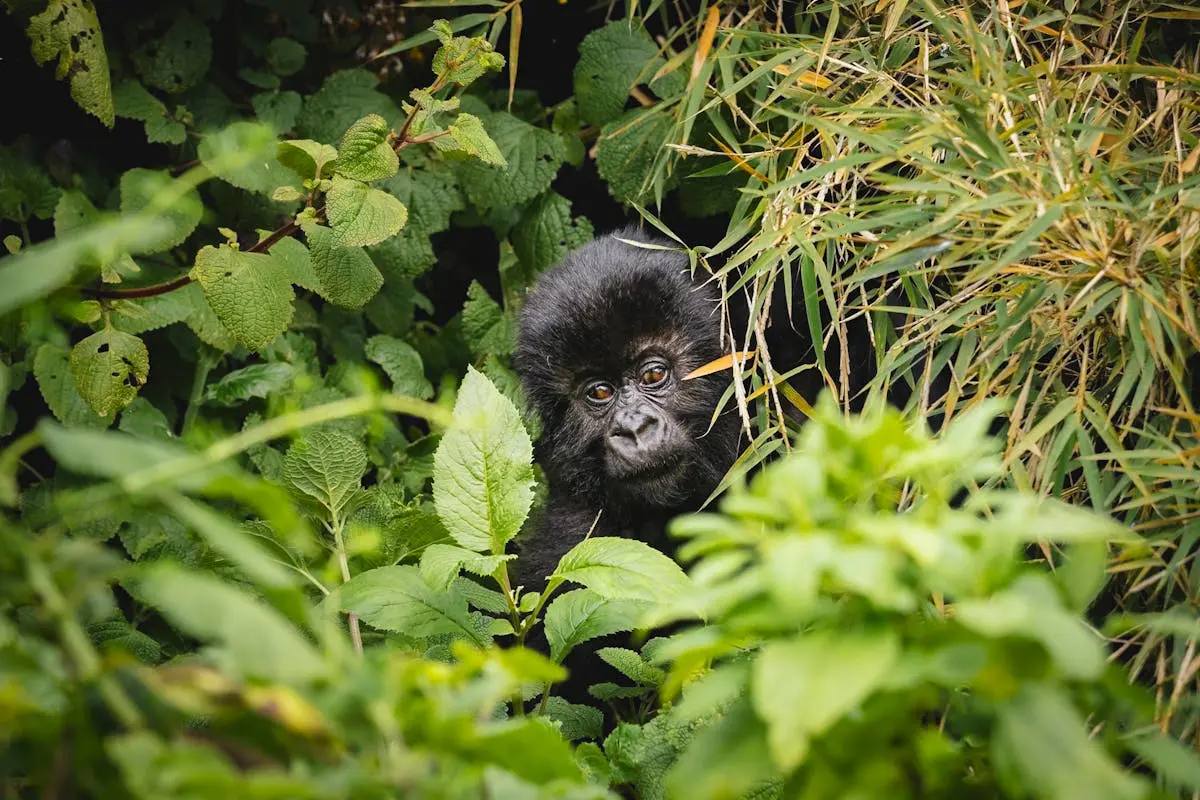
    Monkey Head among Plants in Forest

    1. Unique Fingerprints

    Much like humans, mountain gorillas have unique fingerprints. No two gorillas have the same pattern, making it an invaluable tool for researchers to identify individuals in the wild. This trait further emphasizes the closeness of our specie, showcasing a form of individuality among these majestic creatures.

    2. Kings of Their Habitat

    Mountain gorillas are adapted to life in various altitudes, yet they have a special affinity for the dense, montane and bamboo forests. They are spread across the Democratic Republic of Congo (DRC), Rwanda, and Uganda, living in sanctuaries like the Bwindi Impenetrable National Park and the Virunga Massif. These areas are crucial not only for the survival of the gorillas but also support a rich biodiversity that includes countless other species.

    3. A Vegetarian Diet

    Despite their imposing size, mountain gorillas primarily consume a vegetarian diet consisting of roots, shoots, fruit, wild celery, and tree bark. An adult male can eat up to 34 kilograms of vegetation each day to sustain their massive bodies. This diet is crucial for their health, providing necessary nutrients and hydration, since they rarely drink water directly, opting instead to absorb moisture from their leafy meals.

    4. Complex Social Structures

    Mountain gorilla society is deeply intricate, centered around family groups known as troops or bands. Led by a dominant silverback, these groups include multiple females, juveniles, and babies. Apart from offering protection, silverbacks maintain peace within the group, mediate conflicts, and decide on the daily movements in search for food. This social cohesion plays a crucial role in their survival, offering a glimpse into the complexity of their emotional and intellectual world.

    5. Communicating Through Sounds

    Communication among mountain gorillas is sophisticated, consisting of at least 25 different vocalizations. These range from soft grumbles, indicating contentment, to powerful roars and screams, used in situations of distress or to ward off intruders. The ability to convey messages through sounds is vital for maintaining group cohesion and ensuring the well-being of each member.

    6. Playtime is Important

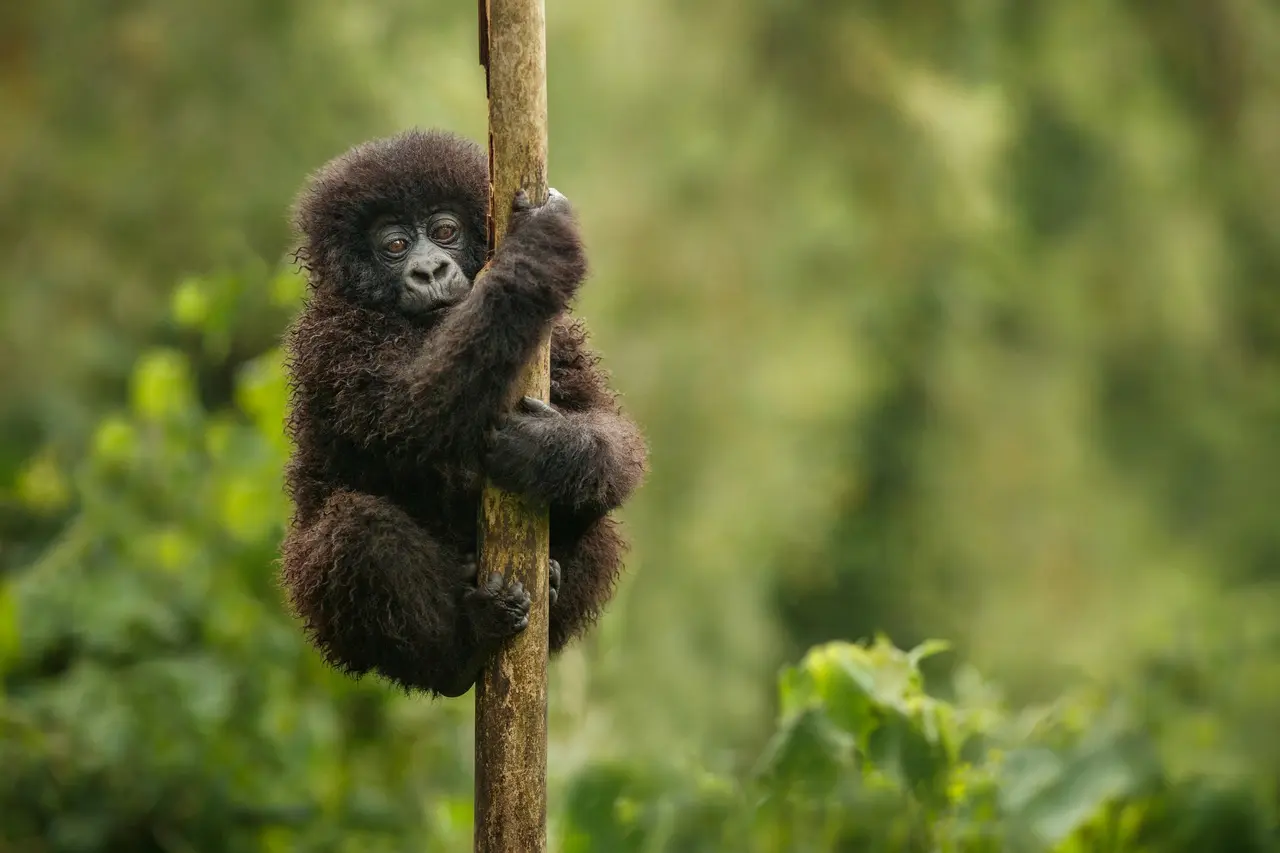
    For mountain gorillas, play is not just about fun; it’s an essential part of their development and social interaction. Juvenile gorillas are often seen tumbling, wrestling, and swinging through trees, much like human children. These activities help them to develop strength, learn social cues, and establish their place within the troop. It’s a beautiful sight that underscores the joys found in the natural world.

    7. Long Lives

    In the wild, mountain gorillas can live to be over 40 years old, a testament to their resilience and the conservation efforts to protect them. This longevity is remarkable considering the threats they face, from habitat loss to poaching. Each birthday is a victory, celebrating the triumph of life over the numerous challenges they encounter in their daily existence.

    8. The Role of Silverbacks

    The silverback is the undisputed leader of the mountain gorilla troop, responsible not only for the group’s safety but also for making decisions about daily activities, such as foraging and nesting. His leadership is a blend of gentle patience and formidable strength, a balance that ensures the stability and prosperity of the group. These males earn their distinguished silver coloring as they mature, a badge of their wisdom and status within the group.

    9. Endangered Beauties

    Despite ongoing conservation efforts, mountain gorillas remain critically endangered. Threats such as habitat destruction, human encroachment, and disease threaten their existence. Celebrated initiatives like Rwanda’s annual Kwita Izina gorilla naming ceremony highlight the importance of community involvement in conservation efforts, a beacon of hope for these magnificent animals.

    10. Conservation Through Tourism

    Eco-tourism plays a pivotal role in mountain gorilla conservation, providing the funds necessary to protect and study these animals. Controlled and respectful tourism helps to fund national parks and conservation programs, ensuring that mountain gorillas can thrum in their natural habitat for future generations to admire and learn from.

  • Key Facts About Gorillas In The Wild

    Key Facts About Gorillas In The Wild

    Gorillas, the majestic giants of the jungle, have fascinated humans for centuries. In this blog, we’ll delve into the key aspects of their lives in the wild, shedding light on common myths and providing insights into their behavior, diet, and societal structures. Join us on an engaging journey into the world of gorillas.

    What Are Gorillas?

    Gorillas are a cornerstone of the African rainforest, the largest of all primates and our very close genetic relatives, sharing 98% of their DNA with humans. These remarkable beings are divided into two species: the eastern and western gorillas, and then further into several subspecies, the most famous being the mountain gorilla. Recognized for their powerful build and yet gentle demeanor, gorillas play a crucial role in maintaining the biodiversity of their habitats.

    Despite their size and strength, gorillas primarily lead a peaceful existence. They are predominantly herbivores, spending a significant portion of their day foraging for food across the dense vegetation of the forests in central Africa. Their social life is intricately structured around family units known as troops or bands, led by a dominant male known as the silverback.

    Where Do Gorillas Live?

    Gorillas inhabit the dense rainforests and montane forests across central Africa. These majestic creatures are primarily found in countries like Rwanda, Uganda, the Democratic Republic of Congo, Gabon, and Nigeria. Each species and subspecies of gorilla prefers slightly different habitats, from lowland swamps to mountainous bamboo forests, with mountain gorillas living at elevations up to 4,000 meters.

    Understanding Gorilla Behavior

    Gorillas are fascinating creatures with complex behaviors and social structures. Their day is spent foraging, resting, and interacting within their troop. Communication among gorillas includes an array of vocalizations, facial expressions, and postures. Silverbacks, the leaders of the troop, play a critical role in decision-making and maintaining order, often demonstrated through displays of strength rather than actual aggression.

    Diet of a Gorilla

    Contrary to their intimidating appearance, gorillas maintain a largely vegetarian diet, consisting of leaves, stems, fruits, and occasionally insects. Some gorilla troops, depending on their habitat, may also consume small amounts of bark or roots. The diet is high in fiber and requires the gorillas to spend a significant part of their day eating to meet their energy needs.

    Are Gorillas Aggressive?

    The common portrayal of gorillas as fierce and aggressive creatures is a widespread misconception. In reality, gorillas are quite gentle and shy; they only become aggressive when they feel threatened. The famous ‘chest-beating’ by male gorillas is more about communication within the troop and deterrence rather than aggression towards others. It’s crucial to respect their space and observe them from a distance, allowing for a peaceful coexistence between humans and gorillas in the wild (Are Gorillas Dangerous? The King Kong Myth…).

    The Social Structure of Gorilla Families

    The social life of gorillas is incredibly intricate and revolves around the family group or troop. Led by a silverback, the troop includes multiple females, their offspring, and occasionally some younger males known as ‘blackbacks.’ The silverback makes all the decisions, from feeding to movement and even mediating conflicts within the group. The bond within a gorilla family is strong, with females often staying in a group for life and males leaving only to establish their own troop.

    The Importance of Conservation

    Gorilla populations are under threat from habitat destruction, poaching, and disease. Conservation efforts are critical to ensure their survival, involving habitat preservation, anti-poaching patrols, and public education about the importance of gorillas to the ecosystem. The Kwita Izina Gorilla Naming Ceremony is a significant event in Rwanda that celebrates life, unity, and conservation efforts towards protecting mountain gorillas and their habitat, emphasizing the bond between humans and gorillas.

    Sustaining gorilla populations not only benefits the environment but also local communities through eco-tourism, which provides a source of income and an incentive to protect these magnificent creatures. Supporting responsible tourism and conservation organizations can have a profound impact on the future of gorillas in the wild.

    A Closer Bond with Our Gentle Giants

    Understanding gorillas in their natural habitat allows us to appreciate the complexity and beauty of these magnificent creatures. By dispelling myths, such as unwarranted fears about aggression, and highlighting their social structures and roles in the ecosystem, we can foster a deeper respect and commitment to their conservation. Let’s carry forward the message of coexistence and protection for these incredible beings. Visit our homepage to learn how you can contribute to gorilla conservation efforts.

  • Frequently Asked Questions about Gorilla Trekking in Rwanda

    Frequently Asked Questions about Gorilla Trekking in Rwanda

    What you need to know about Gorilla Trekking in Rwanda

    Where can I find mountain gorillas in Rwanda?

    In Rwanda, mountain gorillas are protected within the Volcanoes National Park, which is part of the Virunga Mountains that straddle the borders of Rwanda, Uganda, and the Democratic Republic of Congo. This park is home to a portion of the estimated 1,063 mountain gorillas remaining in the wild.

    How much does it cost to go gorilla trekking in Rwanda?

    To trek mountain gorillas in Rwanda, visitors must purchase a gorilla permit from the Volcanoes National Park. The cost of a gorilla permit in Rwanda is $1,500 per person. While this may seem high compared to neighboring countries, many trekkers agree that the exceptional gorilla trekking experience in Rwanda is worth the investment. For more information on planning your trip, visit Visit Rwanda.

    What is the best time of year for gorilla trekking in Rwanda?

    Gorilla trekking in Rwanda is a year-round activity, but the best experiences are typically had during the dry months of June to September and December to February. During these periods, the terrain is less slippery, and gorillas tend to move more freely within their groups, making them easier to observe.

    What should I pack for gorilla trekking in Rwanda?

    When preparing for your gorilla trekking adventure in Rwanda, be sure to pack sturdy hiking boots, long trousers, a long-sleeved shirt, gloves, and a rain jacket. Don’t forget to bring a good camera to capture unforgettable moments with the gorillas. Porters are available at the park to assist trekkers who may need help along the way, and they can be hired for a fee of $15 to $20.

    How many gorilla groups are available for trekking in Rwanda?

    Volcanoes National Park in Rwanda is home to 10 habituated gorilla groups that are available for trekking. To minimize human impact and promote conservation, each gorilla group is visited by a maximum of 8 trekkers per day, and visitors are allowed to spend one hour with the gorillas.

  • Experience Rwanda’s 20th Kwita Izina Gorilla Conservation Celebration in October 2024

    Experience Rwanda’s 20th Kwita Izina Gorilla Conservation Celebration in October 2024

    Imagine yourself standing amidst lush rainforests, surrounded by the misty mountains of Rwanda in the Volcanoes National Park. You’re about to witness something extraordinary – the 20th Kwita Izina Gorilla Conservation Celebration. This 18th October 2024, you have the chance to be part of a transformative experience that will push the boundaries of your understanding of wildlife conservation. This milestone event promises to be more than just a celebration, it is an adventure that will inspire and change you, as Rwanda opens its arms to welcome you to this unforgettable gathering.

    Experience Rwanda’s 20th Kwita Izina Gorilla Conservation Celebration in October 2024

    Get ready for an awe-inspiring journey into the heart of Rwanda’s conservation efforts! The 20th Kwita Izina ceremony, set for October 18, 2024, promises to be a transformative experience that will ignite your passion for wildlife preservation. This annual gorilla naming celebration is your chance to witness the culmination of decades of dedicated conservation work.

    Imagine yourself among the lush, misty slopes of Volcanoes National Park, home to the endangered mountain gorillas. As you participate in this week-long extravaganza, you’ll be swept up in the electric atmosphere of cultural performances, community projects, and conservation exhibitions. The pinnacle of the event? Watching as newly born gorillas receive their names, a tradition that honors both the animals and the tireless efforts of researchers, veterinarians, and local communities.

    This milestone 20th edition is your opportunity to be part of a global movement, pushing the boundaries of wildlife protection. You’ll leave Rwanda forever changed, with a renewed sense of purpose and a deep connection to these magnificent creatures.

    What is Kwita Izina and Why is it Important?

    A Tradition of Conservation

    Imagine embarking on a journey that transcends time and culture, where ancient traditions meet modern conservation efforts. Kwita Izina, Rwanda’s annual gorilla naming ceremony, is your gateway to this transformative experience. Inspired by the centuries-old Rwandan custom of naming newborns, this event has evolved into a powerful tool for gorilla conservation since its inception in 2005.

    A Celebration of Life and Legacy

    As you witness the naming of these majestic creatures, you’ll feel the palpable energy of a nation united in its commitment to wildlife preservation. Each carefully chosen name reflects the gorilla’s unique story and heritage, believed to shape its character and future. This ceremony is more than just a spectacle; it’s a crucial step in monitoring and protecting these endangered mountain gorillas.

    Empowering Communities, Inspiring Change

    Your participation in Kwita Izina contributes to a greater cause. The event not only raises awareness but also generates significant tourism revenue, directly benefiting local communities and supporting conservation efforts. By attending, you become part of Rwanda’s inspiring journey towards sustainable tourism and wildlife protection.

    The Origins and History of Kwita Izina

    A Tradition Reborn

    Prepare to embark on a journey through time as you discover the roots of Kwita Izina. This cherished Rwandan tradition, originally used for naming newborn children, has transformed into a powerful symbol of conservation. In 2005, visionary leaders adapted this age-old custom to celebrate the birth of baby gorillas, igniting a spark that would change the face of wildlife protection forever.

    From Humble Beginnings to Global Phenomenon

    Imagine yourself transported to the misty slopes of Volcanoes National Park, where the first Kwita Izina ceremony took place. What began as a modest event has blossomed into an international celebration, drawing thousands of visitors each year. You’ll find yourself swept up in a whirlwind of traditional music, dancing, and the palpable excitement of naming these precious primates.

    A Legacy of Conservation

    As you delve deeper into Kwita Izina’s history, you’ll uncover its profound impact. This annual gathering has become a catalyst for change, raising crucial awareness and funds for gorilla conservation. Through your participation, you’re not just witnessing history – you’re helping to shape a brighter future for these magnificent creatures and the breathtaking landscapes they call home.

    Highlights of the 20th Kwita Izina Festival

    A Milestone Celebration of Conservation

    As you step into the lush Volcanoes National Park, you’ll be swept up in the excitement of the 20th Kwita Izina Festival. This milestone event promises to be a transformative experience, pushing the boundaries of wildlife conservation. You’ll witness the naming of baby gorillas, a tradition that symbolizes Rwanda’s commitment to protecting these magnificent creatures. The air will be electric with the energy of conservationists, dignitaries, and nature enthusiasts from around the globe.

    Unforgettable Gorilla Activities

    Prepare to embark on an adventure of a lifetime. The festival offers unique gorilla activities that will bring you face-to-face with these gentle giants. You’ll have the opportunity to trek through misty forests, your heart pounding with anticipation as you approach a gorilla family. This intimate encounter will leave you forever changed, inspiring a deep connection to nature and a renewed dedication to wildlife conservation.

    Empowering Local Communities

    At Kwita Izina, you’ll discover how gorilla conservation is transforming lives. Engage with local communities and learn how they’ve become guardians of these precious animals. You’ll be inspired by their stories of empowerment and witness firsthand how sustainable tourism is creating a brighter future for both humans and gorillas alike.

    Kwita Izina 2024 Events and Activities

    Get ready for an adventure of a lifetime at Kwita Izina 2024! This 20th edition promises to be a transformative experience, pushing the boundaries of wildlife conservation and personal growth. You’ll be immersed in a world of wonder as you witness the naming of baby mountain gorillas, a tradition that has helped protect these magnificent creatures for nearly two decades.

    Unforgettable Experiences Await

    Prepare to be inspired by the Community project launches and Conservation exhibition, where you’ll discover how your visit directly impacts local communities and gorilla preservation. The Business of Conservation Conference will ignite your passion for sustainable tourism, while the naming ceremony itself will leave you in awe of nature’s resilience.

    A Journey of Discovery

    As night falls, the Kwita Izina Celebration of Conservation Dinner awaits, offering a chance to connect with like-minded conservationists and gorilla enthusiasts. For the adventurous, media and travel influencer trips provide unique opportunities to explore Rwanda’s breathtaking landscapes and share your transformative experiences with the world.

    The Significance of the Gorilla Naming Ceremony

    A Tradition Reborn

    You’re about to witness a truly transformative event that connects ancient traditions with modern conservation efforts. Kwita Izina, Rwanda’s gorilla naming ceremony, is a powerful reimagining of a centuries-old custom of welcoming newborns into the community. As you participate, you’ll feel the weight of history and the hope for the future converge in a single, awe-inspiring moment.

    A Celebration of Life and Conservation

    Prepare to be moved by the deep significance of this event. Each name bestowed upon a baby gorilla is more than just a label – it’s a recognition of their unique personality and a blessing for their future. You’ll witness firsthand how this ceremony has become a cornerstone of Rwanda’s conservation efforts, raising awareness and funds to protect these magnificent creatures. As you join in the festivities, you’ll be part of a global community united in its commitment to preserving our planet’s biodiversity.

    Kwita Izina Supporting Rwandan Gorilla Conservation

    A Legacy of Protection

    Embark on a journey of discovery as you delve into the heart of Rwanda’s conservation efforts. Kwita Izina, the annual gorilla naming ceremony, stands as a testament to the country’s unwavering commitment to protecting its gentle giants. Since its inception in 2005, this celebration has become a global symbol of wildlife preservation, naming 397 mountain gorillas and inspiring countless souls along the way.

    Your Role in Conservation

    As you witness this awe-inspiring event, you’ll feel the transformative power of community-centered conservation. Gorilla guardians work tirelessly to protect these endangered creatures, and your participation in gorilla trekking directly supports their efforts. By attending Kwita Izina, you’re not just observing – you’re actively contributing to a brighter future for these majestic animals.

    A Global Celebration

    Prepare to be inspired as you join thousands of conservation enthusiasts from around the world. The 2023 ceremony saw over 30,000 attendees, united in their passion for wildlife preservation. As you immerse yourself in this vibrant atmosphere, you’ll feel a sense of purpose and connection to something greater than yourself.

    Conclusion

    As you prepare for this extraordinary journey to Rwanda’s 20th Kwita Izina, embrace the transformative power of conservation. This milestone celebration invites you to push beyond your comfort zone and discover the profound impact of protecting these majestic creatures. Let the spirit of Sambora ignite your passion for wildlife preservation and inspire you to become a catalyst for change. Your presence at this momentous event will not only create lasting memories but also contribute to a legacy of environmental stewardship. Seize this opportunity to connect with nature, challenge your perspectives, and unlock your potential as a global conservation advocate. The gorillas of Rwanda await your arrival – are you ready to answer their call?

  • Planning Your Gorilla Trekking in Rwanda: Everything You Need to Know

    Planning Your Gorilla Trekking in Rwanda: Everything You Need to Know

    Are you ready for the adventure of a lifetime? Imagine trekking through misty forests, heart pounding with anticipation, as you come face-to-face with majestic mountain gorillas in their natural habitat. Rwanda’s gorilla trekking experience is truly unforgettable, but planning your trip to the Virunga peaks can feel overwhelming. Don’t worry – we’ve got you covered! In this comprehensive guide, you’ll discover everything you need to know about planning and booking your luxury safari and gorilla trekking holiday in Rwanda.

    Planning Ahead

    Careful planning is essential for ensuring you have an unforgettable gorilla trekking experience. Here are some things to consider:

    • Tourist permits. You’ll need to obtain a gorilla tracking permit in advance, which can be done through your tour operator. Permits cost around $1500 per person.
    • Tour operator. Choose a reputable tour operator who can arrange all aspects of your trip and give expert advice. They’ll handle permit applications, transportation, accommodation and booking your gorilla trek.
    • When to go. Gorilla tracking is possible year-round in Rwanda but the dry seasons (June-August, December-February) offer the best weather conditions and visibility.
    • Accommodation. Most gorilla trekking tours include accommodation in major national parks like Volcanoes National Park or Nyungwe Forest. Book your accommodation well in advance to guarantee a spot.

    With good planning and the right tour operator like Sambora Private Journeys, you’re on your way to an unforgettable gorilla trekking experience in the stunning mountains of Rwanda! Plus, find out why Sambora is your ultimate partner for an seamless Rwanda adventure, including a stay at the stunning Sambora Kinigi lodge in Volcanoes National Park. Let’s dive in and start planning your dream gorilla trek!

    The Best Time of Year for Gorilla Trekking in Rwanda

    Dry Season: Prime Trekking Conditions

    The optimal time for gorilla trekking in Rwanda is during the dry seasons, which typically run from June to September and December to early March. These periods offer the most favorable conditions for your adventure. With drier weather, you’ll enjoy better hiking conditions in the rainforest, making your trek more comfortable and less challenging. The trails are less muddy, allowing for easier navigation through the lush vegetation.

    Peak Season Considerations

    While the dry seasons provide ideal trekking conditions, they also coincide with the peak tourism periods. This means you may encounter higher prices for accommodation, car rentals, and other services. Additionally, gorilla trekking permits can be more challenging to secure, especially during the busier months of June to August. To ensure your spot, it’s crucial to book well in advance.

    Off-Peak Opportunities

    For budget-conscious travellers or those seeking a less crowded experience, consider visiting during the wet seasons from March to May and October to November. While trekking conditions may be more challenging due to increased rainfall, you might benefit from discounted hotel rates and easier permit availability. Plus, the rainy season can offer unique opportunities, as chimps are often easier to locate during these months.

    Remember, regardless of when you choose to visit, Rwanda’s equatorial climate can be unpredictable. Always come prepared with waterproof gear to ensure a comfortable trekking experience.

    Gorilla Trekking Permits and Prices in Volcanoes National Park

    Permit Costs and Availability

    Securing a gorilla trekking permit is essential for your Rwanda adventure. As of 2024, permits cost $1,500 per person for all visitors, including Rwandan nationals. With only 96 permits available daily, it’s crucial to book well in advance, ideally 3-4 months before your planned visit. Peak seasons (June-August and December-February) are especially competitive, so plan accordingly.

    Booking Your Permit

    You have two main options for obtaining your permit:

    1. Book directly through the Rwanda Development Board (RDB)
    2. Use a trusted local tour operator

    Booking through a tour operator can simplify the process, especially for international visitors. Whichever method you choose, be prepared to provide passport details and a deposit to secure your spot.

    Discounts and Special Packages

    For budget-conscious travelers, there are ways to reduce costs:

    • A 30% discount ($1,050) is available if you visit other Rwandan national parks for 3+ days during the low season (November-May).
    • Conference attendees can enjoy a 15% discount ($1,275) when extending their stay to include gorilla trekking.

    For a truly exclusive experience, private treks for up to 8 people are available for $15,000.

    What to Wear and Bring for Your Gorilla Trek

    Dress for Success in the Rainforest

    When embarking on your gorilla trek adventure, proper attire is crucial. Opt for lightweight, quick-dry clothing in neutral colors like greens and browns to blend with the environment. Long-sleeved shirts and trousers are essential to protect against scratches and insects. Don’t forget a sturdy pair of waterproof hiking boots with good ankle support to navigate the muddy terrain.

    Essential Gear for Your Trek

    Pack a waterproof backpack to keep your valuables dry. Include a rain jacket, as the rainforest climate can be unpredictable. Bring a wide-brimmed hat for sun protection and gardening gloves to push aside vegetation. Don’t forget your camera with a mid-size lens and extra batteries.

    Comfort and Safety Items

    Stay hydrated with a Camelbak water pouch, especially useful at higher altitudes. Pack some energy-boosting snacks and a small first-aid kit. Apply insect repellent and sunscreen before setting out. Consider bringing trekking poles for extra support on steep trails.

    Final Preparations

    Remember to bring some USD cash for tipping your guide. Pack light, as you may need to take a small aircraft to your lodge. Lastly, don’t forget copies of important documents like your passport and travel insurance. With these essentials, you’ll be well-prepared for an unforgettable gorilla trekking experience.

    Why Stay at Sambora Kinigi Lodge in Volcanoes National Park

    Unparalleled Location and Comfort

    Nestled at the base of five volcanoes in Rwanda’s Volcanoes National Park, Sambora Kinigi Lodge offers an unrivaled setting for your gorilla trekking adventure. Just minutes from the park headquarters, this exclusive private lodge provides the perfect launchpad for unforgettable wildlife encounters. After a day of exploration, unwind in luxurious cottages seamlessly blending natural materials with modern elegance, all while enjoying breathtaking views of the surrounding volcanoes.

    Exceptional Service and Amenities

    At Sambora Kinigi, your comfort is paramount. The lodge’s attentive staff caters to your every need, from cleaning your boots after a trek to arranging complimentary massages. Indulge in delicious meals prepared with locally sourced, seasonal ingredients, savoring the flavors around a cozy fire pit or in the outdoor dining area. With all-inclusive rates covering housekeeping, laundry, and 24-hour front desk service, you can focus entirely on your gorilla trekking experience.

    Immersive Natural Experience

    Surrounded by lush tropical flora and fauna, Sambora Kinigi Lodge offers more than just comfortable accommodations. It’s a gateway to the wonders of Volcanoes National Park. Embark on guided hikes, wellness treatments, and cultural tours to fully immerse yourself in Rwanda’s natural beauty and vibrant culture. Whether you’re relaxing in the gardens or watching the mist roll over the volcanoes from your private balcony, Sambora Kinigi provides an intimate, life-changing experience that perfectly complements your gorilla encounter.

    Gorilla Trekking in Rwanda: Frequently Asked Questions

    When is the best time to go?

    The best time for gorilla trekking in Rwanda is during the dry months of July and August, when rainfall is lowest. This makes the trek more manageable and increases visibility. However, treks are available year-round, and each season offers its own unique experience.

    How much does it cost?

    Gorilla trekking permits in Rwanda cost $1,500 per person. While this may seem steep, it’s important to remember that these fees contribute directly to conservation efforts. Permits are limited and should be booked well in advance, ideally 2-5 months prior to your trip.

    What should I bring?

    Essential items for your trek include:

    • Sturdy, waterproof hiking boots
    • Lightweight, layered clothing (long sleeves and pants recommended)
    • A small backpack
    • Plenty of water and energy snacks
    • Insect repellent
    • Camera (without flash)

    It’s also recommended to hire a porter (around $15 per trek) to help carry your gear and navigate the terrain.

    How physically demanding is the trek?

    Gorilla trekking can be challenging, with hikes lasting 2-5 hours through dense forest. However, visitors of all fitness levels can usually participate. If you have concerns, you can request to be assigned to a more accessible gorilla family. Remember, the journey is part of the adventure!

    Conclusion

    As you embark on your Rwanda gorilla trek adventure, remember that proper planning is key to a truly unforgettable experience. By choosing the right time of year, preparing adequately, and booking with a trusted operator like Sambora, you’re setting yourself up for success. The Sambora Kinigi lodge offers the perfect base for your gorilla encounters, combining comfort with proximity to Volcanoes National Park. This once-in-a-lifetime journey will leave you with memories to cherish forever. So pack your bags, lace up those hiking boots, and get ready for an awe-inspiring meeting with Rwanda’s gentle giants. Your gorilla trek awaits – it’s time to turn those dreams into reality!

  • Your Trekking Adventure: Booking Gorilla Permits with Sambora

    Your Trekking Adventure: Booking Gorilla Permits with Sambora

    Embark on an unforgettable gorilla trekking adventure with Sambora Private Journeys, our trusted sister travel company. Discover the world of magnificent creatures while we simplify the permit booking process for you. Here’s your guide to effortlessly booking gorilla permits.

    Gorilla trekking permits, issued by the Rwanda Development Board, are essential for experiencing the wonders of gorilla encounters. These permits grant limited access to designated gorilla families for observation and can be seamlessly booked through Sambora Private Journeys.

    How to Book Your Gorilla Trekking Permit:

    1. Visit the Sambora Private Journeys Website: Begin your journey by visiting the official website of Sambora Private Journeys. Navigate to the travel consultation form via the ‘Create Itinerary’ button or book a call with one of our experienced travel consultants by following the ‘Speak to a Travel Consultant’ button.

    1. Fill Out the Travel Consultation Form: Provide your details and preferences in the travel consultation form. Specify your desired itinerary, preferred trekking dates, accommodation preferences, and any additional activities you wish to include. Our team will provide suggestions and discuss further details during your consultation.

    1. Speak to Our Experienced Team: After submitting the form, an experienced member of the Sambora Private Journeys team will promptly reach out to you. They will delve into your preferences, crafting a customized itinerary that aligns with your needs and desires and importantly arranging the gorilla trekking experience.

    1. Itinerary Planning and Permit Booking: Collaborate with our team to finalize your itinerary. Once confirmed, we will proceed to secure your gorilla trekking permit on your behalf. Due to limited availability, it’s advisable to book well in advance, especially during peak seasons (May – Oct, Dec, Jan).

    1. Confirmation and Payment: Upon finalizing your itinerary and permit booking, you will receive confirmation from Sambora Private Journeys. We will outline payment procedures, including deposit requirements, and offer secure payment methods for your convenience.

    1. Prepare for Your Adventure: With your permit secured and itinerary confirmed, focus on preparing for your gorilla trekking adventure. Sambora Private Journeys will provide all necessary information and support to ensure a seamless and unforgettable experience.

    Experience the Difference with Sambora Private Journeys: As a sister company to Sambora Kinigi, we bring years of experience and a deep commitment to sustainable tourism. Trust us to handle all aspects of your journey, allowing you to embark on your adventure with confidence and peace of mind.

  • Celebrating Nature’s Heritage: The Upcoming Kwita Izina Gorilla Naming Ceremony on 1st September 2023

    Celebrating Nature’s Heritage: The Upcoming Kwita Izina Gorilla Naming Ceremony on 1st September 2023

    Introduction:

    Nestled amidst the lush greenery and misty mountains of Rwanda lies an enchanting event that showcases the harmonious coexistence between humans and nature – the Kwita Izina Gorilla Naming Ceremony. This unique and heartwarming celebration is an annual tradition in Rwanda, where conservationists, locals, and visitors from across the globe come together to pay tribute to the majestic mountain gorillas. As we eagerly await the September festivities, let’s delve into the significance of this event and the remarkable conservation efforts behind it.

    The Essence of Kwita Izina:

    The Kwita Izina, which translates to “naming” in Kinyarwanda, is a time-honored ceremony that began in 2005 with the purpose of celebrating the birth of new baby gorillas in Rwanda’s Volcanoes National Park. The event serves as a symbol of Rwanda’s commitment to wildlife conservation and sustainable tourism. Through the years, it has evolved into a grand spectacle, raising awareness about the importance of protecting these gentle giants and their habitat.

    Conservation Milestones:

    Rwanda’s journey towards gorilla conservation has been nothing short of remarkable. Decades ago, the mountain gorilla population faced a dire threat of extinction due to habitat loss, poaching, and civil unrest. Thanks to unwavering dedication and strategic efforts, Rwanda has made significant progress in safeguarding these endangered creatures.

    The country’s visionary leadership, along with various organizations, has implemented stringent conservation measures. This includes community-based initiatives that involve local residents in the conservation process, making them the true custodians of their natural heritage. As a result, Rwanda has become a global model for successful gorilla conservation, with the mountain gorilla population steadily increasing.

    A Gala of Celebrations:

    The Kwita Izina Gorilla Naming Ceremony is a spectacle like no other. The event is graced by esteemed dignitaries, wildlife enthusiasts, conservationists, and local communities, all gathered to celebrate the newest additions to the gorilla families. Each baby gorilla is given a name during the ceremony, chosen by Rwandans and inspired by the gorilla’s unique characteristics or behaviors.

    The celebration goes beyond just naming the gorillas. It is a time for reflection, gratitude, and hope for the future. It brings together people from all walks of life, united in their commitment to protect these magnificent creatures and ensure the preservation of their natural habitat for generations to come.

    Conservation and Community Impact:

    The success of the Kwita Izina ceremony extends far beyond the festivities. It highlights the importance of sustainable tourism and how it can positively impact local communities. Revenue generated from gorilla tourism has been reinvested in community projects, such as education, healthcare, and infrastructure development. By directly involving local communities in conservation efforts, Rwanda ensures that they share in the benefits of protecting their precious wildlife.

    Participate and Make a Difference:

    For those fortunate enough to attend the Kwita Izina Gorilla Naming Ceremony, it is an awe-inspiring and humbling experience. Witnessing the bond between humans and gorillas, seeing the dedication of the rangers and conservationists, and hearing the stories of successful rehabilitation and reintroduction efforts leave an indelible mark on visitors’ hearts.

    Even if you can’t attend in person, you can still contribute to the cause. Support sustainable tourism, spread awareness about gorilla conservation, and make a conscious effort to minimize your ecological footprint. By doing so, you become an integral part of the movement to safeguard these incredible creatures and the fragile ecosystem they call home.

    Conclusion:

    As September draws near, anticipation for the Kwita Izina Gorilla Naming Ceremony reaches its peak. This joyous celebration of life, unity, and conservation exemplifies Rwanda’s commitment to preserving its rich natural heritage for future generations. Let us all join hands in this noble endeavor, appreciating the beauty of nature and working together to protect the magnificent mountain gorillas and their precious habitat.