

Sam.B
No Comments
The Ultimate Guide to Gorilla Trekking in Rwanda (2026 Edition)
Embark on a thrilling adventure in the heart of Africa with our comprehensive guide to gorilla trekking in Rwanda. Whether you’re a seasoned traveler or planning your first safari, this guide will walk you through everything you need to know for an unforgettable experience.
Understanding the Gorilla Trekking Experience
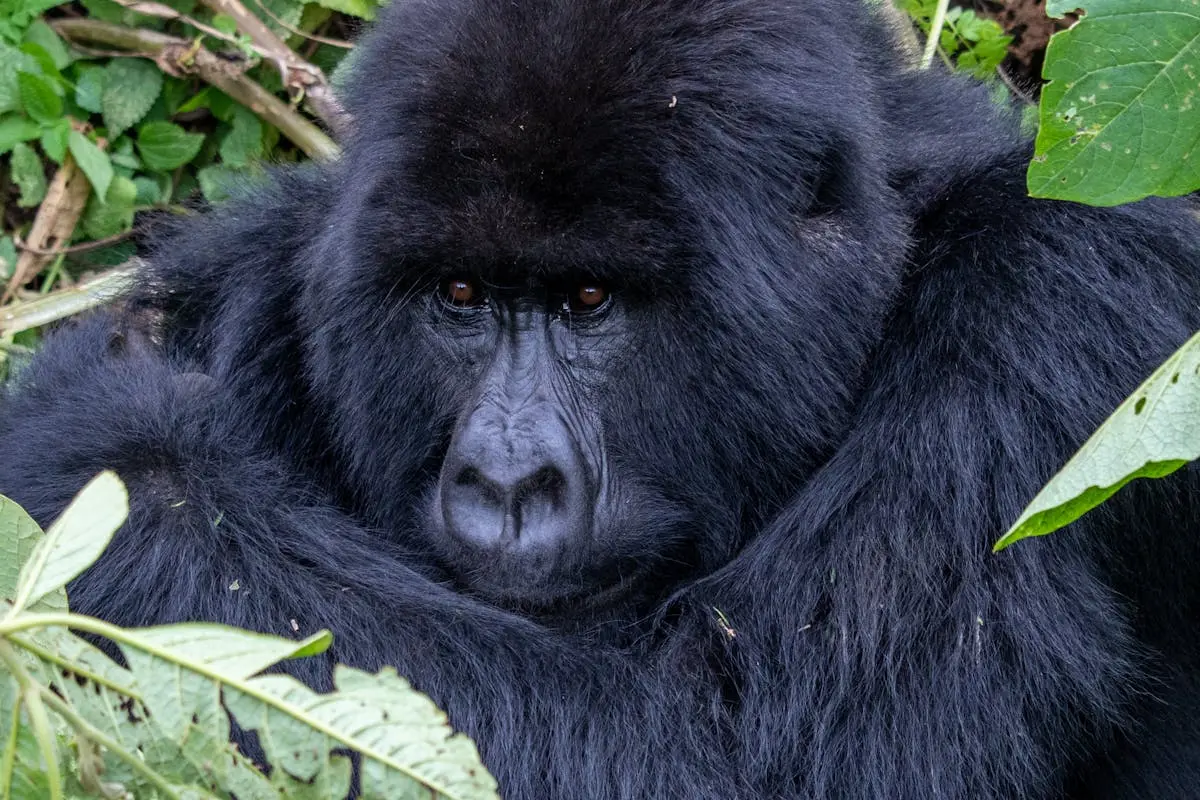
Dive into the world of gorilla trekking and understand what makes this adventure truly unique. Learn about the majestic mountain gorillas and the lush landscapes of Rwanda’s Volcanoes National Park.
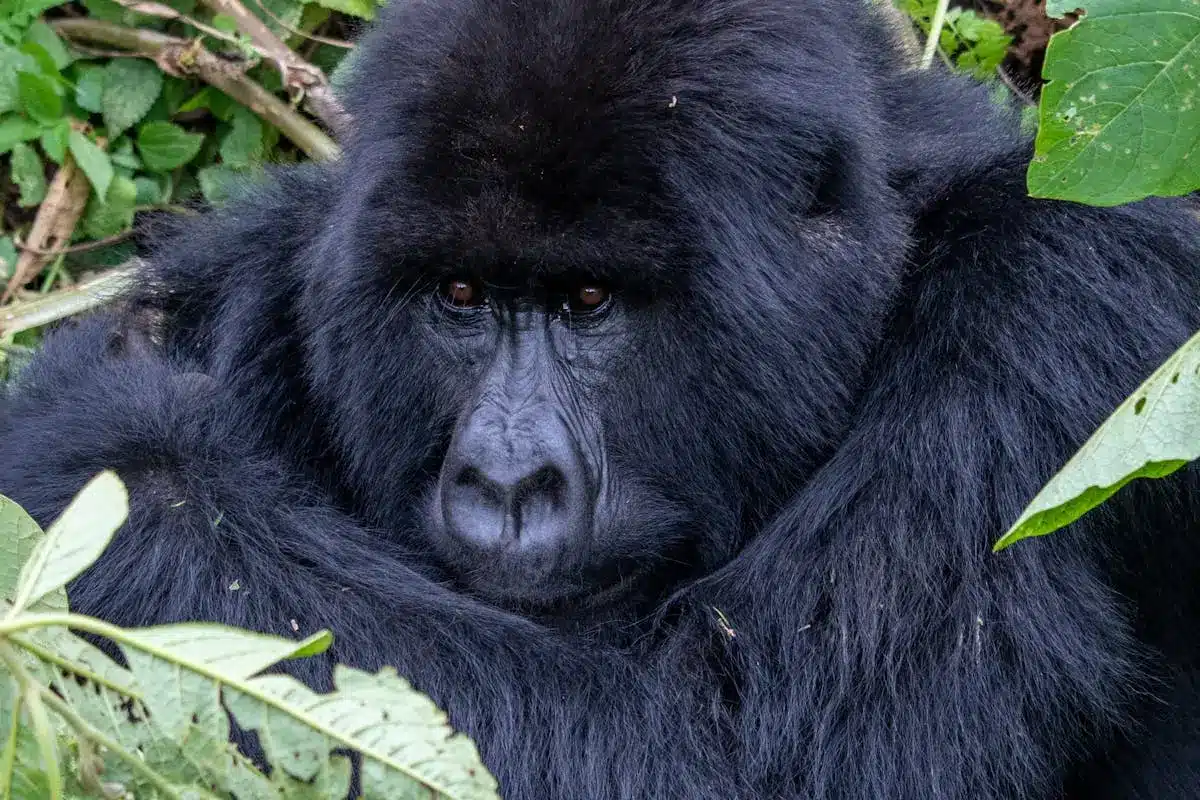
Rwanda’s Volcanoes National Park is renowned for hosting a significant population of the remaining mountain gorillas in the world. The park, with its dense forests and misty landscapes, offers a sanctuary where these primates thrive. Imagine setting foot on a trail that winds through thick bamboo and rainforest vegetation, with the distant sound of a gorilla’s call echoing through the canopy. It’s an encounter that bridges the vast divide between humans and these gentle giants.
What makes gorilla trekking an unparalleled adventure is the intimate experience it offers. Unlike a typical safari, where large distances separate tourists and wildlife, trekking puts you a few meters away from the gorillas. This proximity allows for a closer look into the gorillas’ lives, from their familial interactions to their instinctive behaviors. Each trek is a mesmerizing journey into the simultaneously simple and complex world of these endangered creatures.
When to Go: Best Time for Gorilla Trekking
Discover the ideal seasons for gorilla trekking in Rwanda, taking into account weather and gorilla behavior. Find out how the wet and dry seasons affect your experience and how to plan accordingly.
The optimal time for gorilla trekking in Rwanda is during the dry seasons, which run from December to February and from June to September. During these months, the weather is more predictable, the trails are less muddy, and the gorillas are easier to track. However, each season offers its own unique benefits. For instance, the lush greenery during the wet months from March to May can provide stunning natural backdrops, perfect for photographers looking to capture the vibrant flora alongside these majestic creatures.
Weather isn’t the only consideration when planning your visit. Gorilla behavior also varies throughout the year. During the dry seasons, gorillas often stay in higher elevations, making the trek joyful but challenging. In contrast, the rainy season might see gorillas moving to lower altitudes for food, sometimes making them easier to find, albeit through muddier terrains. Striking a balance between these factors ensures a more tailored and satisfying trekking experience.
What to Pack: Essential Gear and Clothing
Prepare for your trek by knowing what to pack. From clothing and footwear to equipment, this section covers all the essentials to ensure you’re ready for the adventure ahead.
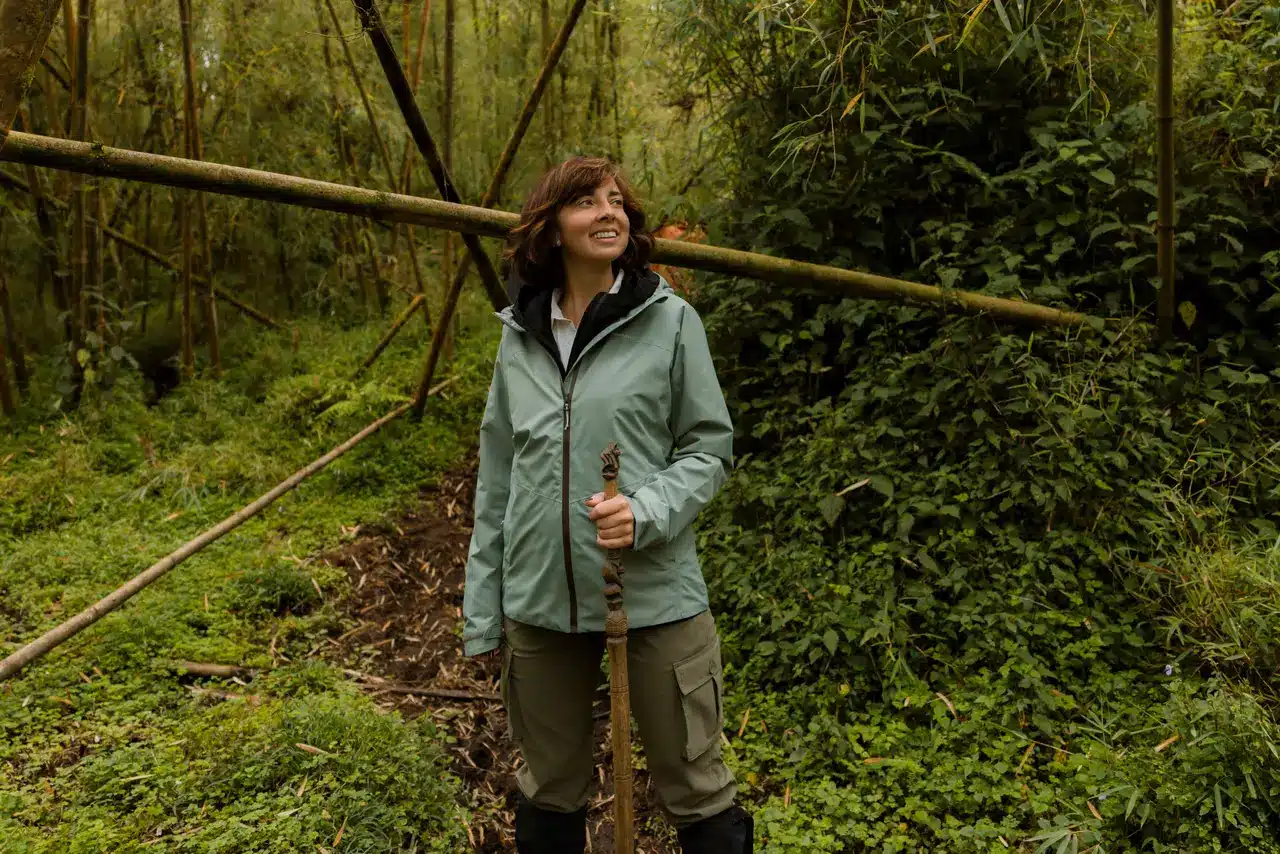
Packing smartly for your gorilla trek can significantly enhance your overall experience. Begin with sturdy hiking boots; the trails of Volcanoes National Park can be slippery and uneven, requiring reliable footwear for safe navigation. Lightweight long-sleeve shirts and trousers not only offer protection against nettles and insect bites but also ensure comfort during the hike. A waterproof jacket and pants are indispensable, as sudden rain showers can occur even during dry months.
Complement your attire with essentials such as a hat and sunglasses for protection against the sun, and a pair of gloves for grasping onto branches during the hike. Pack a small daypack to carry water, snacks, and personal items. A camera with a good zoom lens will allow you to capture the essence of the gorillas without disturbing them. Regardless of your choice of gadgets, remember that the key lies in preparation and respect for the natural environment you’re visiting.
Navigating the Permits: How to Secure Your Spot
Understand the permit system for gorilla trekking in Rwanda. Learn how to obtain your permits, the costs involved, and tips to secure a spot in advance.
Acquiring a permit is the first and most crucial step in planning your gorilla trek. Rwanda issues a limited number of permits daily to ensure minimal disturbance to the gorillas’ natural environment. As demand is high, especially during peak seasons, it’s advisable to book your permit several months in advance. Permits can be secured through the Rwanda Development Board or authorized tour operators who often bundle permits with guided tours for a comprehensive experience.
The cost of a permit in Rwanda currently stands at $1,500 per person. While this may seem steep, the revenue supports conservation efforts and community projects around the park. Additionally, tourists enjoy the advantage of personalized assistance from knowledgeable guides, enhancing the trekking experience. Those seeking affordable alternatives might consider trekking in Uganda or the Congo, where permit prices are different. However, the experience remains uniquely thrilling in Rwanda’s picturesque backdrop.
A Day on the Trek: What to Expect
Get a glimpse of what a day of gorilla trekking looks like. From the early morning start to the awe-inspiring encounters with gorillas, this section outlines the entire trekking experience.
Your day of gorilla trekking begins bright and early. Trekkers convene at the park headquarters around 7 a.m. where they are briefed on safety protocols and the day’s itinerary. The excitement builds as small groups are assigned and guides lead the way into the mist-enshrouded forests. Hikes can range from two to six hours depending on the location of the gorilla families, adding an element of adventure to the journey.
The apex of the trek occurs upon encountering the gorillas. Observing a massive silverback quietly commanding his territory or playful youngsters engaging in mock fights is an awe-inducing sight. These rare moments are governed by strict guidelines: visitors are allowed only an hour with the gorillas to minimize disturbance, while maintaining a safe distance. After such a profound encounter, trekkers often reflect on the gorillas’ close-knit family bonds, impressive strength, and surprisingly gentle nature.
Eco-Friendly Trekking: Respecting the Gorillas’ Habitat
Learn the importance of eco-friendly trekking practices and respecting the gorillas’ natural environment. Discover how you can minimize your impact while enjoying this unique adventure.
Eco-friendly trekking is crucial for preserving the delicate ecosystem of Rwanda’s forests. To minimize your environmental footprint, it’s essential to adhere to the guidelines set by conservation authorities. Avoid creating noise that could disturb wildlife and stick to the designated paths to prevent habitat degradation. Carry out all trash, and refrain from using flash photography to protect the gorillas’ natural behavior and habitat. Such practices not only safeguard the environment but also enhance the natural experience.
Responsible tourism also means investing in the local communities. Many organizations offer opportunities for travelers to contribute towards conservation and community development. By engaging with these programs, trekkers support education, healthcare, and sustainable livelihoods for locals, fostering a harmonious relationship between humans and wildlife. Ensuring that your trek leaves a positive impact on both the environment and community makes the adventure truly worthwhile.
Prepare for Your Wild Encounter
Gorilla trekking in Rwanda is a once-in-a-lifetime experience that offers breathtaking views and unforgettable moments. With proper preparation and respect for the natural habitat, you can ensure a safe and rewarding journey. Start planning today and get ready to meet these magnificent creatures in their own world.

More to explorer
-

Why Sambora Is the Best Choice for Honeymooners
Plan an unforgettable mountain gorillas honeymoon in Sambora with this guide to romantic lodges, trekking experiences, and why couples choose this destination for their post-wedding adventure.
-

Quiet Luxury & Inner Journeys (Less “Travel”, More “Being”)
Discover Rwanda’s serene luxury and embark on a transformative inner journey amidst breathtaking nature. Explore a bucketlist destination for wellbeing and mindfulness.
-

Nature as Relationship, Not Attraction
Explore the deep connection between gorillas, forests, and landscapes in Rwanda. Learn about the intricate relationships that shape these incredible ecosystems.
-

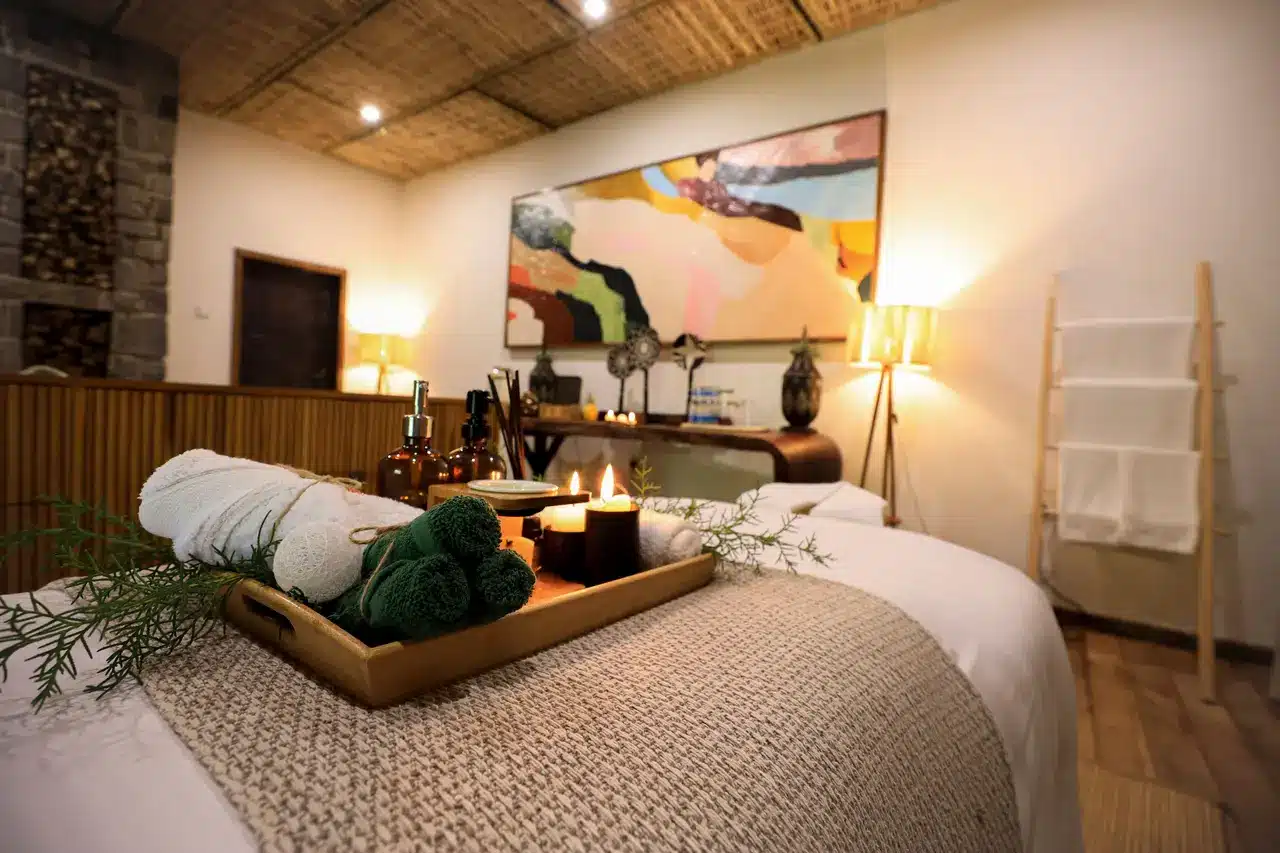
Wellness at Sambora: Spa, Relaxation & Post-Trek Recovery
Journey into the misty forests of Volcanoes National Park, then return to a place of calm, comfort, and restoration. After the powerful experience of encountering mountain gorillas in their natural habitat, Sambora invites you to slow down—allowing body and mind to recover through warmth, stillness, and thoughtful wellness, so the journey lingers long after you…

Leave a Reply